


Stories you may like
14 Key Advantages and Disadvantages of Online Communities
Building an online community has become a powerful strategy for brands, organizations, and individuals aiming to foster engagement, loyalty, and collaboration. With the rise of digital platforms, online communities offer a unique space where people with shared interests, goals, or values can connect regardless of geographic boundaries. However, while the benefits are numerous, there are also challenges and potential drawbacks to consider. Understanding both sides is essential for anyone looking to invest time and resources into creating and maintaining a thriving online community.
What is Building an Online Community
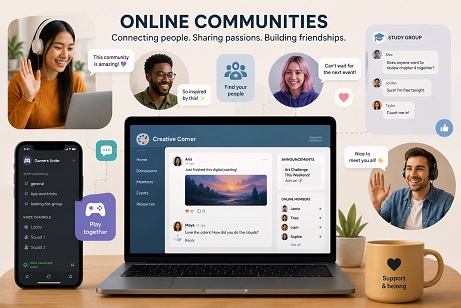
Building an online community refers to the process of creating a digital space where individuals can interact, share information, and support each other around common interests or objectives. This can take various forms, including forums, social media groups, membership sites, or dedicated platforms. The primary goal is to cultivate relationships among members, encourage participation, and provide value through shared experiences or resources.
Online communities are not just about communication; they represent a dynamic ecosystem where members contribute content, provide feedback, and help shape the community’s culture. Successful communities often have moderators or administrators who guide discussions, enforce rules, and ensure the environment remains welcoming and productive.
Advantages of Building an Online Community
1. Enhanced Customer Loyalty and Brand Advocacy
An online community allows brands to build deeper relationships with their customers. When members feel connected to a brand and to each other, their loyalty increases. They become more likely to recommend products or services to others, effectively turning into brand advocates. This organic promotion can be more impactful than traditional advertising.
2. Increased Engagement and Interaction
Communities foster active participation through discussions, polls, and events. This engagement helps keep members interested and invested in the brand or topic. Higher engagement also means more valuable feedback and insights into customer preferences and needs.
3. Cost-Effective Marketing and Support Channel
Building an online community can reduce marketing and customer support costs. Members often help each other by sharing experiences and solutions, which can decrease the volume of direct support requests. Additionally, community-driven content such as testimonials or user-generated content serves as free marketing material.
4. Access to Valuable Insights and Feedback
Community members provide real-time feedback on products, services, or ideas. This direct line of communication can inform product development, improve customer service, and guide strategic decisions. Listening to the community helps brands stay relevant and responsive.
5. Creation of a Knowledge Hub
Online communities often become repositories of valuable knowledge. Members share tips, tutorials, and advice, creating a resource that benefits both new and experienced users. This collective intelligence can enhance the overall experience and reduce learning curves.
6. Building a Sense of Belonging and Support
Communities provide emotional and social support, which is especially important in niche or specialized groups. Members find a sense of belonging that can improve satisfaction and retention. This connection often translates into long-term commitment to the community or brand.
7. Opportunities for Collaboration and Innovation
When members interact and exchange ideas, new collaborations and innovations can emerge. Communities can act as incubators for creativity, with participants co-creating content, products, or solutions that benefit everyone involved.
Disadvantages of Building an Online Community
1. Time-Consuming to Build and Maintain
Creating and nurturing an online community requires significant time and effort. Moderators and administrators must constantly engage with members, manage conflicts, and create fresh content. Without consistent attention, communities can stagnate or decline.
2. Risk of Negative Interactions and Conflict
Online communities are vulnerable to conflicts, trolling, or negative behavior. Poorly managed disputes can damage the community’s atmosphere and drive members away. Maintaining a positive environment demands clear guidelines and active moderation.
3. Potential for Misinformation Spread
Because community content is often user-generated, there is a risk of misinformation or inaccurate advice circulating. This can harm the community’s credibility and potentially lead to dissatisfaction or harm if incorrect information is acted upon.
4. Resource Intensive in Terms of Technology and Staffing
Running a community platform may require investment in technology, software, and human resources. As the community grows, the need for advanced tools and additional moderators increases, which can strain budgets.
5. Difficulty in Measuring ROI
Unlike direct sales or advertising campaigns, the return on investment (ROI) from an online community can be harder to quantify. Benefits like brand loyalty or customer satisfaction are more intangible and long-term, making it challenging to justify ongoing expenses.
6. Privacy and Security Concerns
Handling user data responsibly is critical. Online communities must protect members’ privacy and guard against data breaches. Failure to do so can erode trust and lead to legal issues.
7. Risk of Community Fragmentation
As communities grow, subgroups or factions may form, leading to fragmentation and diluted engagement. Managing this dynamic requires careful community design and ongoing efforts to maintain unity.
The Future of Building an Online Community
The future of online communities is closely tied to advancements in technology and evolving user expectations. Artificial intelligence and machine learning are expected to play increasingly important roles in moderating content, personalizing member experiences, and analyzing community data. Virtual and augmented reality could also create more immersive and engaging environments for community members.
As privacy concerns grow, communities will need to prioritize transparency and data protection to maintain trust. Additionally, hybrid models that combine online and offline interactions may emerge, blending digital convenience with real-world connection.
The emphasis on niche and purpose-driven communities is likely to increase, with members seeking meaningful interactions rather than broad, generic groups. This trend will encourage more thoughtful community design and management to foster authentic engagement.
Conclusion
Building an online community offers numerous advantages, including stronger customer loyalty, increased engagement, cost-effective support, and a collaborative knowledge base. These benefits can significantly enhance brand presence and member satisfaction when managed effectively. However, the process is not without its challenges. Time investment, risk of conflict, misinformation, resource demands, and privacy concerns must be carefully navigated to sustain a healthy community.
Understanding both the advantages and disadvantages is essential for anyone considering building an online community. With thoughtful planning, clear guidelines, and ongoing commitment, the rewards can far outweigh the challenges, resulting in a vibrant, valuable space for connection and growth.











User's Comments
No comments there.