


Stories you may like
Machinist
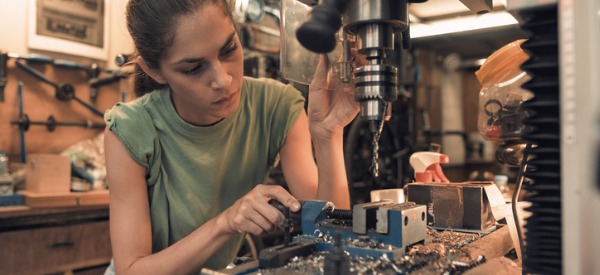
A machinist operates and maintains various types of machines used in manufacturing and production processes. Machinists are highly trained in the field of machining and possess a deep understanding of materials, tools, and machine operations. Their primary role is to set up, program, and operate machine tools, such as lathes, milling machines, grinders, or CNC (Computer Numerical Control) machines, to produce precision components and parts according to specific specifications.
Machinists work with a variety of materials, including metal, plastic, or composite materials, and use their expertise to transform raw materials into finished products. They interpret technical drawings, blueprints, or computer-aided design (CAD) models to determine the machining processes required. Machinists select appropriate tools, cutting speeds, and feeds, and they meticulously monitor the machining process to ensure accuracy and quality. They may also perform routine machine maintenance, such as cleaning, lubrication, and tool replacement, to ensure optimal machine performance.
Machinists play a vital role in the manufacturing industry, producing components used in a wide range of sectors, including automotive, aerospace, electronics, and more.
Duties and Responsibilities
Here are some common responsibilities associated with the role of a machinist:
- Machine Setup and Operation: Machinists are responsible for setting up and operating various machine tools, such as lathes, milling machines, grinders, or CNC machines. They interpret technical drawings or blueprints to understand the required specifications and dimensions of the component or part to be machined. Machinists select the appropriate tools, fixtures, and materials, and configure the machines accordingly.
- Programming and Tooling: In the case of CNC machines, machinists may be responsible for programming the machine using computer software. They create instructions that guide the machine's movements, cutting paths, and tool changes. Machinists also handle the selection, installation, and adjustment of cutting tools, including inserts, drills, and end mills, ensuring the proper tooling is in place for the machining process.
- Precision Machining: Machinists employ their technical expertise and attention to detail to perform precision machining operations. They operate the machines, adjusting cutting speeds, feeds, and depths to achieve the desired dimensions and surface finishes. Machinists closely monitor the machining process, making necessary adjustments and measurements to ensure accuracy and quality.
- Quality Control: Machinists are responsible for inspecting the machined components to verify their accuracy, quality, and adherence to specifications. They use precision measuring instruments, such as calipers, micrometers, or gauges, to perform dimensional checks and ensure the components meet the required tolerances. Machinists may also conduct visual inspections and perform other quality control procedures to identify any defects or deviations.
- Maintenance and Troubleshooting: Machinists often perform routine maintenance tasks on machines, including cleaning, lubrication, and minor repairs. They ensure the machines are in proper working condition and address any issues that may arise during the machining process. Machinists may troubleshoot problems, diagnose machine malfunctions, and make adjustments or seek assistance from maintenance personnel when necessary.
- Safety and Compliance: Machinists prioritize workplace safety and adhere to safety protocols and guidelines. They follow proper safety procedures when operating machines, handling tools, and working with materials. Machinists may wear personal protective equipment (PPE), such as safety glasses, gloves, or ear protection, to mitigate risks associated with machining operations.
- Documentation and Reporting: Machinists maintain accurate records of production activities, including machine settings, tooling information, and quality control data. They may complete production reports, update work orders, or document any issues or deviations encountered during the machining process. Effective documentation helps track productivity, identify trends, and ensure traceability in the manufacturing process.
Types of Machinists
There are several types of machinists, each specializing in different areas of machining and performing specific tasks. Here are some common types of machinists:
- Manual Machinist: Manual machinists operate traditional machine tools, such as lathes, milling machines, drill presses, and grinders, using manual controls. They have expertise in manually adjusting cutting speeds, feeds, and depths to perform precision machining operations. Manual machinists often work with conventional materials and produce custom or low-volume parts.
- CNC Machinist: CNC (Computer Numerical Control) machinists specialize in operating CNC machines, which are automated machines controlled by computer programs. They are skilled in programming, setting up, and operating CNC mills, lathes, or machining centers. CNC machinists use computer software to generate instructions for the machine, allowing for precise and efficient production of complex parts.
- Tool and Die Maker: Tool and die makers specialize in designing, building, and repairing specialized tools, dies, and fixtures used in the manufacturing process. They work with precision measurement instruments and utilize their knowledge of machining techniques to create molds, dies, and cutting tools that meet tight tolerances. Tool and die makers often work in industries such as automotive, aerospace, and metal stamping.
- Production Machinist: Production machinists focus on high-volume manufacturing processes and operate machines within a production line. They are responsible for efficient production runs, machine optimization, and meeting production targets. Production machinists may specialize in specific machine types or work with a variety of machines, depending on the manufacturing environment.
- Maintenance Machinist: Maintenance machinists play a critical role in maintaining and repairing machinery. They are responsible for diagnosing machine malfunctions, conducting repairs, and ensuring the machines are operating at optimal levels. Maintenance machinists possess a strong understanding of machine mechanics and are skilled in troubleshooting and problem-solving.
- Prototype Machinist: Prototype machinists are involved in the development and production of prototypes or one-off parts. They work closely with engineers and designers to interpret drawings or specifications and create prototypes using various machining techniques. Prototype machinists require excellent problem-solving skills and adaptability to work with unique or custom designs.
- Aerospace Machinist: Aerospace machinists specialize in machining components used in the aerospace industry. They work with high-performance materials, such as titanium or composites, and adhere to strict quality standards. Aerospace machinists often work with advanced machining technologies and precision measurement tools to produce critical components for aircraft and spacecraft.
What is the workplace of a Machinist like?
The workplace of a machinist can vary depending on the industry and specific job role. Machinists can be employed in a range of settings, including manufacturing plants, machine shops, aerospace facilities, automotive factories, or even research and development laboratories. Regardless of the work environment, machinists typically work in well-equipped workshops or production floors that are designed to accommodate machining operations.
Machinists often work with a variety of precision machine tools, such as lathes, milling machines, grinders, drill presses, and CNC machines. These tools are used to shape and fabricate metal or other materials according to precise specifications. The workplace is typically equipped with cutting tools, measuring instruments, safety equipment, and computer systems for programming and controlling CNC machines.
The work environment for machinists may involve both standing and sitting for extended periods, as well as lifting heavy materials and operating machinery. Machinists must adhere to strict safety protocols and wear appropriate personal protective equipment to ensure their well-being. The work may involve exposure to noise, dust, and coolant fluids used in machining processes, so machinists need to follow safety guidelines and maintain a clean and organized workspace.
Collaboration is common in the workplace of machinists, especially in larger manufacturing facilities. They may work closely with engineers, designers, and other production staff to interpret technical drawings, discuss machining requirements, and troubleshoot any issues that arise during the manufacturing process. Effective communication and teamwork are essential for machinists to ensure accurate and efficient production of machined parts.
The workplace of a machinist can be dynamic and fast-paced, particularly in industries with high production demands. Machinists may need to meet strict deadlines and work on multiple projects simultaneously. They must possess strong problem-solving skills, attention to detail, and the ability to adapt to changing priorities and demands.
How to become a Machinist
Becoming a machinist typically involves a combination of education, training, and practical experience. Here are the general steps to pursue a career as a machinist:
- Obtain a High School Diploma or Equivalent: A high school diploma or GED is typically the minimum educational requirement to become a machinist. Focus on subjects like mathematics, science, and mechanical technology, as they provide a solid foundation for understanding machining principles and operations.
- Pursue Vocational Training or Apprenticeship: Consider enrolling in a vocational or technical school that offers machine shop technology. These programs provide hands-on training and cover topics such as blueprint reading, precision measurement, machine tool operation, and programming. Alternatively, apprenticeship programs provide a combination of on-the-job training and classroom instruction under the guidance of experienced machinists.
- Gain Practical Experience: Practical experience is crucial in developing machining skills. Look for entry-level positions, internships, or apprenticeships at machining shops or manufacturing companies. This will allow you to apply the knowledge and skills learned in training programs in real-world machining environments.
- Acquire Skills in CNC Machining: Computer Numerical Control (CNC) machining is widely used in the industry. Familiarize yourself with CNC principles, programming, and operation. Training programs or vocational schools often offer specialized courses in CNC technology. Developing proficiency in CNC machining will enhance your employability as a machinist.
- Gain Proficiency in Blueprint Reading and GD&T: Machinists must be able to interpret technical drawings, blueprints, and geometric dimensioning and tolerancing (GD&T) symbols. Familiarize yourself with reading and understanding these documents to accurately produce parts according to specifications.
- Develop Proficiency in Machining Tools and Equipment: Machinists work with a variety of tools and equipment, such as lathes, milling machines, grinders, and measurement instruments. Gain proficiency in operating and maintaining these tools, understanding their functions, and performing routine maintenance tasks.
- Pursue Certification: Although not always mandatory, earning industry-recognized certifications can enhance your credibility and job prospects as a machinist. The National Institute for Metalworking Skills (NIMS) offers various certifications for machinists, including CNC operation, machining skills, and measurement, materials, and safety.
- Continuously Upgrade Skills and Knowledge: Stay updated with the latest advancements in machining technologies and techniques. Attend workshops, seminars, or industry conferences to expand your knowledge and network with professionals in the field. Continuous learning and staying abreast of industry trends will make you a competitive machinist.
- Seek Employment Opportunities: Look for machinist positions in manufacturing companies, machining shops, or industries that require precision machining. Craft a well-written resume that highlights your education, training, and practical experience. Apply for entry-level machinist positions and be prepared for interviews that may include practical machining tests or demonstrations.
Certifications
There are several certifications available for machinists that validate their skills and knowledge in specific areas of machining. These certifications can enhance employability, demonstrate expertise, and provide a competitive edge in the job market.
- National Institute for Metalworking Skills (NIMS) Certifications: NIMS offers a range of certifications for machinists, including CNC machining, manual machining, and measurement, materials, and safety. These certifications cover various levels of proficiency and are highly respected in the machining industry.
- Manufacturing Skill Standards Council (MSSC) Certifications: The MSSC offers the Certified Production Technician (CPT) certification, which includes a machining specialization. This certification validates essential skills in manufacturing processes, including machining operations.
- American Society of Mechanical Engineers (ASME) Certifications: ASME offers several certifications, including the Geometric Dimensioning and Tolerancing Professional (GDTP) certification. This certification demonstrates proficiency in interpreting and applying GD&T principles, which are crucial in machining and manufacturing.
- Society of Manufacturing Engineers (SME) Certifications: SME offers various certifications, such as the Certified Manufacturing Technologist (CMfgT) and the Certified Manufacturing Engineer (CMfgE). While these certifications are not specific to machinists, they encompass broader knowledge and skills in manufacturing processes, which can be beneficial for machinists working in diverse roles.
- American Welding Society (AWS) Certifications: While not exclusive to machining, AWS certifications such as Certified Welding Inspector (CWI) or Certified Welding Supervisor (CWS) can be valuable for machinists working in industries where welding and fabrication are integral to the manufacturing process.
- Machine Tool Technology Certifications: Some technical schools or vocational institutions offer certifications specific to machine tool technology. These certifications validate competency in machine tool operation, programming, and maintenance.










User's Comments
No comments there.