


Stories you may like
Wellhead Pumper
A wellhead pumper works in the oil and gas industry. The primary responsibility of a wellhead pumper is to operate and maintain oil and gas wells at the surface level, ensuring that production continues safely and efficiently. This includes monitoring production rates, pressure, and fluid levels, performing routine maintenance and repairs, and troubleshooting any issues that may arise.
Wellhead pumpers work both independently and as part of a team, and are responsible for ensuring that their work meets safety and environmental regulations while maximizing production output. Their role is critical to the success of the oil and gas industry as they help to maintain a steady flow of oil and gas from the wells to processing and distribution facilities.
Wellhead pumpers play an important role in maintaining the productivity and safety of oil and gas wells. Their expertise and attention to detail are essential in ensuring the efficient extraction of resources and the adherence to safety protocols. They often work independently or as part of a small team, requiring a combination of technical knowledge, problem-solving skills, and the ability to work in physically demanding and sometimes challenging environments.
Duties and Responsibilities
The duties and responsibilities of a wellhead pumper can vary depending on the specific job requirements and the company they work for. However, here are some common duties and responsibilities associated with the role:
- Well Monitoring: Wellhead pumpers are responsible for monitoring the production levels and parameters of oil and gas wells. This includes regularly checking wellhead equipment, such as valves, pumps, and pressure gauges, to ensure proper functioning and optimal production.
- Fluid Flow Control: Wellhead pumpers control the flow of oil, gas, and other fluids from the wellhead by adjusting valves, pumps, and separators. They maintain production within designated limits and make necessary adjustments to optimize flow rates and pressure.
- Equipment Maintenance: Pumpers perform routine inspections and basic maintenance tasks on wellhead equipment. This may involve replacing faulty components, lubricating moving parts, and ensuring equipment is clean and in good working condition. They may also report any equipment malfunctions or issues to maintenance or engineering teams.
- Data Recording and Reporting: Wellhead pumpers maintain accurate records of production data, including fluid volumes, pressures, temperatures, and any operational issues. They may prepare reports and submit them to supervisors, engineers, or regulatory agencies.
- Safety Compliance: Ensuring safety protocols and regulations are followed is a crucial responsibility of wellhead pumpers. They are responsible for identifying and addressing potential safety hazards, participating in safety meetings and trainings, and promptly reporting any incidents or unsafe conditions.
- Environmental Compliance: Pumpers are mindful of environmental regulations and guidelines. They take steps to prevent spills, leaks, or other environmental incidents, and report any concerns or incidents to the appropriate authorities.
- Communication and Collaboration: Wellhead pumpers often work in coordination with other team members, such as production engineers, maintenance personnel, or supervisors. Effective communication and collaboration are essential for sharing important information, coordinating activities, and resolving issues efficiently.
- Emergency Response: In the event of an emergency, such as a well blowout or equipment failure, wellhead pumpers are trained to respond appropriately. They follow emergency protocols, take necessary safety precautions, and work with emergency response teams to mitigate risks and protect personnel and the environment.
Types of Wellhead Pumpers
There are different types of wellhead pumpers based on their specific roles and responsibilities within the oil and gas industry. Here are a few common types:
- Lease Pumpers: Lease pumpers, also known as production pumpers, are responsible for operating and maintaining the equipment at individual well sites. They monitor production levels, control the flow of oil and gas, perform routine maintenance, and ensure the safe and efficient operation of the wells.
- Remote Pumpers: Remote pumpers oversee multiple well sites from a centralized control room or facility. They use remote monitoring systems and technology to observe well conditions, adjust production rates, and troubleshoot any issues. Their role is crucial for optimizing production across multiple wells.
- Offshore Pumpers: Offshore pumpers work on oil and gas platforms located in offshore or deep-water environments. They are responsible for monitoring wellhead operations, controlling production, and ensuring the safety of personnel and equipment in challenging offshore conditions.
- Supervisory Pumpers: Supervisory pumpers, also known as lead pumpers or foremen, oversee a team of wellhead pumpers. They provide guidance, training, and supervision to ensure proper operations, compliance with safety protocols, and efficient production across multiple wells.
- Well Testing Pumpers: Well testing pumpers specialize in conducting tests to evaluate the flow rates, pressures, and reservoir characteristics of newly drilled or existing wells. They collect data, analyze test results, and provide valuable information for reservoir engineering and production optimization.
- HSE Pumpers: Health, Safety, and Environment (HSE) pumpers focus on ensuring compliance with health, safety, and environmental regulations at well sites. They conduct safety inspections, provide safety training, monitor environmental impact, and implement measures to mitigate risks and promote safe practices.
What is the workplace of a Wellhead Pumper like?
The workplace of a wellhead pumper can vary depending on the location of the oil and gas wells and the specific operations they are involved in. Here are some key aspects of the wellhead pumper's workplace:
Field Operations: Wellhead pumpers spend a significant amount of time working in the field at well sites. These sites can be located in various environments, including onshore and offshore locations, remote areas, deserts, forests, or even urban areas. The workplace often involves being outdoors, exposed to the elements and weather conditions.
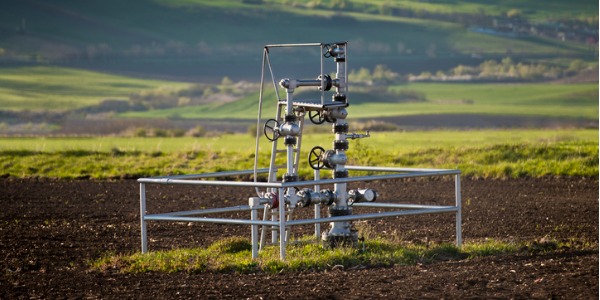
Wellhead Facilities: Wellhead pumpers typically operate and maintain the equipment located at the wellhead facilities. This includes pumps, valves, separators, meters, and other production-related equipment. They may also be responsible for maintaining storage tanks, monitoring equipment, and safety devices.
Oil and Gas Platforms: In offshore operations, wellhead pumpers may work on oil and gas platforms located in offshore or deep-water environments. These platforms can be fixed structures or floating vessels. They are equipped with wellheads, production facilities, and accommodation for personnel. Working on offshore platforms involves specific safety protocols and may require spending extended periods away from shore.
Control Rooms and Offices: Depending on the scale and complexity of the operation, wellhead pumpers may also work in control rooms or offices. These spaces serve as centralized monitoring centers, where pumpers use technology and remote monitoring systems to observe well conditions, control production, and analyze data.
Travel and Commute: Wellhead pumpers often travel between different well sites, especially if they are responsible for multiple locations. This may involve commuting to remote areas or relocating to temporary housing near the well sites. Travel and commuting can be a significant part of the work routine for pumpers.
Safety Considerations: Safety is a paramount concern in the workplace of a wellhead pumper. They must adhere to strict safety protocols and regulations to protect themselves, colleagues, and the environment. This includes using personal protective equipment, conducting safety inspections, and actively participating in safety meetings and training sessions.
How to become a Wellhead Pumper
To become a wellhead pumper, you can follow these general steps:
- Obtain a High School Diploma or Equivalent: A high school diploma or equivalent is typically the minimum educational requirement for becoming a wellhead pumper. Ensure you have a solid foundation in mathematics, science, and mechanical skills.
- Gain Relevant Experience: Look for entry-level positions or apprenticeships in the oil and gas industry. This can include working as a lease operator, production assistant, or field technician. This experience will help you understand the operations and equipment involved in wellhead pumping.
- Acquire Technical Knowledge: Familiarize yourself with wellhead operations, production equipment, safety procedures, and environmental regulations. You can gain this knowledge through on-the-job training, vocational courses, or specialized training programs offered by industry associations or community colleges.
- Obtain Required Certifications: Some employers may require specific certifications for wellhead pumpers, such as certifications in well control or HSE (Health, Safety, and Environment). Research industry-recognized certifications and consider obtaining them to enhance your employability.
- Develop Mechanical and Technical Skills: Wellhead pumpers need to have a strong understanding of mechanical systems and equipment. Gain hands-on experience and develop skills in equipment maintenance, troubleshooting, and basic repairs.
- Focus on Safety: Safety is paramount in the oil and gas industry. Take safety training courses, such as H2S (hydrogen sulfide) awareness and first aid, and familiarize yourself with industry safety standards and protocols.
- Networking and Job Search: Build connections within the industry by networking with professionals, attending industry events, and joining relevant associations. Utilize job search platforms, industry-specific job boards, and contact local oil and gas companies to explore job opportunities.
- Apply for Entry-Level Positions: Look for entry-level wellhead pumper positions or similar roles in oil and gas companies or service providers. Tailor your resume to highlight relevant experience, certifications, and technical skills. Be prepared for interviews that may assess your knowledge of wellhead operations and safety protocols.
Helpful Resources
Here are some helpful resources for wellhead pumpers:
- American Petroleum Institute (API): The API is a national trade association representing the oil and gas industry. They provide industry standards, publications, and training resources relevant to wellhead operations. Visit their website at https://www.api.org/ to access their resources.
- Occupational Safety and Health Administration (OSHA): OSHA is a federal agency that sets and enforces workplace safety standards. Their website provides information and resources on safety regulations, guidelines, and training materials that are applicable to the oil and gas industry. Visit their website at https://www.osha.gov/ to access these resources.
- Well Control Certification Programs: Well control certification programs, such as those offered by the International Association of Drilling Contractors (IADC) or the Well Control Institute (WCI), provide training and certifications specific to well control operations. These programs enhance your knowledge and skills in preventing and managing well control incidents. Search for "well control certification programs" to find suitable options.
- Local Community Colleges and Vocational Schools: Many community colleges and vocational schools offer training programs or courses in oil and gas operations, including wellhead pumping. These programs provide hands-on training and theoretical knowledge that can be valuable for aspiring wellhead pumpers. Research local educational institutions to find programs in your area.
- Industry Associations and Trade Shows: Joining industry associations, such as the Independent Petroleum Association of America (IPAA) or local oil and gas associations, can provide networking opportunities, access to industry events, and resources specific to wellhead operations. Attending trade shows and conferences related to oil and gas can also help you stay updated on industry trends and connect with professionals in the field.









User's Comments
No comments there.