


Stories you may like
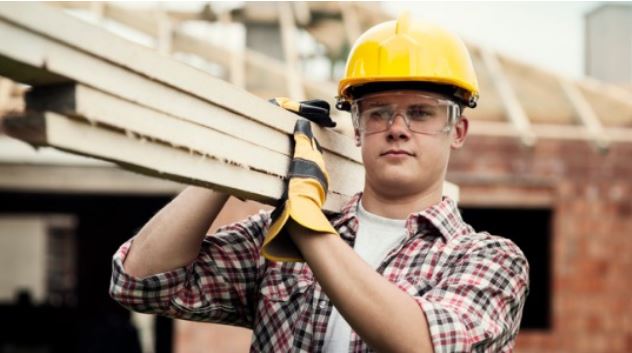
Construction Worker
Construction workers are involved in the physical construction of buildings, infrastructure, and other structures. They work in various construction projects, such as residential, commercial, industrial, and civil engineering projects. Construction workers are responsible for a wide range of tasks, including laying foundations, erecting structural frameworks, installing electrical and plumbing systems, and applying finishes like paint or tiles. They use a variety of tools, machinery, and equipment, such as hammers, saws, drills, cranes, and welding machines, to perform their work efficiently and safely.
Construction workers often work as part of a team under the supervision of a construction manager or site supervisor. They typically collaborate with architects, engineers, and other professionals involved in the construction project to ensure that the work is carried out according to specifications and building codes. Construction sites can be challenging and physically demanding environments, requiring workers to be physically fit and capable of handling heavy materials and equipment.
Construction workers are skilled individuals who contribute to the creation and maintenance of buildings and structures. Their role encompasses a wide range of tasks, and their expertise and hard work are essential for the successful completion of construction projects while ensuring safety and quality standards are met.
Duties and Responsibilities
The duties and responsibilities of a construction worker can vary depending on the specific job and project requirements. Here are some common tasks and responsibilities associated with the role:
- Physical Labor: Construction workers are involved in various physically demanding tasks, such as lifting heavy materials, digging trenches, operating machinery, and carrying out manual labor as needed on the construction site.
- Material Handling: They are responsible for transporting and organizing construction materials, tools, and equipment. This includes loading and unloading materials, distributing them to different areas of the site, and ensuring they are stored safely.
- Construction Site Preparation: Construction workers may be involved in site preparation activities, such as clearing debris, setting up temporary structures, and creating access points for equipment and vehicles.
- Equipment Operation: Depending on their skill level and training, construction workers may operate machinery and equipment such as forklifts, cranes, excavators, and power tools. They need to follow safety protocols and ensure the proper use and maintenance of the equipment.
- Construction Tasks: Construction workers perform a wide range of construction tasks, including building foundations, walls, and roofs; installing plumbing and electrical systems; pouring and finishing concrete; assembling and installing structural components; and applying finishes such as paint or siding.
- Safety and Compliance: Construction workers are responsible for following safety protocols and regulations to maintain a safe working environment. This includes wearing personal protective equipment, using proper lifting techniques, and reporting any safety hazards or incidents to supervisors.
- Collaboration: Construction workers often work as part of a team, collaborating with other tradespeople, contractors, and supervisors to ensure smooth project execution. They may need to communicate and coordinate tasks, follow instructions, and contribute to the overall project goals.
- Quality Control: Construction workers are expected to maintain high standards of workmanship and adhere to project specifications. They may need to inspect and assess the quality of work, make adjustments or repairs as necessary, and report any issues or deficiencies to supervisors.
Workplace of a Construction Worker
The workplace of a construction worker is primarily centered around construction sites, where the actual building or renovation work takes place. These sites can range from residential areas to commercial buildings, industrial sites, or large-scale infrastructure projects. Construction workers are often found in bustling, active environments, where various construction activities are taking place simultaneously. They work alongside fellow construction workers, tradespeople, contractors, supervisors, and project managers, creating a collaborative and team-oriented work environment.
One notable aspect of a construction worker's workplace is its outdoor nature. Construction projects frequently involve working in open spaces, exposed to the elements. Regardless of the weather conditions, construction workers are expected to perform their tasks efficiently and safely. They may experience extreme temperatures, rain, wind, or even challenging terrain depending on the project location. This requires them to adapt to different weather conditions and be equipped with appropriate clothing and protective gear to ensure their safety and well-being.
The workplace of a construction worker can be physically demanding. They engage in various tasks that require manual labor, heavy lifting, and prolonged periods of standing, bending, or working in awkward positions. Whether it's carrying construction materials, operating heavy machinery, or performing intricate tasks, construction workers need to have good physical fitness, stamina, and the ability to handle the demands of the job effectively.
Construction sites are often bustling with activity and can be noisy environments. Heavy machinery, power tools, and equipment are frequently in operation, generating loud noises that can contribute to a high-stress work environment. Additionally, construction workers may encounter potential hazards associated with their work, such as working at heights, exposure to dust and debris, and potential contact with hazardous substances. Therefore, it is crucial for construction workers to adhere to safety protocols, wear appropriate personal protective equipment (PPE), and remain vigilant to minimize risks and ensure a safe working environment.
Furthermore, the workplace of a construction worker can involve varying work locations. Construction projects can span different sites, especially for those working for larger construction companies or contractors. Construction workers may need to commute between different project locations, leading to a change in work environment and surroundings. This flexibility in work locations requires adaptability and the ability to adjust to new project sites, team dynamics, and construction challenges.
How to become a Construction Worker
To become a construction worker, there are several steps you can take to start your career in the construction industry. Here is a general outline of the process:
- Obtain a High School Diploma or GED: A high school diploma or equivalent is typically required to work as a construction worker. If you haven't completed high school, consider earning a General Education Development (GED) certificate.
- Gain Construction Skills and Knowledge: While formal education is not always mandatory, acquiring relevant skills and knowledge is important. Consider taking vocational courses or enrolling in trade schools that offer construction-related programs. These can provide training in areas such as carpentry, plumbing, electrical technology, or general construction practices.
- Seek Apprenticeship Programs: Apprenticeships provide hands-on training and learning opportunities. Look for apprenticeship programs offered by construction companies, trade unions, or industry associations. These programs combine on-the-job training with classroom instruction and can last from a few months to several years. Apprenticeships are a great way to gain practical skills and establish connections in the industry.
- Obtain Certifications and Licenses: Some construction trades require specific certifications or licenses to work legally. For example, electricians and plumbers often need to obtain state-issued licenses. Research the requirements for your desired trade and obtain the necessary certifications or licenses.
- Gain Work Experience: Building a strong work history and gaining practical experience are essential for career advancement in the construction industry. Look for entry-level positions or opportunities to work as a laborer or assistant on construction sites. This will allow you to learn from experienced professionals and gain hands-on experience in the field.
- Build a Network: Networking is crucial in the construction industry. Attend industry events, join trade organizations, and connect with professionals in your desired field. Building a network can lead to job opportunities, mentorship, and valuable industry connections.
- Maintain Safety Certifications: Safety is a top priority in the construction industry. Obtain relevant safety certifications, such as Occupational Safety and Health Administration (OSHA) certifications, which demonstrate your commitment to workplace safety.
- Continuous Learning and Professional Development: Stay updated with the latest industry trends, technologies, and building codes. Seek opportunities for ongoing training and professional development to enhance your skills and knowledge.
- Consider Specialization: As you gain experience, you may choose to specialize in a specific construction trade or area of expertise. This can open up more advanced job opportunities and potentially lead to higher wages.
Skills Needed for a Construction Worker
Construction workers require a combination of physical abilities, technical knowledge, and workplace safety skills to complete projects efficiently and safely.
- Physical Strength and Stamina – Ability to perform physically demanding tasks, lift heavy materials, and work for long hours.
- Knowledge of Construction Tools – Proficiency in using hand tools, power tools, and construction equipment.
- Blueprint Reading – Basic understanding of construction drawings and building plans.
- Mathematical Skills – Measuring, calculating dimensions, and estimating materials accurately.
- Attention to Detail – Ensuring work meets quality standards and project specifications.
- Safety Awareness – Understanding workplace safety regulations and proper use of personal protective equipment (PPE).
- Problem-Solving Skills – Identifying and resolving issues that arise during construction projects.
- Teamwork – Collaborating effectively with supervisors, engineers, and other tradespeople.
- Communication Skills – Following instructions clearly and communicating with team members.
- Time Management – Completing tasks efficiently to meet project deadlines.
- Adaptability – Adjusting to changing work environments, weather conditions, and project requirements.
- Equipment Operation – Ability to safely operate construction machinery and equipment (when trained and certified).
- Manual Dexterity – Performing precise tasks with tools and construction materials.
- Knowledge of Building Materials – Understanding the proper use of concrete, wood, steel, brick, and other materials.
- Work Ethic and Reliability – Being dependable, punctual, and committed to producing quality work.
Additional Valuable Skills
- Basic Carpentry
- Concrete Mixing and Finishing
- Excavation and Site Preparation
- Scaffolding and Ladder Safety
- First Aid and Emergency Response
- Welding (basic)
- Electrical and Plumbing Basics
- Heavy Equipment Operation
- Risk Assessment
- Quality Control
Construction Worker Salary
The salary of a Construction Worker varies based on experience, specialization, location, and the type of construction project.
- Entry-Level: $35,000–$45,000 per year
- Mid-Level: $45,000–$60,000 per year
- Experienced/Senior: $60,000–$80,000+ per year
Construction workers with specialized skills—such as operating heavy machinery, welding, or working in high-demand sectors like commercial construction, infrastructure, or oil and gas—can earn more than $90,000 per year, especially with overtime or union employment.
In addition to base salary, many employers offer benefits such as health insurance, retirement plans, paid leave, overtime pay, and opportunities for apprenticeships and career advancement.










User's Comments
No comments there.