


Stories you may like
Recording Engineer
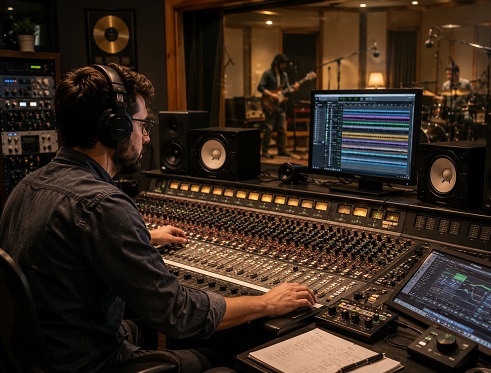
A recording engineer specializes in capturing and shaping sound during music, film, or broadcast production. They use advanced recording equipment and software to ensure that audio is recorded at the highest possible quality. Working behind the scenes, they help artists, producers, and performers bring their creative ideas to life by translating performances into clean, well-balanced recordings.
Recording engineers typically work in professional studios but may also work on location for live performances, film shoots, or broadcasts. Their work environment blends technology with creativity, allowing them to play a vital role in the production process. Through their technical expertise and attention to detail, recording engineers help create the clear, immersive sound that defines professional music and media.
Duties and Responsibilities
Recording engineers play a vital role in both the artistic and technical sides of music and audio production, ensuring that final recordings meet professional standards and fulfill the creative goals of artists and producers. Their duties and responsibilities include:
- Setup and Operation: Determine the best microphone placement to capture the desired sound characteristics, considering the instruments, vocalists, and acoustic space. Operate recording equipment such as mixing consoles, preamplifiers, and digital audio workstations (DAWs) to produce high-quality recordings.
- Collaboration with Artists and Producers: Work closely with musicians, vocalists, and producers to understand their creative vision and technical needs. Translate artistic direction into technical choices, such as microphone selection, sound levels, and effects processing, to achieve the desired sound.
- Sound Quality and Technical Expertise: Apply engineering techniques to capture clean, balanced, and high-quality audio. Monitor tone, dynamics, and spatial depth while troubleshooting any issues that arise during recording sessions.
- Mixing and Editing: Balance individual tracks, apply equalization, dynamics processing, and effects, and create cohesive final mixes. Perform editing tasks like comping, timing correction, and audio cleanup as needed.
- Equipment Maintenance: Maintain and calibrate recording equipment to ensure consistent performance and prevent technical issues.
- Stay Updated on Technology: Keep up with new recording technologies, tools, and industry trends to continually improve workflow and results.
- Project Management: Manage multiple recording projects at once, coordinate studio schedules, and ensure all necessary resources are ready for each session.
- Adherence to Budget and Timelines: Work efficiently within budget constraints, ensuring cost-effective use of resources and timely delivery of completed recordings.
- Collaboration with Audio Post-Production: Partner with post-production teams for mixing, mastering, and preparing recordings for release.
- Adaptability and Flexibility: Work across a variety of genres and styles, adjusting techniques to suit the unique needs of each project.
Types of Recording Engineers
There are several types of recording engineers, each with a specific focus and set of responsibilities. Here are some of the most common types of recording engineers and what they do:
- Audio Engineer: Responsible for capturing audio performances, ensuring balanced and processed signals during recording.
- Mixing Engineer: Combines separate recorded tracks to create the final stereo mix, adjusting levels, panning, and EQ for a well-balanced sound.
- Mastering Engineer: Optimizes the final mix for consistency across different playback systems, applying various audio processing techniques.
- Digital Remastering Engineer: Specializes in restoring and enhancing older audio recordings using digital signal processing techniques.
- Live Sound Engineer: Sets up and operates sound systems for live performances, ensuring proper balance and delivery to the audience.
- Broadcast Engineer: Records and transmits live or pre-recorded audio for television, radio, or other media, ensuring proper balance and mixing.
- Game Audio Engineer: Focuses on creating and implementing audio elements for video games to enhance the gaming experience.
Workplace of a Recording Engineer
A recording engineer usually works in a studio environment, which can range from a small home setup to a large professional recording studio. Studios are equipped with microphones, mixing consoles, computers, and digital audio workstations (DAWs) to record and edit sound. The environment is designed to control acoustics, minimize outside noise, and provide a comfortable space for artists to perform. Some engineers also work on location for live concerts, outdoor recordings, or film and TV projects, where they bring portable recording equipment to capture high-quality audio.
The workplace is a mix of technical and creative activity. Recording engineers spend time adjusting levels, positioning microphones, and setting up equipment to get the best sound. They collaborate closely with artists, producers, and other team members to achieve the desired sound for each project. While much of their work is behind the scenes, it requires careful listening, attention to detail, and quick problem-solving to handle any technical issues that arise during recording sessions.
Recording engineers often work irregular hours, especially if recording live performances or working on tight production schedules. The work can be quiet and focused during editing and mixing sessions, or busy and energetic during live or multi-track recording.
How to become a Recording Engineer
Becoming a recording engineer involves a combination of education, practical experience, networking, and ongoing skill development. Here are the general steps to pursue a career as a recording engineer:
- Educational Background: Consider enrolling in a program that focuses on audio engineering, sound engineering, or a related field.
- Internships and Entry-Level Positions: Gain practical experience by working in recording studios, radio stations, or live sound environments. Internships provide valuable exposure to real-world recording scenarios and help build a professional network.
- Build a Portfolio: Document your recording projects, showcasing your skills and versatility. Include a variety of genres and styles to demonstrate your ability to work with different artists and musical contexts.
- Specialize if Desired: Depending on your interests, you may choose to specialize in specific genres, such as music production, post-production for film and television, or game audio.
- Advanced Education (Optional): While not always necessary, obtaining a master's degree or further education in audio engineering can provide additional expertise and open doors to advanced roles or teaching positions.
- Professional Memberships: Become a member of industry associations like the Audio Engineering Society (AES) or the Society of Professional Audio Recording Services (SPARS) to access resources and network with professionals.
- Build a Professional Reputation: Deliver high-quality work, meet deadlines, and build positive relationships with clients and collaborators. Word-of-mouth recommendations are often crucial in the industry.
- Freelance or Studio Employment: Decide whether you want to work in a recording studio, as a freelance recording engineer, or a combination of both. Each path offers unique opportunities and challenges.
Certifications
There are some certifications and educational programs that can enhance a recording engineer's skills and marketability. Here are a few options:
- Avid Pro Tools Certification: Avid offers certification programs for their Pro Tools software, which is widely used in the audio recording and production industry. Achieving certification demonstrates proficiency with this industry-standard digital audio workstation.
- Institute of Audio Research (IAR) Certification: The Institute of Audio Research in New York City offers educational programs in audio engineering and music production. Completing their programs may provide a certification that is recognized in North America.
- Berklee Online Music Production Certificate: Berklee College of Music offers online courses in music production. Completing their certificate program provides formal training and recognition from a well-known music school.
- Recording Connection Audio Engineering Certification: The Recording Connection offers an externship-based audio engineering program, providing hands-on experience in a real recording studio. Successful completion results in a certificate that validates practical skills.
- SAE Institute Audio Technology Program: SAE Institute offers programs in audio technology and recording. While these programs result in a diploma or degree-level qualification rather than a traditional certification, they are respected in the industry.
- AES (Audio Engineering Society) Membership: While not a certification, becoming a member of AES provides access to resources, networking opportunities, workshops, and industry events, all of which contribute to professional development.
Skills Needed for a Recording Engineer
- Audio Recording Techniques – Expertise in recording vocals, instruments, and live performances with high-quality sound.
- Sound Engineering Knowledge – Understanding acoustics, signal flow, audio frequencies, and sound dynamics.
- Microphone Techniques – Selecting and positioning microphones for different instruments, voices, and recording environments.
- Digital Audio Workstations (DAWs) – Proficiency in software such as Pro Tools, Logic Pro, Cubase, Ableton Live, or Reaper.
- Mixing Skills – Balancing audio levels, equalization (EQ), compression, reverb, delay, and other audio effects.
- Editing Skills – Cleaning, arranging, and enhancing recordings while maintaining audio quality.
- Mastering Basics – Preparing final recordings for commercial release across various playback platforms.
- Knowledge of Audio Equipment – Operating mixing consoles, audio interfaces, preamps, studio monitors, and outboard gear.
- Critical Listening – Identifying subtle audio imperfections and making precise improvements.
- Attention to Detail – Ensuring recordings are technically accurate and free of unwanted noise or distortion.
- Problem-Solving Skills – Quickly resolving technical issues during recording sessions.
- Computer Skills – Managing recording software, plugins, file organization, and digital workflows.
- Communication Skills – Collaborating effectively with artists, producers, musicians, and directors.
- Time Management – Handling multiple recording sessions and meeting production deadlines.
- Creativity – Using audio techniques to enhance the artistic vision of a project.
- Teamwork – Working closely with producers, composers, performers, and post-production teams.
- Adaptability – Adjusting to different music genres, recording environments, and evolving audio technologies.
- Knowledge of Music Production – Understanding musical structure, rhythm, and performance to support high-quality recordings.
- Organization Skills – Maintaining session files, backups, equipment, and project documentation efficiently.
- Continuous Learning – Keeping up with new recording technologies, audio plugins, and industry best practices.
Salary
The salary of a Recording Engineer varies depending on experience, industry, location, employer, and whether they work full-time or freelance.
Average Annual Salary
- Entry-Level: $35,000–$50,000 per year
- Mid-Level: $50,000–$75,000 per year
- Experienced: $75,000–$110,000+ per year
Average Hourly Wage
- $18–$55 per hour, depending on experience, project type, and employer.
Factors That Affect Salary
- Years of experience
- Technical expertise in recording, mixing, and mastering
- Proficiency with Digital Audio Workstations (DAWs) such as Pro Tools, Logic Pro, or Ableton Live
- Industry (music, film, television, gaming, podcasting, or broadcasting)
- Employer (recording studio, media company, production house, or freelance)
- Geographic location
- Reputation and portfolio
- Certifications and specialized audio engineering training
Recording Engineers working with major recording studios, film and television productions, or internationally recognized artists can earn well over $110,000 per year, especially if they have extensive experience and a strong professional reputation.










User's Comments
No comments there.