


Stories you may like
Camera Operator
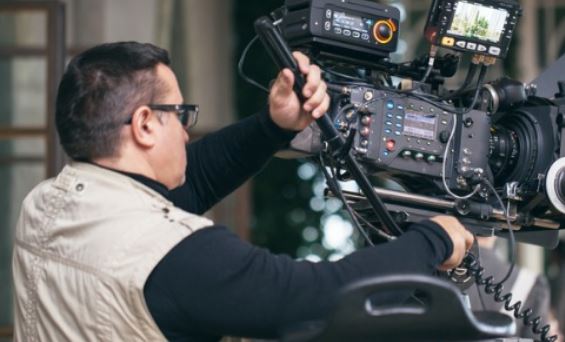
A camera operator is responsible for operating a camera during film, television, or video production. They work closely with directors, cinematographers, and other members of the production team to capture the desired shots and angles for a particular scene. Camera operators are well-versed in various camera types and equipment, including digital cameras, film cameras, and specialized rigs such as cranes or stabilizers.
The role of a camera operator involves executing precise camera movements, such as panning, tilting, tracking, or zooming, to achieve the desired visual composition. They must have a keen eye for detail and an understanding of camera techniques to effectively convey the director's vision. Camera operators also collaborate with the cinematographer to ensure proper lighting and camera settings are maintained for each shot. Additionally, they may be responsible for setting up and adjusting camera equipment, troubleshooting technical issues, and capturing high-quality footage that meets production standards.
A camera operator plays an important role in capturing dynamic visuals that enhance the storytelling and visual aesthetics of a production. Their technical expertise and creative choices significantly contribute to the overall visual impact of films, TV shows, documentaries, music videos, and other visual media.
Duties and Responsibilities
Camera operators have a range of duties and responsibilities that contribute to the successful capture of visual content in film, television, or video production. These include:
- Operating Cameras: Camera operators are responsible for operating the camera equipment, including digital cameras, film cameras, and specialized rigs. They handle tasks such as framing shots, adjusting focus, controlling exposure, and managing camera movements (panning, tilting, tracking, zooming) to achieve the desired composition and visual effect.
- Collaborating with the Director and Cinematographer: Camera operators work closely with the director and cinematographer to understand their creative vision for each scene. They discuss shot requirements, camera angles, and movements, ensuring that the visual style and storytelling goals are met. They offer suggestions based on their technical expertise to enhance the visual impact of the shots.
- Maintaining Shot Continuity: Camera operators play a crucial role in maintaining shot continuity throughout a production. They ensure that the camera movements and framing match from one shot to another, creating a seamless visual flow and consistent storytelling. This requires careful attention to detail and coordination with the director and other crew members.
- Operating Camera Support Equipment: In addition to cameras, camera operators may be responsible for operating various camera support equipment. This includes cranes, dollies, steadicams, or camera stabilizers, which enable smooth and dynamic camera movements. They must have the technical knowledge to set up and operate these equipment effectively.
- Monitoring Technical Considerations: Camera operators monitor technical aspects of the camera equipment during shoots. They check and adjust camera settings, such as exposure, white balance, and frame rate, to ensure optimal image quality. They may also address any technical issues or malfunctions that arise and work closely with the camera department to troubleshoot and resolve them.
- Adhering to Safety Procedures: Camera operators must follow safety protocols to ensure the well-being of the cast, crew, and themselves. This includes securing camera equipment properly, using safety harnesses when working at heights, and maintaining a safe distance from potentially hazardous situations on set.
- Equipment Maintenance and Organization: Camera operators are often responsible for the maintenance and organization of camera equipment. They ensure that cameras, lenses, and related accessories are clean, functioning correctly, and properly stored. This includes keeping track of inventory, managing battery charging, and arranging for repairs or replacements as needed.
- Communication and Collaboration: Camera operators need strong communication and collaboration skills to work effectively with other crew members. They coordinate with camera assistants, grips, and other departments to ensure smooth camera movements and efficient workflow. They also communicate with the director and cinematographer during rehearsals and shoots to align their vision and make adjustments as necessary.
Types of Camera Operators
There are several types of camera operators, each specializing in specific areas of film, television, or video production. Here are some of the key types of camera operators and their respective roles:
- Cinematographer / Director of Photography (DP): While cinematographers are primarily responsible for the overall visual aesthetic of a production, they often operate the camera themselves or work closely with camera operators. They have extensive knowledge of cameras, lenses, lighting techniques, and composition. Cinematographers collaborate with the director to translate the creative vision into visual storytelling by selecting appropriate camera angles, movements, and lighting setups.
- Videographer: A videographer is essentially a camera operator with a broader skill set. While a cameraman/camera operator might focus primarily on capturing footage, a videographer often takes on a more comprehensive role in video production. A videographer is involved not only in operating the camera but also in planning shots, setting up lighting, capturing audio, and editing the final product.
- Studio Camera Operator: Studio camera operators work in controlled studio environments, such as television studios or sound stages. They operate studio cameras, which are typically mounted on pedestals or robotic systems. Studio camera operators follow the instructions of the director and camera supervisor to capture shots of studio-based shows, interviews, news broadcasts, or live events.
- Steadicam Operator: Steadicam operators specialize in using a specialized camera stabilizer system called a Steadicam. This allows them to achieve smooth and fluid camera movements while walking, running, or even climbing stairs. Steadicam operators work closely with the director and cinematographer to capture dynamic shots that require the camera to move with the action.
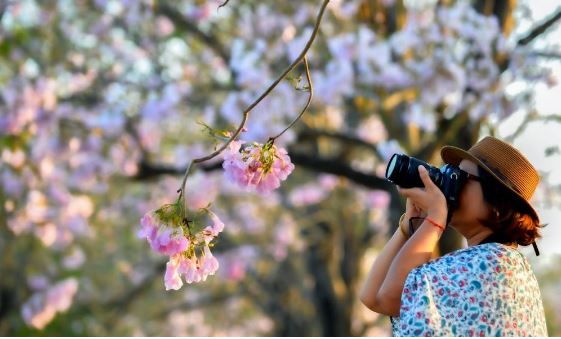
- Handheld Camera Operator: Handheld camera operators are skilled at operating handheld cameras, which provide a sense of realism, spontaneity, and mobility to the shots. They have a steady hand and are capable of capturing shots in various environments, including documentaries, reality TV shows, and live events. Handheld camera operators often work closely with the director or cinematographer to achieve the desired visual style.
- Drone Operator: With the increasing use of aerial footage in film and video production, drone operators have become essential. They operate unmanned aerial vehicles (UAVs) equipped with cameras to capture aerial shots and establish a sense of scale and grandeur. Drone operators must have a good understanding of flight regulations, safety protocols, and camera operation to capture stunning aerial footage.
- Specialized Camera Operator: Some productions require specialized camera operators for specific tasks. For example, an underwater camera operator specializes in capturing footage underwater using waterproof camera housings or specialized underwater camera systems. Time-lapse camera operators focus on capturing long-duration shots that show the passage of time, while 360-degree camera operators work with cameras capable of capturing immersive panoramic footage.
Workplace of a Camera Operator
The workplace of a camera operator can vary depending on the nature of the production. Camera operators can find themselves working in a wide range of environments, from controlled studio settings to outdoor locations.
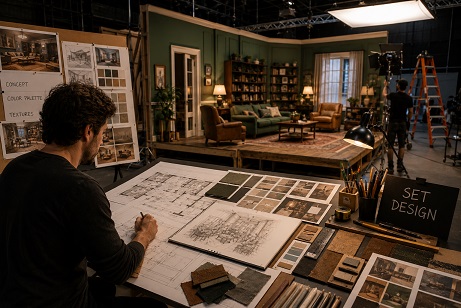
In a studio setting, camera operators work within a well-equipped studio or sound stage. They operate cameras mounted on pedestals or robotic systems, capturing shots for television shows, news broadcasts, or live events. The studio environment is controlled, with dedicated lighting setups and often multiple cameras in operation. Camera operators collaborate closely with directors, producers, and other crew members to ensure the desired shots are captured effectively.
On the other hand, camera operators working on location may find themselves in diverse settings, such as city streets, natural landscapes, or interior spaces. These environments can present unique challenges and require adaptability. Camera operators may need to work with portable equipment, such as handheld cameras or Steadicams, to capture shots in dynamic or challenging conditions. They must consider factors like lighting conditions, weather conditions, and the logistics of moving equipment around the location.
Additionally, camera operators may work in specialized settings based on the production requirements. For example, underwater camera operators work underwater, capturing footage for documentaries or films. Drone operators work in outdoor locations, piloting unmanned aerial vehicles to capture aerial shots. These specialized environments often require specific knowledge, equipment, and safety considerations.
Regardless of the setting, camera operators work as part of a larger production team, collaborating closely with directors, cinematographers, and other crew members. They communicate effectively, follow instructions, and maintain a high level of attention to detail. The workplace of a camera operator can be fast-paced, requiring them to adapt quickly to changing circumstances and make creative decisions on the spot to capture the desired shots.
How to become a Camera Operator
To become a camera operator, several steps can help you acquire the necessary skills and opportunities to pursue a career in this field. Here is a detailed outline of the process:
- Gain a Solid Understanding of Cameras and Equipment: Start by familiarizing yourself with different types of cameras, lenses, and related equipment used in film and video production. Study their features, functionalities, and how they contribute to visual storytelling. Learn about camera settings, exposure, focus, and composition techniques.
- Obtain Relevant Education and Training: While formal education is not always required, it can provide valuable knowledge and help you build a strong foundation in cinematography. Consider pursuing a degree or certificate program in film and photographic technology, film production, cinema studies or a related field. Look for programs that offer hands-on training, workshops, and opportunities to work with professional-grade equipment.
- Gain Practical Experience: Practical experience is crucial in becoming a camera operator. Seek opportunities to work on student films, independent productions, or local community projects. Offer to assist established camera operators or cinematographers to learn from their expertise. Build a portfolio showcasing your work and highlight your roles as a camera operator.
- Learn Camera Operating Techniques: Study different camera operating techniques such as panning, tilting, tracking, and handheld operation. Understand how camera movements contribute to visual storytelling and convey emotions or perspectives. Practice these techniques with various camera systems to develop your skills.
- Network within the Industry: Attend industry events, film festivals, and workshops to meet professionals working in the field. Networking can help you establish connections and open doors to potential job opportunities or mentorship. Join professional organizations such as the Society of Camera Operators (SOC) or local filmmaking groups to expand your network further.
- Assist Camera Operators and Cinematographers: Look for opportunities to work as a camera assistant or camera intern. Assisting experienced camera operators and cinematographers allows you to gain hands-on experience on professional sets, learn industry protocols, and refine your technical skills.
- Build a Reputable Portfolio: Continually work on projects that showcase your camera operating skills. Collaborate with other filmmakers, directors, or actors to create visually compelling content. Include a variety of shots, different lighting conditions, and demonstrate your ability to adapt to diverse genres and styles.
- Stay Updated with Technological Advancements: Keep abreast of the latest developments in camera technology, including advancements in digital cameras, accessories, and post-production workflows. Stay informed about industry trends, new camera systems, and emerging techniques to stay competitive and relevant in the field.
- Seek Job Opportunities: Apply for camera operator positions with production companies, television studios, independent filmmakers, or broadcasting networks. Look for entry-level positions or freelance gigs to gain more experience and build your reputation. Consider joining unions or guilds relevant to camera operators, such as the International Cinematographers Guild (ICG), to access job opportunities and benefits.
- Continuously Improve and Learn: Never stop learning and honing your skills. Seek feedback from industry professionals, learn from your experiences, and be open to constructive criticism. Stay curious, experiment with different camera techniques, and continue expanding your knowledge of cinematography and visual storytelling.
Organizations
There are several professional organizations and guilds in the United States that cater to camera operators and cinematographers. These organizations provide networking opportunities, resources, industry advocacy, and professional development for camera operators.
- Society of Camera Operators (SOC): The Society of Camera Operators is an internationally recognized organization dedicated to advancing the art and creative contributions of camera operators. It offers membership to camera operators, camera assistants, and related professionals. SOC provides educational programs, workshops, networking events, and recognition through its annual SOC Awards.
- International Cinematographers Guild (ICG): The International Cinematographers Guild, also known as Local 600, represents camera operators, directors of photography, camera assistants, and other camera department personnel. It offers various benefits to its members, including job opportunities, health and retirement benefits, training programs, and industry advocacy.
- American Society of Cinematographers (ASC): Although primarily focused on cinematographers, the American Society of Cinematographers also welcomes camera operators as members. ASC is an esteemed organization that promotes the art and craft of cinematography. It provides educational resources, hosts events, and publishes the renowned American Cinematographer magazine.
- Digital Cinema Society (DCS): The Digital Cinema Society is a nonprofit educational cooperative that serves the motion picture industry. It offers a platform for professionals to discuss and explore the latest advancements in digital cinematography and production technology. DCS organizes events, produces informative content, and fosters networking opportunities.
- Women in Film & Video (WIFV): Women in Film & Video is an organization dedicated to advancing the professional development and opportunities for women in the film, television, and video industries. It offers networking events, educational programs, mentorship opportunities, and advocacy initiatives for women camera operators and other industry professionals.
- Camera Guild: Camera Guild is a professional association for camera operators and camera assistants. It provides a platform for networking, information sharing, and professional development. Camera Guild hosts events, workshops, and screenings, and offers resources for its members.
Online Resources
There are several online resources available for camera operators that provide valuable information, tutorials, industry news, and community support. Here are some notable online resources:
- No Film School: No Film School is an online platform that offers a wide range of resources for filmmakers, including camera operators. It features articles, tutorials, and videos covering various aspects of filmmaking, camera techniques, equipment reviews, and industry news. The site also provides forums for community discussion and networking.
- Cinematography Database: Cinematography Database is a comprehensive resource dedicated to cinematography and camera operation. It offers tutorials, breakdowns of iconic shots, equipment reviews, and in-depth analysis of cinematography techniques. The site provides valuable insights and inspiration for camera operators looking to enhance their skills.
- RED Digital Cinema: The RED Digital Cinema website is a valuable resource for camera operators, especially those working with RED cameras. It offers extensive documentation, tutorials, and support materials specific to RED cameras, including firmware updates, software downloads, and workflow guides.
- Online Communities and Forums: Joining online communities and forums can provide opportunities for networking, learning, and exchanging ideas with fellow camera operators. Websites like Cinematography.com, REDuser.net, and Creative Cow host discussion forums where camera operators can connect, ask questions, share experiences, and seek advice.
- YouTube Channels: Several YouTube channels are dedicated to camera operation, cinematography tutorials, and gear reviews. Channels such as Film Riot, The Film Look, D4Darious, and DSLR Video Shooter offer a wealth of video content covering camera techniques, equipment demonstrations, and tips for camera operators.
Skills needed for Camera Operator
A Camera Operator is responsible for capturing high-quality video footage for films, television shows, news broadcasts, documentaries, live events, advertisements, and online content. They work closely with directors, producers, and cinematographers to achieve the desired visual style and ensure every shot is framed, focused, and recorded effectively.
Hard Skills
- Camera Operation – Proficiency in operating professional video cameras, DSLRs, mirrorless cameras, and cinema cameras.
- Shot Composition – Understanding framing, angles, rule of thirds, and visual storytelling techniques.
- Camera Movement – Skill in using tripods, dollies, cranes, sliders, handheld rigs, gimbals, and Steadicams.
- Focus Control – Maintaining sharp focus while subjects move during filming.
- Lighting Knowledge – Understanding natural and artificial lighting to achieve the desired visual effect.
- Lens Selection – Choosing the appropriate lenses based on shot requirements and creative vision.
- Exposure Settings – Adjusting ISO, aperture, shutter speed, and white balance for optimal image quality.
- Audio Awareness – Basic knowledge of microphones and audio recording to ensure synchronized, high-quality sound.
- Equipment Maintenance – Cleaning, storing, and troubleshooting cameras and accessories.
- Video Formats & Codecs – Familiarity with recording formats, resolutions, frame rates, and codecs.
- Drone Camera Operation (Optional) – Ability to operate camera drones for aerial videography (with certification where required).
- Live Broadcast Operations – Experience with multi-camera setups for television and live event coverage.
- Editing Basics – Basic knowledge of video editing software such as Adobe Premiere Pro, Final Cut Pro, or DaVinci Resolve.
- Safety Procedures – Understanding safe equipment handling and on-set safety protocols.
Soft Skills
- Attention to Detail – Ensuring every shot is properly framed, focused, and exposed.
- Creativity – Finding visually compelling ways to tell stories through camera work.
- Communication Skills – Collaborating effectively with directors, cinematographers, actors, and crew members.
- Teamwork – Working efficiently in fast-paced production environments.
- Time Management – Completing shoots according to production schedules.
- Problem-Solving – Quickly adapting to changing lighting, weather, or technical challenges.
- Physical Stamina – Carrying heavy camera equipment and working long hours, often outdoors.
- Adaptability – Adjusting to different shooting environments, locations, and production styles.
- Patience – Waiting for the perfect moment while maintaining concentration.
- Decision-Making – Making quick technical adjustments during live events or fast-moving shoots.
- Stress Management – Remaining calm under tight deadlines and high-pressure situations.
- Professionalism – Maintaining reliability, punctuality, and ethical conduct on set.
- Continuous Learning – Keeping up with new camera technologies, filmmaking techniques, and industry trends.
Mastering these technical and interpersonal skills enables a Camera Operator to produce visually engaging, professional-quality footage across a wide range of media productions.
Camera Operator Salary
The salary of a Camera Operator varies depending on experience, industry, location, and whether they work as a full-time employee or freelancer.
India
- Entry-Level (0–2 years): ₹2.5 lakh–₹4.5 lakh per year
- Mid-Level (3–7 years): ₹4.5 lakh–₹8 lakh per year
- Experienced (8+ years): ₹8 lakh–₹15 lakh+ per year
- Freelance Camera Operators: ₹3,000–₹25,000+ per day, depending on the project, equipment used, and expertise.
International (Approximate Annual Salary)
- United States: USD 45,000–85,000
- Canada: CAD 45,000–80,000
- United Kingdom: GBP 25,000–45,000
- Australia: AUD 60,000–95,000
- United Arab Emirates (UAE): AED 60,000–120,000
Factors That Influence Salary
- Years of experience
- Type of employer (film production, television, news, sports, advertising, corporate media, or digital content)
- Technical expertise with professional cameras, drones, and specialized equipment
- Freelance vs. full-time employment
- Geographic location
- Reputation and portfolio
- Certifications and specialized training
Experienced Camera Operators working on feature films, major television productions, sports broadcasts, or high-end commercial projects can earn significantly more than the average salary, especially if they possess advanced technical skills and a strong professional network.








User's Comments
No comments there.