


Stories you may like
Animal Caretaker
An animal caretaker is responsible for the well-being and daily care of animals. Animal caretakers work in various settings, such as animal shelters, veterinary clinics, zoos, aquariums, research facilities, and farms. Their primary duty is to ensure the health, safety, and proper care of the animals under their supervision.
Animal caretakers perform a range of tasks, including feeding and providing water to animals, cleaning and maintaining their living spaces, observing their behavior and health, administering medications as directed by veterinarians, and assisting with grooming and basic veterinary procedures. They may also be involved in exercise and enrichment activities, socializing animals, and providing training or behavioral support. Animal caretakers play a crucial role in maintaining the overall welfare and quality of life for the animals they care for, and their dedication is essential for creating a safe and healthy environment for the animals.
Animal caretakers play an important role in the welfare and well-being of animals in various settings. They provide the necessary care, attention, and support to ensure that animals are healthy, comfortable, and safe. By providing socialization, animal caretakers contribute to the mental and emotional well-being of animals. Their dedication and expertise are essential in promoting responsible animal care, preventing cruelty, and fostering a compassionate and respectful relationship between humans and animals.
Duties and Responsibilities
Some of the duties and responsibilities of animal caretakers include:
- Feeding and Watering: Animal caretakers are responsible for providing appropriate and balanced diets to animals under their care. They ensure that animals receive their meals on time and in the correct portions. Caretakers also ensure that clean and fresh water is readily available for the animals.
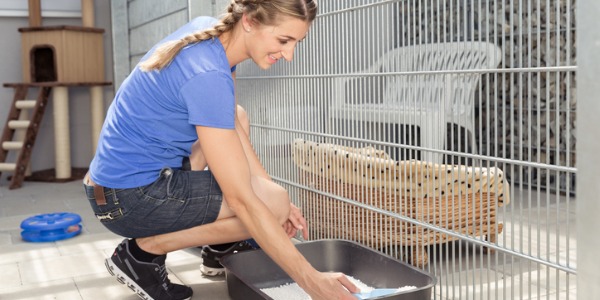
- Cleaning and Sanitizing: Animal caretakers clean and sanitize animal enclosures, cages, and living areas to maintain a clean and healthy environment. This includes removing waste, soiled bedding, and debris. They follow proper sanitation protocols to prevent the spread of diseases and maintain hygiene standards.
- Monitoring Health and Behavior: Animal caretakers closely observe animals to monitor their health and behavior. They report any signs of illness, injury, or abnormal behavior to veterinarians or supervisors. Caretakers may also assist with basic health checks, such as checking for signs of parasites, administering medications, or providing first aid.
- Exercise and Enrichment: Animal caretakers provide animals with appropriate exercise opportunities and engage them in enrichment activities to promote physical and mental well-being. This may include walking dogs, providing toys or puzzles, or creating environmental enrichment for animals in captivity.
- Animal Handling: Animal caretakers are skilled in safely handling animals, considering factors such as species-specific behaviors, temperament, and size. They may need to restrain animals for procedures, transport them safely, or assist with training and socialization.
- Record-Keeping: Animal caretakers maintain accurate records of animal care and observations. They document feeding schedules, medical treatments, behavior logs, and any other relevant information. This helps in tracking the health, behavior, and progress of animals over time.
- Assisting with Adoptions or Placements: In shelters or rescue organizations, animal caretakers may be involved in the process of finding suitable homes for animals. They may provide information to potential adopters, conduct meet-and-greet sessions, and assist in the adoption process.
- Education and Public Outreach: Some animal caretakers engage in educational programs and public outreach to promote responsible pet ownership, animal welfare, and conservation. They may interact with visitors, provide information, and participate in educational events or demonstrations.
Types of Animal Caretakers
Animal caretakers encompass various specialized roles depending on the specific setting and the type of animals they work with. Here are some types of animal caretakers and their responsibilities:
- Shelter Caretakers: Shelter caretakers work in animal shelters and rescue organizations. They provide basic care to animals, including feeding, cleaning, and ensuring their comfort. Shelter caretakers also assist with behavior assessments, socialization, and coordinating adoptions or fostering.
- Zookeepers: Zookeepers work in zoos and wildlife parks, caring for a wide range of animals. They are responsible for feeding, cleaning enclosures, monitoring health, and providing enrichment activities. Zookeepers may also assist with training, behavioral management, and educational presentations for visitors.
- Wildlife Rehabilitators: Wildlife rehabilitators work in wildlife rehabilitation centers, caring for injured or orphaned wildlife. They provide appropriate diets, medical treatments, and rehabilitation exercises to prepare the animals for release back into the wild.
- Veterinary Assistants: Veterinary assistants work in veterinary clinics or animal hospitals. They support veterinarians by restraining animals during examinations or procedures, administering medications, and assisting with diagnostic tests. Veterinary assistants also provide post-operative care and educate pet owners on basic animal care.
- Farm Animal Caretakers: Farm animal caretakers work on farms or ranches, caring for livestock such as cows, pigs, sheep, and poultry. They provide food, water, and shelter to the animals, monitor their health, and assist with breeding, birthing, and general husbandry tasks.
- Aquarium Caretakers: Aquarium caretakers work in aquariums or marine facilities, taking care of marine animals such as fish, turtles, and marine mammals. They maintain the aquarium environment, monitor water quality, and feed the animals. Aquarium caretakers may also assist with training, habitat enrichment, and public education.
- Research Animal Caretakers: Research animal caretakers work in laboratories or research facilities where animals are used for scientific studies. They provide specialized care to ensure the well-being of research animals, following strict protocols for feeding, housing, and monitoring their health. Research animal caretakers also maintain accurate records and assist with research procedures as directed by scientists.
What is the workplace of an Animal Caretaker like?
The workplace of an animal caretaker can vary depending on the specific role and setting in which they work. Animal caretakers can be found in various environments, including animal shelters, zoos, wildlife rehabilitation centers, veterinary clinics, farms, research facilities, and even private households.
In animal shelters, caretakers often work in kennels or cattery areas, where they provide care and attention to animals awaiting adoption. They clean the living spaces, provide food and water, administer medications if needed, and engage in socialization activities to ensure the animals' well-being.
In zoos and wildlife parks, caretakers work outdoors and indoors, tending to the needs of a wide range of animals. They clean enclosures, prepare and distribute specialized diets, provide enrichment activities, and monitor the animals' behavior and health. Caretakers in these settings also assist with training sessions and may interact with visitors to educate them about the animals.
Wildlife rehabilitation centers typically have dedicated spaces where caretakers provide care for injured, sick, or orphaned wildlife. Caretakers may work in designated areas equipped with enclosures, incubators, and medical facilities to provide the necessary care, treatments, and rehabilitation for the animals under their care.
In veterinary clinics, animal caretakers work alongside veterinarians and veterinary technicians, assisting in handling animals, providing basic care, and ensuring a clean and safe environment. They may also help with restraining animals during examinations or procedures and provide post-operative care.
On farms, animal caretakers work outdoors and in barns or stables, tending to livestock animals. They provide feed, water, and bedding, monitor health, assist with breeding and birthing, and may be involved in general husbandry tasks such as milking, shearing, or hoof care.
How to become an Animal Caretaker
Becoming an animal caretaker typically requires a combination of education, experience, and a genuine passion for working with animals. Here are the general steps to pursue a career as an animal caretaker:
- Gain relevant education: While a formal education is not always required, obtaining a high school diploma or equivalent is essential. Consider pursuing coursework or a degree in animal sciences, biology, zoology, veterinary technology, or a related field. This education provides a foundational understanding of animal behavior, care, and health.
- Volunteer or intern: Gain hands-on experience by volunteering or interning at animal shelters, wildlife rehabilitation centers, zoos, or farms. These opportunities allow you to work closely with animals, observe their care, and develop essential skills such as handling, feeding, and cleaning. Networking with professionals in the field can also provide valuable connections and potential job opportunities.
- Obtain relevant certifications: Depending on the specific area of animal care you wish to pursue, certain certifications or training programs may be beneficial. For example, certifications in pet CPR and first aid, wildlife rehabilitation, or specific animal behavior training can enhance your qualifications and increase your marketability.
- Seek employment opportunities: Start by searching for entry-level positions in animal shelters, pet stores, kennels, or farms. These positions may include roles such as kennel assistant, animal care attendant, or farmhand. This allows you to gain practical experience, develop essential skills, and demonstrate your dedication to animal care.
- Continuously learn and grow: Stay updated on the latest advancements and best practices in animal care by attending workshops, conferences, and seminars. Pursue continuing education opportunities in animal behavior, nutrition, or specialized care for specific animal species. This ongoing learning helps you expand your knowledge and expertise in the field.
- Consider further education or specialization: If you aspire to advance your career in animal care, you may choose to pursue higher education, such as a bachelor's or associate degree in animal science or a related field. Specializing in a specific area, such as wildlife rehabilitation, exotic animal care, or veterinary technology, can open doors to more specialized positions.
Certifications
While certifications for animal caretakers may vary depending on the specific field or area of expertise, there are several certifications that can enhance your qualifications and demonstrate your commitment to professional development.
- Certified Animal Caretaker (CAC): Offered by the American Association for Laboratory Animal Science (AALAS), this certification is designed for individuals working in laboratory animal care. It demonstrates proficiency in the care, handling, and husbandry of laboratory animals.
- Certified Pet Care Technician (CPCT): Offered by the Pet Care Services Association (PCSA), this certification is aimed at individuals working in pet care facilities such as boarding kennels, pet daycare centers, and grooming salons. It covers topics such as animal handling, health, sanitation, and customer service.
- Certified Wildlife Rehabilitator (CWR): This certification is provided by various wildlife rehabilitation organizations and demonstrates competence in the care and rehabilitation of injured, sick, or orphaned wildlife. It typically requires a combination of experience, training, and passing a certification exam.
- Professional Animal Care Certification (PACC): Offered by the Professional Animal Care Certification Council (PACCC), this certification is for individuals working in professional pet care services. It covers topics such as animal handling, health, safety, and facility management.
- Animal Behavior Certification: There are several certifications available for individuals interested in specializing in animal behavior. The Animal Behavior Society (ABS) offers the Certified Applied Animal Behaviorist (CAAB) and Associate Certified Applied Animal Behaviorist (ACAAB) certifications. These certifications demonstrate knowledge and competence in understanding and modifying animal behavior.
- Equine Care and Management Certifications: For individuals working with horses, there are certifications available in equine care and management. The Certified Horsemanship Association (CHA) offers certifications in areas such as stable management, riding instruction, and equine health and welfare.











User's Comments
No comments there.