


Stories you may like
Audio Engineer
An audio engineer is responsible for recording, mixing, and mastering sound for a variety of media productions, including music albums, films, television shows, video games, and live events. These professionals work closely with artists, producers, directors, and other creative individuals to achieve the desired sonic quality and artistic vision for a project. They use a combination of technical expertise, creative flair, and specialized equipment to capture and manipulate sound elements, ensuring clarity, balance, and acoustic cohesion.
Audio engineers may specialize in various aspects of sound production, such as recording, editing, sound design, or live sound reinforcement. They may work in recording studios, post-production facilities, broadcasting companies, concert venues, or freelance settings, depending on their area of expertise and career goals. A career as an audio engineer offers opportunities for creativity, technical innovation, and collaboration across a wide range of industries, contributing to the immersive and engaging audio experiences enjoyed by audiences worldwide.
Duties and Responsibilities
The duties and responsibilities of an audio engineer encompass a wide range of tasks related to recording, mixing, and mastering sound for various media productions. Some key responsibilities include:
- Recording: Audio engineers are responsible for setting up and operating recording equipment to capture high-quality sound recordings. This may involve working in recording studios, live concert venues, or on-location settings to record music albums, film dialogue, voiceovers, or sound effects.
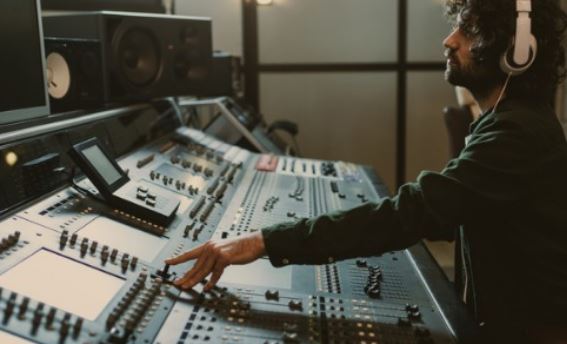
- Mixing: Audio engineers mix multiple sound elements together to create a balanced and cohesive audio mix. They adjust volume levels, apply equalization, add effects, and manipulate sound dynamics to achieve the desired sonic quality and artistic vision for a project.
- Editing: Audio engineers edit and manipulate recorded audio files to remove imperfections, enhance clarity, and ensure seamless transitions between different sound elements. This may involve tasks such as cutting, splicing, time-aligning, and pitch-correcting audio recordings.
- Sound Design: In certain contexts, audio engineers are responsible for creating and manipulating sound effects to enhance the overall auditory experience of a production. This may involve recording or synthesizing custom sound effects, as well as layering, processing, and spatializing sound elements to create immersive audio environments.
- Live Sound Reinforcement: Audio engineers may work in live concert settings or other live events to set up and operate sound reinforcement systems. They are responsible for ensuring clear and balanced sound for performers and audience members, as well as managing sound levels and addressing any technical issues that arise during the event.
- Equipment Maintenance: Audio engineers are responsible for maintaining and troubleshooting audio equipment to ensure optimal performance. This may involve routine maintenance tasks such as cleaning, calibration, and equipment repairs, as well as staying abreast of advancements in audio technology and industry best practices.
Workplace of an Audio Engineer
The workplace of an audio engineer can vary depending on their specific role and the industry in which they work. Many audio engineers are employed by recording studios, which can range from large commercial facilities to smaller independent studios. These studios typically feature well-equipped recording rooms, control rooms, and mixing suites outfitted with state-of-the-art audio equipment and software.
In addition to recording studios, audio engineers may also work in post-production facilities, where they edit and mix audio for films, television shows, commercials, and other multimedia projects. These facilities often feature specialized editing suites and sound design studios equipped with advanced audio editing software and surround sound systems.
Furthermore, audio engineers may find employment in live sound reinforcement, working in concert venues, theaters, or event production companies. In these settings, they are responsible for setting up and operating sound systems during live performances, ensuring clear and balanced sound for both performers and audience members.
How to become an Audio Engineer
Becoming an audio engineer involves a combination of education, hands-on experience, and networking within the industry. Here's a general guide:
- Choose a Specialization: Determine the specific area of audio engineering you're interested in, such as studio recording, live sound, post-production for film and television, or sound design.
- Earn a Relevant Degree or Certification: Pursue formal education in sound engineering, broadcast technology or a related field. Alternatively, you can consider vocational programs or certification courses offered by reputable institutions.
- Build Technical Skills: Develop proficiency in using audio equipment, recording software, and industry-standard tools. Learn about signal flow, mixing techniques, microphone placement, and studio acoustics.
- Hands-On Experience: Gain practical experience by working on projects. Internships, part-time jobs, or volunteer opportunities at recording studios, radio stations, or live venues can provide valuable hands-on experience.
- Build a Portfolio: Document your work and create a portfolio showcasing projects you've worked on. Include recordings, mixes, or any relevant contributions to demonstrate your skills to potential employers or clients.
- Build a Home Studio (Optional): Consider setting up a home studio to practice and experiment with your skills. Having your own space allows for continuous learning and honing of your craft.
- Apply for Entry-Level Positions: Look for entry-level positions or internships in recording studios, production houses, or live sound companies. Positions like studio assistant, runner, or assistant engineer are common starting points.
- Excel in Internships or Entry-Level Roles: Make the most of internships or entry-level positions by being proactive, showing a willingness to learn, and building positive relationships with colleagues and mentors.
- Continue Education (Optional): Consider pursuing advanced degrees or certifications to deepen your knowledge or specialize further in a specific aspect of audio engineering (see below).
- Build a Professional Reputation: Consistently deliver high-quality work, meet deadlines, and maintain professionalism. Positive recommendations and a strong reputation within the industry can lead to more opportunities.
Certifications
While certification is not always a strict requirement for audio engineers, obtaining certifications can enhance your skills, credibility, and employability in the field. Here are some relevant certifications for audio engineers:
- Avid Certified Operator (Pro Tools Certification): Offered by Avid, this certification validates proficiency in using Pro Tools, a widely used digital audio workstation (DAW) in the music and post-production industries.
- Certified Technology Specialist (CTS) - Audio: Provided by AVIXA (Audiovisual and Integrated Experience Association), the CTS certification demonstrates expertise in audio systems design and integration, which is valuable for audio engineers in various industries.
- Dante Certification: Audinate offers Dante Certification programs for professionals working with Dante audio networking solutions. This certification is relevant for audio engineers involved in networked audio systems.
- SynAudCon Audio Training Certification: SynAudCon offers various audio training programs and certifications covering topics such as sound system design, acoustics, and audio troubleshooting.
- Avid Certified Live Sound Engineer: Avid offers certifications specific to live sound engineering, focusing on the use of Avid live sound consoles and systems.
- InfoComm Certified Technology Specialist (CTS) - Installation: While not specific to audio, this certification is offered by AVIXA and covers audio systems installation, making it relevant for audio engineers working in installation and integration.
- SoundGirls Scholarships and Training: SoundGirls, an organization supporting women in audio, offers scholarships and training opportunities. While not a traditional certification, their programs can provide valuable skills and networking.
- Music Engineering Technology Certification (METAlliance): The METAlliance offers certification programs that focus on music engineering technology, covering various aspects of recording, mixing, and mastering.
- Recording Connection Audio Engineering Certification: Recording Connection provides hands-on audio engineering programs that culminate in a certification upon completion.
- Shure Audio Institute (SAI) Certification: Shure offers training and certification programs covering topics related to microphones, wireless systems, and audio technology.
- Audio Engineering Society (AES) Membership: While not a certification, becoming a member of AES provides access to valuable resources, networking opportunities, and events that contribute to ongoing professional development in audio engineering.
Skills Needed For Audio Engineer
An Audio Engineer is responsible for recording, mixing, editing, and enhancing sound for music, films, television, podcasts, live events, radio, and digital media. To succeed in this career, a combination of technical expertise and interpersonal skills is essential.
Hard Skills
- Sound Recording Techniques – Knowledge of microphone placement, recording environments, and capturing high-quality audio.
- Audio Mixing – Balancing vocals, instruments, and sound effects for a polished final output.
- Mastering – Preparing audio for distribution by optimizing loudness, clarity, and consistency.
- Digital Audio Workstations (DAWs) – Proficiency in software such as Pro Tools, Logic Pro, Ableton Live, Cubase, Reaper, or Adobe Audition.
- Audio Editing – Removing noise, correcting timing, and improving sound quality.
- Microphone Knowledge – Understanding different microphone types, polar patterns, and their applications.
- Signal Flow – Knowledge of how audio signals travel through recording and sound systems.
- Live Sound Engineering – Setting up and operating sound systems for concerts, conferences, and events.
- Acoustics – Understanding room acoustics and sound treatment for optimal recording and playback.
- Audio Equipment Operation – Experience with mixers, amplifiers, audio interfaces, compressors, equalizers, and monitors.
- Sound Design – Creating and manipulating sound effects for multimedia projects.
- Music Production Basics – Understanding music theory, rhythm, and arrangement to support recording sessions.
- Noise Reduction and Restoration – Using specialized software to clean up audio recordings.
- Broadcast Audio Standards – Familiarity with audio requirements for radio, television, streaming, and podcasts.
- Troubleshooting Audio Systems – Diagnosing and resolving technical issues quickly during recordings or live events.
Soft Skills
- Attention to Detail – Detecting subtle imperfections in sound quality.
- Critical Listening – Identifying tonal balance, pitch, timing, and clarity issues.
- Problem-Solving – Quickly resolving technical and equipment-related challenges.
- Creativity – Enhancing audio to achieve the desired artistic vision.
- Communication Skills – Collaborating effectively with artists, producers, directors, and technicians.
- Teamwork – Working smoothly in studio and live production environments.
- Time Management – Meeting production schedules and project deadlines.
- Adaptability – Adjusting to different recording environments, genres, and technologies.
- Patience – Handling multiple revisions and extended recording sessions.
- Organization – Managing project files, equipment, and recording sessions efficiently.
- Stress Management – Remaining calm during live events and high-pressure productions.
- Continuous Learning – Keeping up with evolving audio technology, software, and industry trends.
- Client Service Skills – Understanding client requirements and delivering high-quality results.
- Professional Ethics – Maintaining confidentiality and professionalism throughout projects.
Developing these technical and interpersonal skills prepares aspiring Audio Engineers for careers in music production, film and television, broadcasting, gaming, podcasting, live event production, and multimedia industries.
Salary
The salary of an Audio Engineer varies depending on experience, industry, location, and whether they work in recording studios, broadcasting, film production, live events, or as freelancers.
India
- Entry-Level (0–2 years): ₹2.5 lakh – ₹5 lakh per year
- Mid-Level (3–7 years): ₹5 lakh – ₹10 lakh per year
- Senior-Level (8+ years): ₹10 lakh – ₹20 lakh+ per year
- Freelance Audio Engineers: ₹1,000 – ₹10,000+ per project/session, with experienced professionals earning significantly more for major productions.
International Salaries (Approximate Annual Salary)
- United States: USD 45,000 – USD 95,000+
- Canada: CAD 45,000 – CAD 85,000+
- United Kingdom: GBP 25,000 – GBP 50,000+
- Australia: AUD 60,000 – AUD 100,000+
- United Arab Emirates: AED 60,000 – AED 180,000+
Factors That Influence Salary
- Years of professional experience
- Technical expertise in recording, mixing, mastering, or live sound
- Proficiency with industry-standard software such as Pro Tools, Logic Pro, Ableton Live, and Cubase
- Type of employer (recording studio, television, film, gaming, broadcasting, or live events)
- Freelance portfolio and client base
- Location and demand for audio production professionals
- Certifications and specialized training in audio engineering
Experienced Audio Engineers who work with well-known artists, film production companies, television networks, gaming studios, or major live events can earn substantially more through high-profile projects, consulting, royalties, and freelance contracts.







User's Comments
No comments there.