

Stories you may like
Turntablist
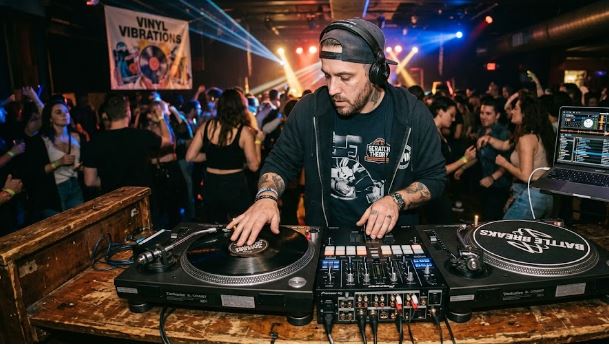
Turntablists use vinyl records and DJ mixers to create new beats, sound effects, and music in real time. They take existing recordings and turn them into something fresh and energetic, often performing live for crowds. It’s a creative skill that treats the turntable like a musical instrument, bringing rhythm and personality into every performance.
They’re often found in hip hop and electronic music scenes, performing at clubs, festivals, concerts, radio stations, and competitions. This career is a great fit for someone who is highly creative, has a strong sense of rhythm, and enjoys experimenting with sound and music. Turntablists might also work in studios or community events, sometimes performing solo or alongside other musicians. The role takes a lot of practice and creativity, especially skills like scratching, beat juggling, and having a strong sense of rhythm and timing.
Duties and Responsibilities
Turntablists handle a mix of creative performance tasks and behind-the-scenes prep to deliver exciting live music experiences.
- Music Selection: Turntablists pick vinyl records or digital tracks that fit the event's vibe and crowd. This step ensures the beats and sounds match what people want to hear, keeping energy high.
- Equipment Setup: They connect turntables, mixers, and headphones, then test everything for clear sound. Proper setup prevents glitches during shows and meets tight event schedules.
- Scratching and Mixing: Turntablists manipulate records by hand to create scratches, beats, and effects using crossfaders on the mixer. These skills turn simple playback into unique rhythms that wow audiences.
- Live Performance: They perform solo or jam with rappers, bands, or other DJs at gigs like club nights. Timing stays sharp to sync with collaborators and hit event deadlines.
- Practice and Skill Building: Turntablists spend hours daily honing techniques like beat juggling on setups such as direct-drive turntables. Regular practice helps them stay sharp on trends and compete in battles.
- Event Coordination: They chat with promoters or sound crews to plan sets and follow venue rules on volume or timing. This teamwork keeps shows smooth and professional.
Types of Turntablists
Turntablists branch into several specialties, each with its own spin on using turntables as instruments.
- Battle Turntablist: Battle turntablists compete in scratch contests judged on speed and creativity. Battles, like those from the DMC World DJ Championships, focus on outshining rivals with complex routines.
- Hip-Hop Turntablist: Hip-hop turntablists provide beats and cuts for rappers during live sets or recordings. The main aim is layering scratches to boost rap flows in hip-hop shows.
- Club Turntablist: Club turntablists mix for dance crowds at nightclubs or parties. Energy comes from blending tracks seamlessly to pack dance floors all night.
- Radio Turntablist: Radio turntablists spin and scratch on air for stations or online streams. The focus stays on engaging listeners with fresh mixes during scheduled broadcasts.
- Producer Turntablist: Producer turntablists craft original tracks using software like digital audio workstations alongside turntables. Their edge lies in releasing beats for others to use.
- Festival Turntablist: Festival turntablists perform at big outdoor events with huge sound systems for thousands. What sets it apart is adapting sets to massive crowds and varying weather.
Workplace of a Turntablist
The workplace of a turntablist is usually dynamic, loud, and performance-focused rather than a traditional office setting. Many turntablists spend their time in music venues where they perform live for audiences, often in clubs, bars, or at festivals. Their “workplace” can change from night to night depending on gigs and events.
They also spend a lot of time in studios or home setups where they practice and create new mixes. This is where they refine their skills, experiment with sounds, and prepare sets for live performances. The environment is often filled with music equipment like turntables, mixers, speakers, and digital audio tools.
In addition to performing and practicing, turntablists may work in radio stations, recording studios, or at music competitions. These settings can be fast-paced and collaborative, especially when working with other DJs, producers, or artists. The work often involves irregular hours, including nights and weekends, especially when performing at live events.
How to become a Turntablist
Turntablists build their careers through steady practice and hands-on experience in music scenes.
- Learn Basic Music Theory: Turntablists study rhythm, beat matching, and sound basics. This knowledge helps them grasp how tracks blend and create effects smoothly.
- Get Entry-Level Gear: They start with affordable turntables, a mixer, and vinyl records. Quality tools let beginners practice real techniques without big costs up front.
- Master Core Techniques: Turntablists practice scratching, beat juggling, and mixing daily. These skills form the foundation for live performances and crowd engagement.
- Take Music Production Courses: Short classes or online workshops teach DJ software like Serato DJ. Formal lessons build technical know-how alongside creativity.
- Build Listening Skills: They train ears to spot beats and mix tracks flawlessly. Strong hearing ensures seamless transitions that keep energy high at events.
- Gain Practical Experience: Turntablists play at open mic nights or local parties for free at first. Real gigs sharpen timing and crowd-reading under pressure.
- Freelance or Assist Pros: They shadow experienced DJs at clubs or shadow sessions. This teamwork opens doors to paid work and industry contacts.
- Earn Professional Certifications: Turntablists complete recognized training programs in DJ arts. Credentials boost credibility for bookings and competitions.
Certifications
Several US-based certifications help turntablists sharpen skills and prove their expertise to event planners and fans.
- Musicians Institute – Certificate in DJ Performance & Production, Los Angeles, CA: A two quarter (30 unit) accredited certificate focused on DJ performance, beat matching, turntablism, DAWs (Digital Audio Workstations, and digital DJ tools (Traktor, Serato).
- Scratch DJ Academy Certification Program: This program from Scratch DJ Academy in New York offers a structured multi-level course that covers mixing, scratching, music theory, and performance skills, and awards a certificate upon completion.
- Certified Semi-Pro DJ – The DJ Coach: A DJ coaching program designed to help DJs move beyond practicing at home and start preparing for real paid gigs. It focuses on improving performance skills while also teaching branding and business strategies to help DJs get booked and build a career.
- DJ & Music Production Academy: The Wired Sound Academy, a certified DJ and music production school located in Fort Lauderdale, FL, offers two programs, each of which can be completed in four to eight weeks. DJ courses include The Complete DJ Course, Essential DJ Course, and Intro DJ Class. Production courses include The Complete Music Production Course and Essential Music Production Course.
- Ableton Certified Training: These are highly regarded technical credentials in electronic music and live performance with Ableton Live.
Skills Needed for a Turntablist
A Turntablist is a DJ who specializes in manipulating records, turntables, mixers, and digital equipment to create rhythmic, musical, and performance-based effects.
Key Skills
- Turntable Techniques – Mastery of scratching, beat juggling, cutting, backspinning, and mixing.
- Rhythm and Timing – Strong sense of rhythm, tempo, and musical timing.
- Beatmatching – Ability to synchronize the beats and tempos of different tracks.
- Scratching Skills – Knowledge of techniques such as baby scratches, transforms, flares, and chirps.
- Music Knowledge – Understanding of hip-hop, electronic, funk, soul, breakbeats, and other relevant genres.
- DJ Equipment Handling – Proficiency with turntables, mixers, cartridges, controllers, headphones, and audio systems.
- Musical Creativity – Ability to create original sounds, combinations, transitions, and live performances.
- Ear Training – Strong ability to identify pitch, tempo, rhythm, beats, and subtle differences in sound.
- Performance Skills – Confidence and stage presence when performing for audiences.
- Song Selection – Ability to select tracks and samples that complement a performance.
- Digital DJ Skills – Familiarity with DJ software, digital vinyl systems, samplers, and modern production tools.
- Improvisation – Ability to react creatively to the music, audience, and performance environment.
- Concentration – Maintaining precision and timing during complex live routines.
- Equipment Maintenance – Basic knowledge of maintaining turntables, needles, mixers, cables, and other equipment.
- Practice and Discipline – Regular practice to develop speed, precision, originality, and consistency.
Turntablist Salary
A Turntablist's salary varies depending on experience, performance opportunities, location, reputation, and whether they work independently or with music companies, clubs, festivals, or entertainment agencies.
India
- Beginner: ₹2–5 lakh per year
- Mid-level: ₹5–10 lakh per year
- Experienced: ₹10–20 lakh per year
- Established/Professional Turntablists: ₹20 lakh+ per year
Many turntablists work as freelancers, so income may come from individual performances rather than a fixed salary. Event fees can range from a few thousand rupees for local performances to ₹50,000 or more per show for established artists.
International
Professional turntablists in markets such as the United States, United Kingdom, and Canada can earn approximately $30,000–$80,000+ per year, with well-known performers potentially earning considerably more through concerts, festivals, tours, competitions, sponsorships, and music production.







User's Comments
No comments there.