


Stories you may like
AI Personalization Engineer
An AI personalization engineer creates systems that make digital experiences feel personal for each user. They use artificial intelligence to suggest content, products, or features based on what users like and how they behave, helping apps and websites feel more helpful and engaging. Their work is behind things like recommended videos, shopping suggestions, personalized news feeds, and adaptive app interfaces.
AI personalization engineers usually work in industries like e-commerce, streaming, social media, or software, where making experiences relevant for users is important. They team up with product managers, designers, marketers, and data experts to turn insights into real-time personalized features. To do well in this role, they need skills in machine learning, data analysis, and programming, along with an understanding of how people use technology and the ability to think about both the technical and user side.
Duties and Responsibilities
AI personalization engineers help make digital experiences feel personal and relevant for each user. They combine AI, data, and an understanding of people to create recommendations, suggestions, and adaptive features that keep apps and websites engaging. Their main duties and responsibilities include:
- Design Recommendation Systems: Create algorithms that suggest content, products, or features based on what users like and how they behave. These systems help people discover things they enjoy and keep them coming back.
- Analyze User Data: Examine patterns, preferences, and trends from user activity. Insights from this analysis help improve personalization and make experiences feel more tailored to each individual.
- Collaborate With Product Teams: Work with product managers, UX designers, and marketers to implement personalized features. This ensures AI solutions meet both user needs and business goals.
- Test And Optimize Models: Run experiments and tests to see how well the recommendations work. Continuous optimization makes the system smarter and more effective over time.
- Implement Machine Learning Solutions: Build and deploy AI models that power personalization engines. Well-designed models run smoothly and adapt as user preferences change.
- Monitor System Performance: Track how well the personalization systems are working. Monitoring ensures recommendations remain accurate, timely, and reliable for every user.
- Stay Updated On Trends: Research the latest AI, machine learning, and personalization technologies. Keeping current brings new ideas and techniques into the work.
Workplace of an AI Personalization Engineer
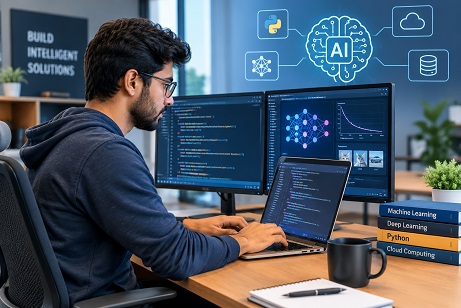
The workplace of an AI personalization engineer is mostly office or remote-based, often within tech companies, e-commerce platforms, or digital product teams. Engineers spend a lot of time at computers, writing code, building machine learning models, and analyzing user data. Collaboration with data scientists, UX designers, and product managers is a regular part of the day to make sure personalization features align with user needs.
Many AI personalization engineers have flexible or hybrid work setups, allowing them to work from home or different office locations. Communication tools like Slack, Zoom, and project management software help teams coordinate and track progress. Engineers also use specialized software for coding, data analysis, and machine learning, such as Python, TensorFlow, or cloud-based AI platforms.
Daily work often involves reviewing model performance, running experiments, and optimizing algorithms. Engineers participate in team meetings, code reviews, and design sessions to ensure recommendations and personalization systems work smoothly. The environment is generally collaborative and fast-paced, with a mix of independent problem-solving and teamwork focused on improving the user experience.
How to become an AI Personalization Engineer
Entering this career involves building strong technical skills, gaining practical experience, and staying current with AI trends. Here are the key steps to get started:
- Build a Strong Math and Programming Foundation: Learn programming languages like Python or R, and study statistics, linear algebra, and probability. These fundamentals are essential for creating and understanding AI models.
- Earn a Formal Degree (Optional): Many engineers pursue a Bachelor’s or Master’s Degree in Computer Science, Data Science, or Artificial Intelligence. Formal education helps develop technical expertise and opens doors to professional networks.
- Develop Machine Learning Skills: Gain experience with algorithms, neural networks, and recommendation systems. Hands-on practice is crucial for building effective personalization engines.
- Gain Practical Experience: Complete internships, projects, or freelance work that involves AI, data analysis, or personalization. Real-world experience teaches problem-solving and how to apply theory to user-focused solutions.
- Learn Tools and Platforms: Get familiar with tools like TensorFlow, PyTorch, SQL, and cloud-based AI services. Proficiency with these platforms allows engineers to efficiently implement and scale AI solutions.
- Stay Updated on AI Trends: Follow industry developments, research papers, and new technologies in AI and personalization. Staying current ensures your skills remain relevant and competitive.
- Build a Portfolio: Showcase projects, case studies, or contributions to open-source personalization systems. A portfolio demonstrates your abilities to potential employers and highlights practical expertise.
Skills Needed for an AI Personalization Engineer
An AI Personalization Engineer develops intelligent systems that deliver customized experiences, recommendations, and content to individual users. This role combines AI, machine learning, data analytics, and customer behavior insights.
1. Machine Learning & AI
- Supervised and unsupervised learning
- Deep learning fundamentals
- Recommendation systems
- Predictive analytics
- Reinforcement learning concepts
- Model training and evaluation
2. Programming Skills
- Python
- SQL
- Java or Scala (optional)
- API development and integration
- Data structures and algorithms
3. Data Engineering
- Data collection and preprocessing
- ETL pipelines
- Data cleaning and transformation
- Feature engineering
- Real-time data processing
4. Recommendation Systems Expertise
- Collaborative filtering
- Content-based filtering
- Hybrid recommendation models
- User-item interaction modeling
- Ranking algorithms
5. Big Data Technologies
- Apache Spark
- Hadoop
- Kafka
- Databricks
- Cloud-based data platforms
6. Customer Analytics
- User segmentation
- Behavioral analytics
- Customer journey analysis
- Audience targeting
- Personalization strategies
7. Generative AI & LLMs
- Prompt engineering
- Fine-tuning language models
- Retrieval-Augmented Generation (RAG)
- AI-powered content personalization
- Conversational AI systems
8. Cloud Platforms
- Amazon Web Services (AWS)
- Google Cloud
- Microsoft Azure
- Model deployment and monitoring
9. A/B Testing & Optimization
- Experiment design
- Statistical analysis
- Conversion optimization
- Performance measurement
- User engagement tracking
10. MLOps Skills
- CI/CD for machine learning
- Model versioning
- Monitoring and maintenance
- Docker
- Kubernetes
- ML pipelines
11. Business Understanding
- E-commerce personalization
- Marketing automation
- Customer retention strategies
- Revenue optimization
- Product recommendation workflows
12. Soft Skills
- Problem-solving
- Communication
- Critical thinking
- Collaboration with product and marketing teams
- Analytical mindset
Salary
| Experience Level | India (₹ per year) | United States ($ per year) |
| Entry-Level (0–2 years) | ₹8 lakh – ₹15 lakh | $90,000 – $130,000 |
| Mid-Level (3–5 years) | ₹15 lakh – ₹30 lakh | $130,000 – $180,000 |
| Senior (6–10 years) | ₹30 lakh – ₹60 lakh+ | $180,000 – $250,000+ |
| Lead/Principal | ₹60 lakh – ₹1.2 crore+ | $250,000 – $400,000+ |
Salary by Company Type in India
- AI startups: ₹10–25 lakh
- Product companies: ₹18–45 lakh
- E-commerce giants: ₹20–50 lakh
- Global tech companies: ₹35 lakh–₹1 crore+
- Consulting firms: ₹12–35 lakh
Factors That Increase Salary
- Expertise in recommendation systems
- Experience with Large Language Models (LLMs)
- Strong Python and machine learning skills
- Knowledge of MLOps and cloud platforms
- Experience with personalization at scale
- Background in e-commerce, advertising, or streaming platforms
Related High-Paying Roles
- AI Solutions Engineer
- Machine Learning Engineer
- Recommendation Systems Engineer
- AI Research Engineer
- Generative AI Engineer
- Personalization Architect








User's Comments
No comments there.