


Stories you may like
Tax Preparer
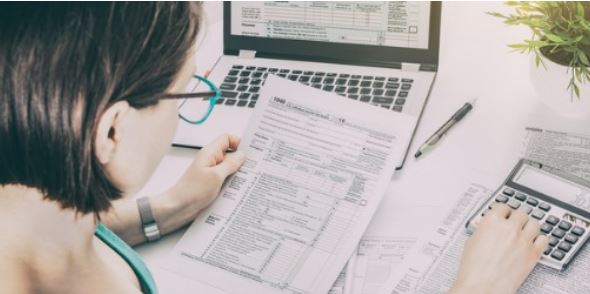
A tax preparer helps individuals and businesses get their taxes done accurately and on time. They guide clients through the sometimes-confusing process of reporting income, claiming deductions, and calculating credits, making sure everything is filed correctly with the IRS or state tax agencies. Their goal is to take the stress out of tax season and help clients avoid mistakes or penalties.
Tax preparers work closely with clients to understand their financial situation and identify opportunities to save money within the law. They can be self-employed, work for tax preparation companies, or hold certifications from professional training programs. While they don’t conduct audits like IRS agents, their expertise is essential for navigating the tax system and making sure clients meet their tax obligations confidently.
Duties and Responsibilities
Tax preparers play an important role during tax season, ensuring that clients fulfill their tax obligations while optimizing their tax situations within the boundaries of the tax code. Here are some key responsibilities:
- Client Consultation: Meet with clients to gather financial information, documents, and records. Understand their income sources, expenses, and special circumstances to ensure an accurate and complete tax return.
- Data Entry and Calculation: Input financial data into tax preparation software or forms. Accurately calculate taxable income, deductions, credits, and overall tax liability, minimizing the risk of errors.
- Form Preparation: Complete all required federal, state, and local tax forms based on the client’s financial situation, ensuring every section is properly filled out and complies with current tax laws.
- Maximize Tax Benefits: Identify potential deductions, credits, and tax-saving opportunities. Advise clients on legal strategies to optimize refunds or reduce liabilities while staying fully compliant with the law.
- Accuracy Review: Carefully review all returns to catch errors or omissions. Double-check calculations, cross-verify supporting documents, and ensure the information aligns with client records.
- Client Communication: Explain calculations, deductions, credits, and filing outcomes in plain language. Help clients understand their tax obligations and answer any questions about their return.
- Filing and Recordkeeping: Submit returns electronically or by mail before deadlines and maintain organized records of all tax documents, client information, and filed returns for future reference or audits.
- Professional Ethics and Continuing Education: Maintain confidentiality and follow ethical standards in all interactions. Stay up-to-date on tax laws, regulations, and best practices through ongoing education and professional development.
Types of Tax Preparers
Tax preparers vary in their qualifications. Some may have certifications, licenses, or specific training, while others may have more general knowledge of tax regulations. Here are some common types of tax preparers:
- Certified Public Accountants (CPAs): CPAs are licensed professionals with in-depth knowledge of accounting and tax regulations. They can provide comprehensive financial services, including tax preparation, financial planning, and auditing. CPAs are qualified to handle complex tax situations for both individuals and businesses.
- Enrolled Agents (EAs): EAs are tax professionals authorized by the U.S. Department of the Treasury to represent taxpayers before the Internal Revenue Service (IRS). They have passed a comprehensive exam covering tax codes and regulations. EAs can handle a wide range of tax issues, including audits and appeals.
- Tax Attorneys: Tax attorneys are lawyers who specialize in tax law. They have a deep understanding of legal and tax matters and can provide advice on complex tax issues, disputes, and litigation. Tax attorneys can represent clients in court if tax-related legal matters arise.
- Seasonal Tax Preparers: Some individuals work as tax preparers on a seasonal basis, particularly during tax-filing season. They may have other professions during the rest of the year and offer tax preparation services temporarily.
- Specialized Tax Preparers: Some tax preparers specialize in certain areas, such as small businesses, self-employed individuals, expatriates, or specific industries. They have expertise in the unique tax challenges faced by these groups.
Workplace of a Tax Preparer
The workplace of a tax preparer can be quite varied, depending on the time of year and the type of clients they serve. Much of the work takes place in an office or home office, where preparers organize financial documents, input data into tax software, calculate deductions and credits, and prepare tax returns. This part of the job is detail-oriented and requires focus, as accuracy is essential to avoid errors that could affect clients’ taxes.
Tax preparers also spend time meeting with clients, either in person, over the phone, or virtually. These meetings are used to gather financial information, answer questions, explain tax implications, and provide advice on maximizing deductions and credits. Working directly with clients helps preparers understand each individual’s unique financial situation and ensures that returns are completed correctly.
During tax season, the workplace can become fast-paced, with many deadlines and a high volume of returns to process. Some tax preparers work for accounting firms, tax preparation companies, or are self-employed, which can influence their work environment. On the other hand, outside of tax season, the workload may be lighter, focusing more on planning, continuing education, and preparing for the next filing period.
How to become a Tax Preparer
Becoming a tax preparer is a practical way to start a career in finance or accounting, and it can range from handling simple individual returns to managing complex business taxes. Here’s a guide to get started:
- Obtain a High School Diploma or Equivalent: A high school diploma or GED is typically the minimum requirement for entering the field. Strong math and organizational skills are helpful.
- Gain Basic Tax Knowledge: Learn the fundamentals of tax preparation through online courses, workshops, or self-study. Understanding income, deductions, credits, and filing requirements is essential.
- Consider Formal Training or Certification: While not always required, completing a tax preparation course or earning credentials—such as becoming an IRS Registered Tax Return Preparer, Enrolled Agent (EA), or pursuing a related accounting certification—can improve your qualifications and credibility.
- Gain Practical Experience: Start by assisting experienced tax preparers, volunteering at community tax assistance programs, or working at a tax preparation firm to develop hands-on skills.
- Register with the IRS (if required): For paid tax preparers, the IRS requires obtaining a Preparer Tax Identification Number (PTIN). Certain certifications, like EA or CPA, also require registration.
- Develop Key Skills: Build strong attention to detail, analytical thinking, communication skills, and client service abilities. Staying organized is crucial for managing multiple clients and deadlines.
- Stay Updated: Tax laws change frequently, so ongoing education, workshops, and professional resources are essential for maintaining compliance and offering accurate guidance.
- Consider Specialization or Advancement: Over time, you can specialize in areas such as small businesses, self-employed clients, or complex corporate taxes, or advance toward becoming a CPA or tax attorney for higher-level roles.
Certifications
Earning a certification can boost a tax preparer’s credibility, expand the types of services they can offer, and demonstrate expertise in tax law. Several recognized certifications exist for tax professionals in the United States:
- IRS Preparer Tax Identification Number (PTIN): Required for anyone who prepares federal tax returns for compensation. Obtaining a PTIN registers you with the IRS as a paid preparer.
- Enrolled Agent (EA): Authorized by the U.S. Department of the Treasury, EAs can represent taxpayers before the IRS, including audits and appeals. Candidates must pass the Special Enrollment Examination or have relevant IRS experience.
- Certified Public Accountant (CPA): CPAs are licensed by state boards and have completed rigorous education, examination, and experience requirements. They can handle complex tax, accounting, and auditing matters.
- Annual Filing Season Program (AFSP): Offered by the IRS, this voluntary program recognizes non-credentialed tax preparers who complete continuing education and pass a competency test.
- Specialized Certifications: Some professional organizations offer additional credentials, such as the National Association of Tax Professionals (NATP) certifications or the Accreditation in Taxation (AIT) from the Accreditation Council for Accountancy and Taxation (ACAT), which provide advanced training in specific areas of tax preparation.
Skills needed for Tax Preparer
Hard Skills (Technical & Domain Knowledge)
- Tax Law & Regulations: Deep understanding of federal, state, and local tax codes, deductions, credits, and filing requirements.
- Tax Software Proficiency: Ability to navigate and use specialized preparation software (such as TaxSlayer, UltraTax CS, or QuickBooks) and electronic filing systems.
- Basic Accounting & Math: Familiarity with bookkeeping principles, cash and accrual methods, and financial statements (balance sheets and P&L sheets).
- Compliance & Data Security: Knowledge of IRS data security mandates, including maintaining a Written Information Security Plan (WISP) and handling sensitive PII (Personally Identifiable Information).
- Regulatory Numbers: Holding or obtaining a valid IRS PTIN (Preparer Tax Identification Number) and an EFIN (Electronic Filing Identification Number) if filing over 10 returns.
Soft Skills (Interpersonal & Operational)
- Attention to Detail: Meticulous proofreading and accuracy to prevent costly filing errors, calculation mistakes, or audit triggers.
- Communication: Ability to explain complex tax concepts, rules, and deductions in simple, clear terms that clients can easily understand.
- Customer Service & Empathy: Active listening and building trust so clients feel supported and confident returning year after year.
- Time Management: Strong organizational capabilities to handle high-pressure workloads, multi-client schedules, and strict filing deadlines during peak tax season.
- Problem-Solving & Research: Capacity to investigate tricky tax scenarios—such as equity compensation (RSUs/ESPs), rental properties, or multi-state income—and find proper solutions.









User's Comments
No comments there.