


Stories you may like
Microbiologist
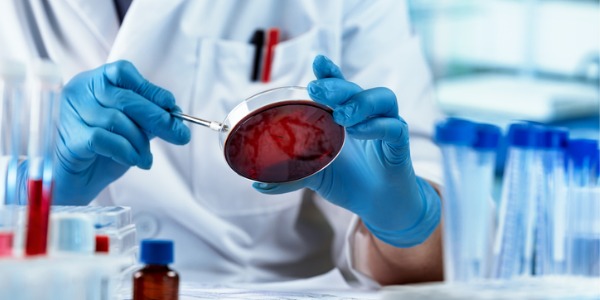
A microbiologist studies microorganisms such as bacteria, viruses, fungi, and parasites. These microorganisms are often too small to be seen with the naked eye and can have significant impacts on human health, the environment, and various industries. Microbiologists use a variety of techniques to study these organisms, including microscopy, DNA sequencing, and culturing techniques. They also use biochemical and molecular biology techniques to understand how microorganisms interact with their environment and how they cause disease.
Microbiologists work in a wide range of fields, including medicine, agriculture, food production, and environmental science. They help in developing new treatments and vaccines for infectious diseases, improving food safety, and understanding the impact of microorganisms on the environment. They may also work in research and development for biotechnology and pharmaceutical companies, developing new drugs and treatments based on microorganisms.
By conducting research and experiments, microbiologists help develop treatments for diseases caused by microorganisms and create vaccines to prevent the spread of infectious diseases. They also work in industries such as food, agriculture, and biotechnology, where they develop new products, improve existing ones, and ensure the safety and quality of our food and environment.
Duties and Responsibilities
The duties and responsibilities of microbiologists vary depending on their specialization, but they generally include:
- Conducting Research: Microbiologists conduct experiments to investigate the behavior of microorganisms. They design experiments that test hypotheses related to microbial growth, survival, and metabolism. They may use a variety of techniques, including microscopy, genetic analysis, and biochemical assays, to study microorganisms at the molecular and cellular levels.
- Developing New Products: Microbiologists work in industries such as pharmaceuticals, biotechnology, and food and beverage to develop new products or improve existing ones. They use their knowledge of microorganisms to develop antibiotics, vaccines, probiotics, and other products. They also conduct research to optimize production processes, improve product quality, and increase yield.
- Analyzing Samples: Microbiologists analyze samples from various sources to identify microorganisms and determine their characteristics. For example, they may analyze water samples to detect the presence of harmful bacteria or fungi, or analyze soil samples to study the microbial diversity in different ecosystems. They may use various techniques such as culturing, microscopy, and genetic analysis to identify microorganisms and determine their characteristics.
- Monitoring Microbial Growth: Microbiologists monitor the growth of microorganisms in laboratory cultures and in natural environments. They use various techniques to determine the rate of growth, the type of nutrients required, and the factors that affect growth. They may also study the interactions between microorganisms and their environment, such as how bacteria interact with host cells or how microbes in the soil contribute to plant growth.
- Controlling Microbial Contamination: Microbiologists develop strategies to control the growth and spread of microorganisms in various settings. For example, they may develop protocols for sterilization, disinfection, and sanitation in hospitals, food processing plants, and water treatment facilities. They may also study the use of natural antimicrobial compounds to control the growth of harmful bacteria and fungi.
- Communicating Research Findings: Microbiologists communicate their research findings to other scientists, policymakers, and the public. They write scientific papers that are published in peer-reviewed journals, give presentations at conferences, and engage in public outreach activities. They may also collaborate with other scientists to develop policy recommendations related to public health or environmental protection.
- Ensuring Laboratory Safety: Microbiologists follow strict safety protocols to ensure that they and others in the laboratory are not exposed to hazardous microorganisms or chemicals. They wear protective equipment such as gloves, lab coats, and respirators when handling hazardous materials, and they dispose of waste materials according to strict regulations.
- Teaching and Training: Microbiologists teach courses in microbiology and related fields at universities and colleges. They may also provide training to technicians and other laboratory personnel on laboratory techniques, safety procedures, and quality control measures.
- Collaborating With Other Scientists: Microbiologists collaborate with scientists in other fields such as biochemistry, genetics, and immunology to advance knowledge in their respective fields. For example, they may collaborate with biochemists to study the metabolism of bacteria or with immunologists to study how the immune system responds to infectious agents.
Types of Microbiologists
There are several types of microbiologists with different areas of expertise and job responsibilities. Here are some of the most common types of microbiologists and what they do:
- Medical Microbiologists: Medical microbiologists work in healthcare settings, such as hospitals and clinics. They are responsible for identifying and treating infectious diseases caused by bacteria, viruses, fungi, and other microorganisms. They may work in clinical laboratories, where they examine patient samples to identify the specific microorganism responsible for the infection.
- Environmental Microbiologists: Environmental microbiologists study the interactions between microorganisms and their environment. They may work in industries such as agriculture, food production, and environmental management. Their work involves identifying microorganisms in various environments, monitoring microbial populations, and developing strategies to control microbial growth.
- Industrial Microbiologists: Industrial microbiologists work in the biotechnology industry, where they develop and manufacture products such as antibiotics, vaccines, and enzymes. They may also work in the food industry, where they develop and test food products and processes.
- Agricultural Microbiologists: Agricultural microbiologists study the role of microorganisms in agriculture, including soil microbiology, plant-microbe interactions, and animal microbiology. They may work in research institutions or in the private sector, developing new technologies to improve crop yields and animal health.
- Veterinary Microbiologists: Veterinary microbiologists study the microorganisms that cause diseases in animals. They work in veterinary clinics and research institutions, developing new diagnostic tests and treatments for animal diseases.
- Marine Microbiologists: Marine microbiologists study the microorganisms that live in marine environments, including the ocean floor and coral reefs. They may work in research institutions or in the private sector, developing new technologies to monitor and protect marine ecosystems.
- Virologist: A virologist is a scientist or medical doctor who studies viruses, develops treatments and vaccines, and works to prevent and control viral diseases.
What is the workplace of a Microbiologist like?
The workplace of a microbiologist can vary depending on their specific area of expertise and the industry they work in. However, many microbiologists work in laboratories or research facilities where they conduct experiments and analyze data. These workspaces are typically equipped with advanced tools and technologies, such as microscopes, centrifuges, and PCR machines, to help them examine microorganisms at the cellular level.
In addition to laboratory work, microbiologists may also spend time in offices or conference rooms, where they analyze data, prepare reports, and collaborate with other professionals. They may also attend conferences or seminars to stay up-to-date with the latest research and advancements in their field.
Some microbiologists work in the healthcare industry, where they may spend time in hospitals, clinics, or other medical facilities. They may be responsible for identifying and diagnosing infectious diseases, as well as developing treatment plans and monitoring patient outcomes. Microbiologists in this setting may also work closely with other healthcare professionals, such as doctors, nurses, and medical laboratory technicians.
Microbiologists may also work in industries such as food and agriculture, where they may be responsible for ensuring the safety and quality of food products. In this setting, they may conduct tests and experiments to identify and prevent the growth of harmful bacteria or other microorganisms.
How to become a Microbiologist
Becoming a microbiologist typically requires a combination of education and practical experience. Here is a detailed guide on how to become a microbiologist:
- Obtain a Bachelor's Degree: To become a microbiologist, you will first need to earn a Bachelor's Degree in Microbiology, Biology, or a related field. This typically takes four years and involves coursework in microbiology, biochemistry, genetics, and other related subjects.
- Gain Laboratory Experience: In addition to coursework, gaining laboratory experience is critical for becoming a microbiologist. You can gain this experience by working as a research assistant or lab technician during your undergraduate studies or by participating in internships or research programs.
- Consider a Graduate Degree: While a bachelor's degree may be sufficient for some entry-level positions in microbiology, many microbiologists hold advanced degrees. A Master's Degree or a Ph.D. in Microbiology can provide more opportunities for advanced research positions or teaching positions.
- Obtain Certification: While certification is not required for most microbiology positions, it can demonstrate your expertise and competency to potential employers (see below).
- Gain Work Experience: After completing your education and obtaining any necessary certifications, gaining work experience is critical for advancing in the field of microbiology. This can include working in a laboratory, in the field, or in a clinical setting.
- Stay Up-To-Date on Advancements: The field of microbiology is constantly evolving, and it is essential to stay up-to-date on the latest research and advancements in the field. This can involve attending conferences, participating in continuing education courses, or subscribing to relevant journals.
Certifications
There are several certifications available for microbiologists. Here are some of the most common ones:
- American Board of Medical Microbiology (ABMM) certification: This certification is offered by the American Board of Medical Microbiology, which is a branch of the American Society for Microbiology (ASM). The ABMM certification is designed for microbiologists who work in clinical or public health microbiology. To be eligible for this certification, candidates must have a Doctoral Degree in Microbiology or a related field, as well as a certain number of years of experience in medical microbiology.
- American Society for Clinical Pathology (ASCP) certification: The ASCP offers several certifications for microbiologists, including the Microbiology Technologist (M) and Specialist in Microbiology (SM) certifications. These certifications are designed for microbiologists who work in clinical laboratories. To be eligible for these certifications, candidates must have a Bachelor's Degree in Microbiology or a related field, as well as a certain number of years of experience in clinical microbiology.
- National Registry of Certified Microbiologists (NRCM) certification: The NRCM is an independent certification organization that offers several certifications for microbiologists, including the Registered Microbiologist (RM) and Specialist Microbiologist (SM) certifications. These certifications are designed for microbiologists who work in a variety of settings, including clinical, industrial, and academic laboratories. To be eligible for these certifications, candidates must have a Bachelor's Degree in Microbiology or a related field, as well as a certain number of years of experience in microbiology.
- Association of Public Health Laboratories (APHL) certification: The APHL offers several certifications for microbiologists who work in public health laboratories, including the Specialist in Public Health Microbiology (SPHM) certification. To be eligible for this certification, candidates must have a Bachelor's Degree in Microbiology or a related field, as well as a certain number of years of experience in public health microbiology.
Associations
There are several professional organizations for microbiologists that offer opportunities for networking, continuing education, research funding, and scientific collaboration. These associations bring together experts in the field and offer resources and support for professionals at all stages of their careers.
- American Society for Microbiology (ASM): The largest professional organization for microbiologists in the US, offering resources, conferences, and publications for members.
- American Society of Plant Biologists (ASPB): A society focused on the study of plant biology, including topics such as plant-microbe interactions, plant pathology, and plant-microbe symbiosis.
- Society for Industrial Microbiology and Biotechnology (SIMB): A professional society dedicated to advancing the field of industrial microbiology and biotechnology.
- Association of Public Health Laboratories (APHL): An organization focused on promoting the role of public health laboratories in disease detection, prevention, and control, including microbiology testing.
- Infectious Diseases Society of America (IDSA): A society focused on the prevention, diagnosis, and treatment of infectious diseases, including those caused by microorganisms.
- American Association of Immunologists (AAI): A society focused on the study of the immune system, including the role of microorganisms in immune responses.
- American Association of Veterinary Laboratory Diagnosticians (AAVLD): An organization focused on advancing veterinary laboratory diagnostics, including microbiology testing.
- Association of Medical Microbiology and Immunology (AMMI) Canada: A professional society focused on medical microbiology and immunology research and education, including in the US.
- American College of Microbiology (ACM): A professional association that provides certification and recognition for excellence in the field of microbiology.
- American Type Culture Collection (ATCC): A non-profit organization that maintains and distributes authenticated microbial cultures for research and development purposes in the US and worldwide.










User's Comments
No comments there.