


Stories you may like
Garden Center Florist
Garden center florists, as the name implies, work in a garden center or nursery. They are adept at cultivating and caring for flowers and plants. With a passion for flora and artistic skill, they create floral arrangements for various occasions, offer expert advice on plant care and gardening, and contribute to the overall operation and appeal of the garden center.
Duties and Responsibilities
The role of the garden center florist involves various aspects of floral and plant-related activities, including:
- Flower Arrangements – Garden center florists are skilled in creating floral arrangements for various occasions such as weddings, funerals, birthdays, anniversaries, and other special events.
- Plant Care – Garden center florists are knowledgeable about different types of plants, flowers, and foliage, and they provide advice and guidance to customers on how to care for and maintain them. This may include giving information on watering, fertilizing, pruning, pest control, and adapting to changing seasons and different weather conditions.
- Customer Service – Garden center florists assist customers in selecting the right flowers and plants for their needs, offer gardening tips, and answer questions related to landscaping and gardening.
- Floral Design – Garden center florists have a keen eye for design and can create custom floral designs based on clients' preferences and requirements.
- Inventory Management – Garden center florists are responsible for managing and maintaining the inventory of flowers and plants in the garden center, ensuring that the stock is fresh and appealing to customers.
- Garden Center Operations – Apart from floral duties, garden center florists may also help with general operations within the garden center, including plant display arrangement, pricing, and sales.
- Event Support – Garden center florists might assist with setting up floral arrangements and decorations for events held within the garden center or for external events where their services are requested.
- Educational Outreach – The garden center florist may conduct short workshops or demonstrations on flower arranging and plant care for interested customers and garden center visitors.
- Sustainable Practices – Increasingly, florists concentrate on eco-friendly and sustainable practices, promoting the use of locally sourced and organic flowers and plants, as well as biodegradable materials in their arrangements.
Types of Garden Center Florists
Now that we have a sense of a typical day in the life of a general garden center florist, let’s look at some specialists in the field, or different types of garden center florists:
- Plant Specialist – A garden center florist can focus primarily on plants, offering specialized knowledge on different types of plants, gardening techniques, and plant care.
- Greenhouse Florist – In some garden centers with attached greenhouses or nurseries, florists may be primarily involved in propagating and nurturing plants for sale. They focus on maintaining greenhouse conditions and managing plant stock.
- Landscape Florist – In larger garden centers that offer landscaping services, some florists may specialize in designing and executing outdoor landscape arrangements, including planting and floral installations.
- Event Florist – Some florists within a garden center may specialize in creating floral arrangements and decor for various occasions, such as weddings, corporate events, and parties.
What is the workplace of a Garden Center Florist like?
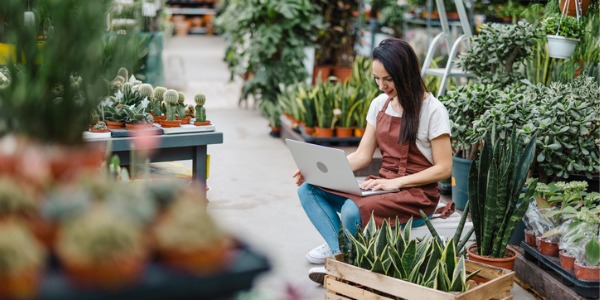
Garden center florists are typically employed by garden centers, nurseries, or horticultural retail establishments. These businesses specialize in selling a wide variety of plants, flowers, gardening supplies, and related products. Garden centers provide a convenient one-stop-shop for customers interested in purchasing plants, flowers, gardening tools, soil, fertilizers, and other gardening-related items.
Additionally, some large home improvement retail chains that have dedicated garden center sections may also employ garden center florists to cater to the floral and plant needs of their customers.
Some private landscaping companies or event planning businesses may employ florists to assist with outdoor landscaping projects or floral arrangements for weddings, parties, and other events.
Here's a glance at the garden center florist’s typical workplace environment:
- Greenhouse or Floral Department – Garden center florists often work in a designated greenhouse or floral department. This area is specially designed to accommodate a wide variety of flowers and plants, providing the optimal conditions for their care and display. The greenhouse is equipped with benches, shelves, and storage areas for holding and arranging the plants and flowers.
- Workstations – Florists have individual workstations where they create floral arrangements and designs. These workstations are equipped with tools and materials such as shears, vases, ribbons, floral foam, and other necessary supplies for arranging flowers.
- Display Area – The garden center will have a display area showcasing the floral arrangements and potted plants created by the florist. This area is often attractive and well-lit to attract customers and showcase floral designs.
- Plant Care Area – Many garden centers have a designated area for storing plant care tools that are used for pruning, watering, and plant maintenance.
- Customer Service Area – Florists interact directly with customers, so there may be a customer service counter or consultation area where they assist customers with their floral needs and provide recommendations.
- Retail Environment – The garden center as a whole is a retail environment, so the workplace will be lively and bustling with customers, especially during busy seasons like spring and holidays.
- Outdoor Spaces – It is quite common for garden centers to have outdoor areas where plants, flowers, and garden accessories are displayed. Florists may also work in these areas, especially when setting up larger outdoor floral displays or landscaping projects.
- Seasonal Changes – The workplace environment will vary with the seasons, with different displays and plant arrangements being featured during different times of the year.
- Co-Worker Interaction – Garden center florists work as part of a team, collaborating with other florists, garden center staff, and management to ensure the smooth operation of the garden center and provide excellent customer service.
- Physical Demands – The garden center florist’s job usually involves some physical activity, such as lifting and carrying potted plants, bending to work on floral arrangements, and spending time outdoors in varying weather conditions.
How to become a Garden Center Florist
Becoming a garden center florist involves a combination of education, practical experience, and a passion for flowers and design. Here is a snapshot of the pathway to the career:
High School Diploma or Equivalent
Most entry-level garden center florist positions require a high school diploma or equivalent. High school education provides a foundation in basic communication and math and organizational skills, and it lays the groundwork for further learning. Seek out courses in art, design, horticulture, and business.
Floral Design Education
While formal education may not be mandatory, consider enrolling in floral design courses or programs offered by vocational schools, community colleges, or private floral schools. These courses teach essential skills in floral arranging, design principles, color theory, and flower care.
The following are just a few of the many excellent floral design programs available in the US. All are taught by experienced professionals in the industry and include a practical, hands-on training component. When choosing a program, it's important to research each one to determine which is the best fit for your needs and career goals.
- New York Botanical Garden – The NYBG offers a Floral Design Certificate Program, which includes courses in design principles, flower arranging, event design, and more.
- Longwood Gardens – Located in Pennsylvania, Longwood Gardens offers a Professional Floral Design Certificate Program, which covers topics such as design principles, wedding and event design, and business management.
- Floral Design Institute – Based in Portland, Oregon, the Floral Design Institute offers a variety of courses and programs for floral designers, including a Professional Florist Program, which includes courses in floral design, business management, and marketing.
- Minneapolis Community and Technical College – This Floral Design Program covers topics such as design principles, flower arranging, event design, and more.
- City College of San Francisco – This college offers a Floral Design and Shop Management Program, which includes courses in floral design, business management, and marketing.
Horticulture Education
Aspiring garden center florists can also benefit from taking horticulture courses, which provide a solid foundation in plant care, propagation, pest management, and general gardening practices. Several institutions offer two-year associate degree programs in horticulture.
Apprenticeship or Entry-Level Position
Seek an apprenticeship or entry level position at a garden center, nursery, or flower shop. Working under experienced florists, you will learn about different types of plants, flowers, and floral arrangements and gain practical, hands-on experience and insights into the industry. You will also develop customer interaction and service skills, which are essential for garden center florists.
Develop Design Skills
Continue to practise floral designs on your own and experiment with different flower combinations, color schemes, and styles to enhance your creativity and skills.
Build a Portfolio
Create a portfolio showcasing your best floral designs. This can be an online portfolio or a physical collection of photographs to showcase your skills to potential employers or clients.
Certifications and Professional Organizations
While not always required, obtaining certifications from reputable floral organizations and joining professional associations demonstrate expertise and dedication to the field, providing an added layer of credibility and trust for clients.
- National Floriculture Forum (NFF) – While primarily aimed at horticulturists and researchers, NFF offers an opportunity for florists to connect with experts in the field, learn about the latest research, and stay informed about industry trends.
- American Horticultural Society (AHS) – AHS is dedicated to promoting gardening and horticulture and provides resources, educational programs, and publications that can be beneficial to garden center florists.
- American Institute of Floral Designers (AIFD) offers the Certified Floral Designer (CFD) designation, which is recognized worldwide. To earn this certification, candidates must pass a rigorous exam that assesses their knowledge and skills in various aspects of floral design, including floral arrangements, techniques, and industry standards. AIFD is a highly esteemed organization within the floral community and hosts various educational symposiums.
- Society of American Florists (SAF) confers the Professional Floral Communicators - International (PFCI) designation. This certification is geared towards retail florists, educators, and industry professionals who excel in floral design and possess excellent communication and presentation skills. SAF provides educational programs, marketing resources, industry data, advocacy efforts, and networking opportunities for its members. It also offers florists the AAF designation, which confers admission to the Society’s American Academy of Floriculture.
- Floral Design Institute (FDI) offers a Certified Floral Designer (CFD) program, which is structured to provide a comprehensive education in floral design. To become certified, candidates must complete a series of courses and pass a final exam.
- Various regional and state floral associations offer certifications or recognition for retail florists. These certifications may vary depending on the specific requirements and offerings of each association.
- Association of Specialty Cut Flower Growers (ASCFG) can be beneficial for garden center florists who are interested in sourcing locally grown, specialty flowers for their arrangements.
- American Floral Endowment (AFE) is a charitable organization dedicated to funding research and educational initiatives that benefit the floral industry.
Understanding Business Management
If you plan to open your own garden center, it is crucial that you understand basic business principles, such as inventory management, budgeting, and traditional and social media marketing. While some knowledge in these areas can be gained through apprenticeships and/or entry-level roles, aspiring garden center florist entrepreneurs may wish to take courses in these and related business subjects.
Stay Updated
Keep abreast of current floral and gardening trends, industry innovations, and the availability of seasonal flowers. Staying updated ensures you can offer fresh and relevant designs to your customers.
Network and Build Relationships
Attend industry events, workshops, and seminars to network with other florists and suppliers. Building connections can lead to potential job opportunities or collaborations.
Continuous Learning
The world of floral design is constantly evolving, so continue learning and seeking opportunities for professional development to enhance your skills and knowledge.











User's Comments
Melvin brock Reply
space waves doesn’t provide the open room to travel freely for the players, instead space is created as a tunnel that continually challenges. room Waves doesn’t provide the open room to travel freely for the players, instead space is created as a tunnel that continually challenges.