


Stories you may like
Auto Body Repairer
An auto body repairer specializes in repairing and restoring the external components of damaged vehicles. Their primary responsibility is to assess, repair, and replace damaged or worn-out body parts, such as panels, fenders, doors, and bumpers, to restore the vehicle's appearance and structural integrity. Auto body repairers work in collision repair shops, automotive dealerships, or independent repair facilities.
Auto body repairers possess a diverse set of skills to perform their job effectively. They use various tools and equipment, including welding machines, hydraulic lifts, pneumatic tools, and paint sprayers, to carry out their repair work. They are trained in assessing the extent of damage, identifying necessary repairs, and determining the most suitable repair techniques. In addition to repairing damaged parts, they also perform tasks like sanding, priming, painting, and refinishing to ensure a seamless finish. Attention to detail, problem-solving abilities, and manual dexterity are crucial traits for auto body repairers as they need to match paint colors, align body panels, and restore vehicles to their pre-accident condition.
By employing their knowledge of repair techniques, frame alignment, painting, and refinishing, auto body repairers not only enhance the appearance of vehicles but also contribute to the preservation of their value. Their work is essential for providing reliable and safe transportation options, prolonging the lifespan of vehicles, and giving owners peace of mind knowing their vehicles have been expertly repaired.
Duties and Responsibilities
Auto body repairers have a range of duties and responsibilities that they perform to repair and restore damaged vehicles. Here is a detailed breakdown of their typical tasks:
- Damage Assessment: Auto body repairers begin by assessing the extent of damage to a vehicle. They inspect the affected areas, identify visible and underlying issues, and determine the appropriate repair techniques and materials needed.
- Repair Planning: After assessing the damage, auto body repairers develop a repair plan. They estimate the time, cost, and resources required for the repairs and communicate this information to the customer or insurance company.
- Body Repair: Auto body repairers perform various repairs on the vehicle's body structure. This includes straightening or replacing damaged panels, fenders, doors, and frames. They use specialized tools such as hydraulic equipment, pulling devices, and welding machines to restore the structural integrity of the vehicle.
- Dent Removal: Auto body repairers remove dents from the vehicle's body. They use techniques such as panel beating, dent pulling, or applying filler material to restore the original shape of the damaged area.
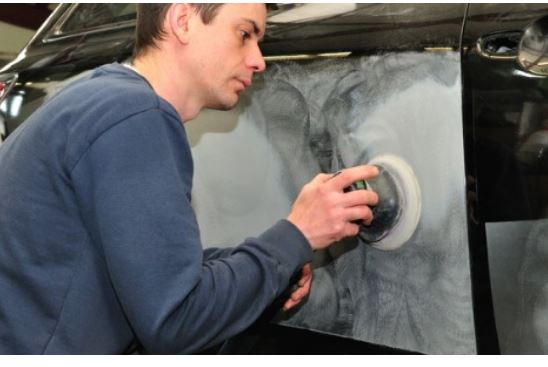
- Surface Preparation: Before painting, auto body repairers prepare the surfaces by sanding, grinding, and applying body filler as necessary. They ensure the surfaces are smooth, even, and free of imperfections to achieve a seamless finish.
- Painting and Refinishing: Auto body repairers are responsible for painting the repaired areas to match the original color of the vehicle. They use paint mixing and matching techniques, spray guns, and other equipment to apply paint evenly and achieve a professional finish. They may also apply clear coats and perform color blending to ensure a seamless transition between the repaired and original areas.
- Detailing and Assembly: Once the repairs and painting are complete, auto body repairers reassemble the vehicle, installing repaired or replaced parts, such as trims, moldings, lights, and mirrors. They ensure proper fitment and alignment of these components.
- Quality Control: Auto body repairers perform thorough quality control checks to ensure the repaired vehicle meets industry standards and customer requirements. They inspect the work for any imperfections, paint flaws, or functional issues and make necessary adjustments or corrections.
- Customer Communication: Auto body repairers often communicate with customers, insurance companies, and other stakeholders involved in the repair process. They provide updates on the progress of repairs, explain repair procedures and costs, and address any concerns or questions.
- Equipment Maintenance: Auto body repairers are responsible for maintaining and cleaning their tools and equipment. They ensure that all equipment is in good working condition and report any malfunctions or repair needs to the appropriate personnel.
Types of Auto Body Repairers
There are several types of auto body repairers specializing in different areas. Here are some common types:
- General Auto Body Repairer: These repairers handle a wide range of vehicle damage, including repairing dents, scratches, and rust, as well as replacing damaged panels and performing basic painting and refinishing work.
- Frame Repair Technician: Frame repair technicians specialize in repairing and aligning the structural frames of vehicles that have been involved in accidents. They use specialized equipment to measure and straighten the frame to restore its original shape and ensure the vehicle's safety and stability.
- Automotive Paint Technician: Automotive paint technicians specialize in applying paint and finish to vehicles. They are skilled in color matching, surface preparation, spray-painting techniques, and applying clear coats. They work to restore the vehicle's appearance and protect it from corrosion.
- Refinishing Technician: Refinishing technicians focus on restoring the appearance of damaged or worn-out vehicle finishes. They perform tasks such as sanding, buffing, polishing, and applying clear coats to achieve a smooth and glossy finish.
- Dent Repair Technician: Dent repair technicians specialize in removing dents from vehicle bodies without the need for major repairs or paintwork. They use various techniques such as paintless dent repair (PDR) to carefully massage and reshape the damaged area.
- Trim and Glass Installer: These repairers specialize in repairing and replacing vehicle windows, windshields, mirrors, and other glass components. They may also work on installing or repairing vehicle trims, such as moldings, door handles, and emblems.
- Customization and Restoration Specialist: Customization and restoration specialists focus on modifying and enhancing vehicles according to the owner's preferences. They may specialize in custom paint jobs, body kits, performance upgrades, interior modifications, and classic car restoration.
Workplace of an Auto Body Repairer
The workplace of an auto body repairer can vary depending on the type of repair facility they work in. It could be an independent auto body shop, a dealership, a collision repair center, or even a custom car restoration garage. Here's a description of what the workplace of an auto body repairer might be like:
Auto body repairers typically work indoors in a well-equipped and organized repair facility. The shop floor is where most of the repair work takes place. It is usually spacious to accommodate multiple vehicles at a time, allowing technicians to work on different projects simultaneously. The shop floor may have designated areas for different repair tasks such as bodywork, painting, frame repair, and detailing.
The shop is usually equipped with specialized tools and equipment specific to auto body repair. This may include dent repair tools, frame straightening machines, welding equipment, paint booths with proper ventilation, sanders, grinders, and spray guns. The presence of these tools enables technicians to efficiently carry out their repair tasks with precision and quality.
In addition to the shop floor, there are often designated areas for administrative tasks, customer service, and estimation. These areas may include offices, customer waiting areas, and estimation bays where repairers interact with customers, assess vehicle damage, and provide cost estimates for repairs.
Auto body repairers typically work in teams or alongside other technicians and professionals. Collaboration and effective communication within the team are essential to ensure that repairs are completed efficiently and accurately. They may interact with colleagues such as frame repair technicians, paint technicians, estimators, parts specialists, and administrative staff.
Due to the nature of the work, auto body repairers may encounter some physical demands. They may spend long hours on their feet, bending, stooping, and lifting heavy parts or equipment. Personal protective equipment (PPE) such as safety glasses, gloves, and masks may be required to ensure the safety and well-being of the technicians.
How to become an Auto Body Repairer
Becoming an auto body repairer requires a combination of education, training, and hands-on experience. Here's a guide on how to pursue a career as an auto body repairer:
- Obtain a high school diploma or GED: A high school diploma or its equivalent is typically the minimum educational requirement for entry into the field. Make sure to focus on courses such as automotive technology, mathematics, and physics, as they provide a solid foundation for your future career.
- Research and enroll in a vocational or technical program: Look for vocational schools, community colleges, or technical institutes that offer auto body repair programs. These programs provide formal training in auto body repair techniques, collision repair, refinishing, and related skills. Ensure that the program is accredited and offers comprehensive training.
- Complete an auto body repair program: Enroll in and successfully complete the chosen auto body repair program. These programs typically last from six months to two years and offer a combination of classroom instruction and hands-on training. During the program, you will learn about body repair techniques, painting and refinishing, frame alignment, welding, and other essential skills.
- Consider an apprenticeship: While not always required, participating in an apprenticeship program can provide valuable real-world experience and enhance your job prospects. Seek out apprenticeship opportunities offered by auto body repair shops, dealerships, or industry associations. Apprenticeships involve working under the guidance of experienced professionals, allowing you to learn and refine your skills on the job.
- Gain practical experience: Seek entry-level positions or internships at auto body repair shops to gain practical experience. This hands-on experience will help you develop your skills further, understand the workflow of a repair shop, and become familiar with the tools and equipment used in the industry.
- Obtain certification: Although certification is voluntary, it is highly recommended as it demonstrates your competence and expertise as an auto body repairer (see below).
- Continue professional development: Auto body repair technology is constantly evolving, so it's crucial to stay updated with the latest techniques and industry trends. Participate in workshops, seminars, and training programs to enhance your skills and knowledge. This ongoing professional development will help you stay competitive in the field.
- Build a network and seek employment: Network with professionals in the auto body repair industry, attend job fairs, and make use of online job boards to find employment opportunities. Consider reaching out to local auto body repair shops, dealerships, and insurance companies to inquire about job openings.
- Start your career as an auto body repairer: Once you secure a position, continue to refine your skills, learn from experienced technicians, and strive to provide high-quality repair work. Over time, you can gain experience and potentially advance to positions with more responsibility or specialize in a specific area of auto body repair.
Certifications
In the United States, there are several certifications available for auto body repairers that demonstrate their skills, knowledge, and expertise in the field. Here are some of the notable certifications:
ASE (National Institute for Automotive Service Excellence) Certifications
- ASE Collision Repair and Refinish Certifications: These certifications cover various aspects of collision repair, such as non-structural analysis and damage repair, painting and refinishing, and structural analysis and damage repair.
- ASE Master Collision Repair and Refinish Technician: This certification is achieved by obtaining multiple ASE collision repair certifications and meeting specific experience requirements.
I-CAR (Inter-Industry Conference on Auto Collision Repair) Certifications
- ProLevel certifications: These certifications demonstrate proficiency in specific roles within the collision repair industry, such as Estimator, Non-Structural Technician, Steel Structural Technician, and Refinish Technician.
- Welding Training and Certification: I-CAR offers welding certifications for technicians involved in welding and joining processes used in auto body repair.
OEM Certifications
Original Equipment Manufacturer (OEM) certifications are offered by vehicle manufacturers to ensure that auto body repairers are trained to repair their specific makes and models. These certifications focus on manufacturer-specific repair procedures and techniques. Examples of OEM certifications include:
- Audi Authorized Collision Repair
- BMW Certified Collision Repair Center
- Mercedes-Benz Certified Collision Center
- General Motors Certified Collision Repair Network
It's worth noting that requirements for certifications may vary, and some certifications may have prerequisites, such as work experience or completing specific training programs. Additionally, some employers or insurance companies may have their own certification requirements.
Skills Needed for an Auto Body Repairer
- Vehicle Body Repair – Repair dents, damaged panels, and vehicle frames.
- Metalworking Skills – Shape, weld, and replace damaged metal parts.
- Painting and Refinishing – Prepare surfaces and apply paint for a factory-quality finish.
- Frame Alignment – Use measuring and straightening equipment to restore vehicle structure.
- Welding Techniques – Perform MIG, TIG, and spot welding safely and accurately.
- Tool Proficiency – Operate hand tools, power tools, spray guns, and repair equipment.
- Damage Assessment – Inspect vehicles and determine the extent of collision damage.
- Knowledge of Vehicle Materials – Work with steel, aluminum, fiberglass, and composite materials.
- Attention to Detail – Ensure repairs are smooth, precise, and visually seamless.
- Problem-Solving Skills – Identify the best repair methods for different types of damage.
- Safety Awareness – Follow workplace safety procedures and use protective equipment properly.
- Time Management – Complete repairs efficiently while maintaining high-quality standards.
- Communication Skills – Explain repair needs and progress to customers, estimators, and coworkers.
- Computer Skills – Use computerized estimating systems and repair information software.
- Continuous Learning – Stay updated on new vehicle technologies, repair techniques, and manufacturer standards.
Salary of an Auto Body Repairer
The salary of an Auto Body Repairer varies depending on experience, certifications, employer, and location.
- Entry-level: $30,000–$40,000 per year
- Mid-level: $40,000–$60,000 per year
- Experienced: $60,000–$80,000 per year
- Highly skilled or specialized technicians: $80,000–$100,000+ per year, especially in high-demand regions or luxury and collision repair shops.
Hourly wages typically range from $15 to $40+ per hour, with experienced technicians earning more through certifications, productivity bonuses, and overtime.
In India, Auto Body Repairers typically earn:
- Entry-level: ₹2.0–₹3.0 lakh per year
- Mid-level: ₹3.0–₹5.5 lakh per year
- Experienced: ₹5.5–₹8.0 lakh per year
- Senior specialists or workshop supervisors: ₹8.0 lakh+ per year depending on the employer and expertise.










User's Comments
No comments there.