


Stories you may like
Videographer
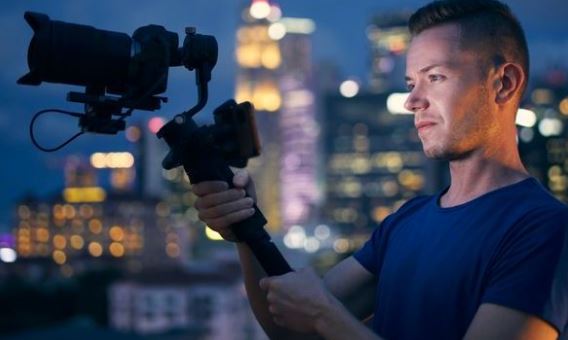
A videographer specializes in capturing and creating video content for various purposes. Often employed in the fields of filmmaking, broadcasting, event coverage, or digital marketing, videographers play an important role in visually storytelling through the lens of a camera. They use their expertise in cinematography, camera operation, and video editing to produce visually compelling and engaging videos that align with the creative vision of their clients or employers.
Videographers may work independently as freelancers, collaborating with clients on projects such as promotional videos, documentaries, or event coverage. Alternatively, they may be part of production teams within media companies, advertising agencies, or in-house creative departments, contributing their skills to a wide range of visual storytelling projects.
Duties and Responsibilities
The duties and responsibilities of a videographer span the entire video production process, from conceptualization to the final edit. Here are key responsibilities associated with this role:
- Conceptualization: Collaborate with clients, directors, or producers to understand the creative vision and goals of the project. Contribute ideas for visual storytelling and determine the overall look and feel of the video.
- Scripting and Storyboarding: Develop scripts or storyboards that outline the sequence of shots, scenes, and actions. Plan camera angles, transitions, and other visual elements.
- Camera Operation: Operate cameras and other video recording equipment to capture high-quality footage. Choose appropriate lenses, frame shots, and ensure proper lighting conditions for optimal image quality.
- Audio Capture: Record high-quality audio using microphones or other audio recording equipment. Ensure clear and synchronized audio to complement the visual content.
- Direction and Guidance: Direct talent, if applicable, providing guidance on movements, expressions, and actions to achieve the desired visual narrative.
- Video Editing: Edit raw footage using video editing software to create a cohesive and visually appealing final product. Arrange clips, add transitions, incorporate special effects, and synchronize audio for a polished result.
- Color Correction and Grading: Enhance or modify the colors in post-production to achieve a consistent and visually appealing look. Adjust brightness, contrast, and color saturation as needed.
- Sound Editing: Edit and mix audio tracks, including dialogue, music, and sound effects. Ensure proper synchronization and balance between different audio elements.
- Graphics and Effects: Incorporate graphics, animations, or visual effects to enhance the overall quality and storytelling impact of the video.
- Collaboration and Communication: Communicate effectively with clients to understand their expectations, provide updates on progress, and incorporate feedback throughout the production process. Work closely with other members of the production team, such as directors, producers, and fellow videographers, to ensure a seamless and cohesive production.
- Adherence to Deadlines and Budgets: Manage time effectively to meet project deadlines. Stay within budget constraints and optimize resources for efficient video production.
Types of Videographers
Videographers can specialize in various areas based on their expertise, skills, and the specific needs of their clients or industries. Here are some types of videographers, each focusing on different aspects of video production:
- Wedding Videographer: Specializes in capturing weddings, including pre-ceremony preparations, the ceremony, and reception. Wedding videographers create cinematic narratives that document the couple's special day.
- Corporate Videographer: Works with businesses and organizations to produce videos for internal or external use. This may include promotional videos, training videos, corporate events coverage, and interviews with key personnel.
- Documentary Videographer: Specializes in shooting documentaries, capturing real-life events, interviews, and narratives. Documentary videographers often work on projects that require a storytelling approach to convey factual information.
- Event Videographer: Covers live events such as conferences, concerts, seminars, and parties. Event videographers focus on capturing the highlights and atmosphere of the event for documentation or promotional purposes.
- Advertising Videographer: Creates video content for advertising purposes, including commercials, online ads, and promotional campaigns. Advertising videographers often collaborate with creative agencies to convey a brand's message effectively.
- Music Video Director/Videographer: Collaborates with musicians and record labels to produce music videos. Music video directors and videographers work closely with artists to visually represent the themes and emotions of a song.
- Travel Videographer: Specializes in capturing travel experiences, documenting landscapes, cultures, and adventures. Travel videographers often create content for online platforms, showcasing destinations to a wider audience.
- Educational Videographer: Creates instructional or educational videos for academic institutions, online courses, or e-learning platforms. Educational videographers focus on delivering information in a visually engaging manner.
- Sports Videographer: Covers sporting events, capturing highlights, player interviews, and behind-the-scenes footage. Sports videographers often work with sports teams, media outlets, or sports organizations.
- Fashion Videographer: Collaborates with fashion designers, brands, or models to create visually stunning videos for promotional or editorial purposes. Fashion videographers capture runway shows, behind-the-scenes footage, and promotional content.
- Real Estate Videographer: Creates videos to showcase residential or commercial properties for sale or rent. Real estate videographers highlight property features, neighborhoods, and amenities to attract potential buyers or tenants.
- Drone Videographer: Utilizes drones to capture aerial footage for various purposes, including real estate, travel, events, and cinematography. Drone videographers require certification and skills in aerial cinematography.
- Food Videographer: Specializes in capturing culinary creations, food styling, and cooking processes. Food videographers often work with restaurants, chefs, or food brands to create visually appealing content.
- Virtual Reality (VR) Videographer: Creates immersive video content for virtual reality experiences. VR videographers use specialized equipment to capture 360-degree footage, providing an interactive and immersive viewer experience.
Workplace of a Videographer
The workplace of a videographer is dynamic and can vary depending on the type of projects they are involved in and whether they work as freelancers or as part of a production team within an organization. Many videographers find themselves working on location, capturing footage in diverse environments that align with the nature of the project. For example, wedding videographers may work in various venues, corporate videographers might be on-site at businesses, and documentary videographers may find themselves in a range of real-world settings.
Freelance videographers often have the flexibility to choose their workplaces based on client requirements. They may operate out of their own studios or home offices for pre-production tasks such as scripting, editing, and administrative work. However, a significant portion of their time is spent on-site during shoots, where they navigate different locations, manage equipment, and coordinate with clients or production teams.
Videographers employed by media companies, advertising agencies, or production studios typically work in collaborative environments. These workplaces are equipped with professional video production equipment, editing suites, and other resources essential for the entire video production process. In-house videographers may also have the opportunity to collaborate closely with directors, producers, and other creative professionals, fostering a team-oriented atmosphere.
Advancements in technology have enabled remote work for certain aspects of videography, especially during pre-production and post-production phases. Videographers often use specialized software and editing tools to craft and refine their work. Virtual collaboration platforms allow for communication with clients, colleagues, and stakeholders, reducing the need for physical presence in an office setting.
Regardless of the specific workplace, videographers should be adaptable and prepared to work in various conditions. They may need to transport and set up equipment, manage different lighting scenarios, and accommodate the unique requirements of each project. The nature of the work often involves a blend of creative expression, technical proficiency, and effective communication, making the workplace of a videographer a dynamic and ever-evolving space.
How to become a Videographer
Becoming a videographer involves a combination of education, hands-on experience, and building a strong portfolio. Here's a guide to help you embark on a career as a videographer:
- Educational Background: While a formal degree is not always required, consider pursuing education in fields such as film production, media studies, cinematography, or a related discipline. Many videographers have bachelor's degrees, but practical experience and a strong portfolio are often just as important.
- Invest in Equipment: Acquire basic videography equipment such as a camera, tripod, microphone, and video editing software. As your skills progress, you may consider upgrading your equipment to meet the demands of professional projects.
- Gain Practical Experience: Start gaining hands-on experience by working on personal projects, volunteering, or collaborating with friends who share an interest in videography. Experiment with different styles, techniques, and equipment to build your skills.
- Learn Video Editing: Familiarize yourself with video editing software such as Adobe Premiere Pro, Final Cut Pro, or DaVinci Resolve. Proficiency in editing is a vital skill for videographers.
- Build a Portfolio: Create a portfolio showcasing your best work. Include a variety of projects that highlight your skills in shooting and editing. A well-curated portfolio is essential when applying for jobs or freelancing opportunities.
- Internships and Entry-Level Positions: Look for internships or entry-level positions in media production companies, advertising agencies, or studios. These opportunities provide valuable on-the-job training and industry insights.
- Develop a Specialization: Consider specializing in a specific niche within videography, such as wedding videography, corporate videos, documentary filmmaking, or advertising. Specializing can help you stand out and attract clients in your chosen field.
- Create an Online Presence: Establish an online presence by creating a professional website or portfolio. Use social media platforms to showcase your work, connect with potential clients, and stay engaged with the videography community.
- Freelancing and Building Client Relationships: Explore freelancing opportunities to build your client base. Develop effective communication skills to understand clients' needs and deliver projects that meet their expectations.
- Consider Certification (Optional): While not mandatory, certifications from organizations such as the International Videography Association (IVA) or the Wedding and Event Videographers Association International (WEVA) can enhance your credibility (see below).
Certifications
There are optional certifications that videographers can pursue to enhance their credentials and showcase their expertise:
- Adobe Certified Professional: Adobe offers certifications for various software, including Adobe Premiere Pro, which is a widely used video editing software. Becoming an Adobe Certified Professional demonstrates proficiency in using Premiere Pro for video editing.
- Final Cut Pro X Certification: Apple provides certification programs for Final Cut Pro X, another popular video editing software. This certification validates your skills in using Final Cut Pro for professional video editing.
- Avid Certified User: Avid offers certifications for users of Avid Media Composer, a professional video editing software. Earning an Avid Certified User credential demonstrates proficiency in using Avid's editing tools.
- Certified Wedding and Event Videographer (CEV): The Wedding and Event Videographers Association International (WEVA) offers the CEV certification. It focuses on the skills and knowledge needed specifically for wedding and event videography.
- International Videography Association (IVA) Certification: IVA provides certifications for videographers covering various aspects of video production. Their certifications may include modules on shooting techniques, equipment usage, and post-production skills.
- Drone Pilot Certification (FAA Part 107): If you plan to incorporate drone videography into your services, obtaining a Remote Pilot Certificate under FAA Part 107 is essential. This certification allows you to legally operate drones for commercial purposes.
Skills
A successful videographer needs a combination of technical expertise, creativity, and interpersonal skills. Here are the key skills needed for a videographer:
Technical Skills
- Camera operation and settings (ISO, aperture, shutter speed, frame rates)
- Video composition and framing
- Lighting setup for indoor and outdoor shoots
- Audio recording and microphone handling
- Drone videography (where licensed and applicable)
- Video editing using software such as Adobe Premiere Pro, Final Cut Pro, or DaVinci Resolve
- Color correction and color grading
- Motion graphics and basic visual effects
- File management, video formats, and exporting
- Live streaming and multi-camera production (optional but valuable)
Creative Skills
- Storytelling through video
- Creative shot planning and sequencing
- Visual aesthetics and cinematography
- Script interpretation and shot visualization
- Attention to detail
- Creativity and artistic vision
- Understanding of pacing and timing
- Branding and content creation for different platforms
Communication Skills
- Strong communication with clients and team members
- Interviewing and directing subjects on camera
- Active listening
- Presentation and collaboration skills
- Customer service and professionalism
Organizational Skills
- Project planning and scheduling
- Time management
- Equipment organization and maintenance
- Budget awareness
- Meeting deadlines
- Managing multiple projects simultaneously
Problem-Solving Skills
- Quick troubleshooting of camera, lighting, or audio issues
- Adapting to changing weather and lighting conditions
- Creative problem-solving during shoots
- Managing unexpected production challenges
Business Skills
- Client relationship management
- Marketing and personal branding
- Social media content strategy
- Negotiation and pricing
- Basic invoicing and business management
- Portfolio development
Personal Qualities
- Creativity
- Patience
- Adaptability
- Reliability
- Attention to detail
- Confidence
- Willingness to learn new technologies
- Passion for visual storytelling
Developing these skills enables videographers to produce high-quality content for industries such as film, television, advertising, corporate communications, weddings, social media, news, and online content creation.
Salary
The salary of a videographer varies depending on experience, location, industry, and whether they work as a freelancer or full-time employee.
Average Annual Salary
- Entry-level (0–2 years): ₹2.5 lakh – ₹4.5 lakh per year
- Mid-level (3–5 years): ₹4.5 lakh – ₹7 lakh per year
- Experienced (6–10 years): ₹7 lakh – ₹12 lakh per year
- Senior/Lead Videographer: ₹12 lakh – ₹20 lakh+ per year
Freelance Videographer Earnings
- Small projects: ₹5,000 – ₹20,000 per project
- Corporate videos: ₹20,000 – ₹1,00,000+ per project
- Wedding videography: ₹25,000 – ₹2,00,000+ per event
- Commercial and film projects: ₹50,000 to several lakh rupees per project, depending on the scope and client.
Factors That Influence Salary
- Experience and portfolio
- Expertise in cinematography and video editing
- Proficiency with professional cameras, drones, and editing software
- Industry (film, television, advertising, corporate, news, or social media)
- Geographic location
- Freelance reputation and client base
Skilled videographers with strong editing abilities, drone videography expertise, and experience creating content for digital platforms can earn significantly more, especially when working with premium clients or running their own production business.










User's Comments
No comments there.