

Stories you may like
Public Information Officer
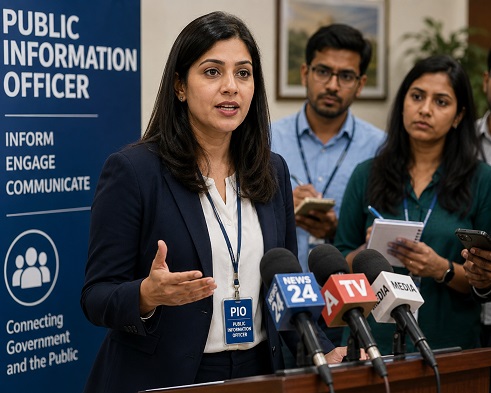
A public information officer (PIO) is responsible for managing communication between government agencies and the public. These professionals work in various government departments, such as public health, emergency services, and law enforcement. Their main job is to ensure that accurate and timely information is shared with the public, especially during emergencies or significant events.
The role of a public information officer includes preparing press releases, organizing press conferences, and serving as the primary contact for the media. They provide important updates and information to keep the public informed and safe. For example, during a natural disaster, a PIO would share details about evacuation routes, safety measures, and relief efforts. Their goal is to ensure that the public receives clear and reliable information to make informed decisions.
Duties and Responsibilities
The duties and responsibilities of a public information officer include a range of tasks designed to manage and facilitate communication between government agencies and the public. Here are the key duties:
- Communication Management: Public information officers (PIOs) handle the preparation and distribution of press releases, statements, and reports to ensure the public receives accurate and timely information. They manage media relations by acting as the primary contact for journalists, organizing press conferences, and providing interviews to facilitate effective coverage of important events and updates.
- Crisis Communication: During emergencies, such as natural disasters or public health crises, PIOs provide crucial information to the public, including safety measures and evacuation procedures. They work to counter misinformation by delivering clear, accurate updates to help manage public perception and minimize confusion.
- Public Engagement: PIOs engage with the community through social media, public meetings, and community events, addressing concerns and gathering feedback. They build and maintain positive relationships with media representatives and community leaders to foster trust and ensure effective communication with the public.
- Coordination and Planning: PIOs develop and implement strategic communication plans that align with their agency’s goals. They coordinate messaging across departments and agencies to ensure consistency and clarity, and they monitor media coverage and public response to adjust strategies and improve communication efforts.
Types of Public Information Officers
Public information officers (PIOs) can work in various sectors and specialize in different areas depending on their roles and the needs of their organizations. Here are some common types of PIOs:
- Government PIO: Government PIOs work for federal, state, or local government agencies. They manage communication for agencies such as police departments, fire departments, public health departments, and city or county offices. Their role often involves handling press releases, organizing public briefings, and providing information during emergencies or policy changes.
- Emergency Management PIO: Emergency management PIOs specialize in communication during crises and disasters. They work with agencies like the Federal Emergency Management Agency (FEMA) or local emergency management offices, coordinating public information efforts during natural disasters, public health emergencies, and other critical incidents.
- Healthcare PIO: Healthcare PIOs are employed by hospitals, health departments, or public health organizations. They focus on communicating health-related information, such as disease outbreaks, vaccination programs, and public health initiatives. Their role includes managing media relations and providing clear health information to the public.
- Corporate PIO: Corporate PIOs work within private companies or corporations. They handle internal and external communications, manage media relations, and work on public relations campaigns. Their responsibilities include promoting the company’s image, managing crises, and ensuring consistent messaging across various channels.
- Non-Profit PIO: Non-profit PIOs work for non-governmental organizations (NGOs) and charitable organizations. They manage communications to promote the organization's mission, manage fundraising campaigns, and handle media relations. Their role involves increasing public awareness and support for their cause.
- Educational PIO: Educational PIOs work in schools, colleges, and universities. They manage communications related to educational programs, campus events, and institutional announcements. Their role often involves handling media inquiries, coordinating public relations efforts, and engaging with students, parents, and the community.
Workplace of a Public Information Officer
The workplace of a public information officer (PIO) can vary depending on their specific role and the type of organization they work for. Generally, PIOs work in office environments where they have access to communication tools and resources such as computers, telephones, and media monitoring systems. They often spend their time drafting press releases, preparing reports, and coordinating with media representatives. The office setting is typically equipped with the necessary technology for handling communications and managing information efficiently.
During emergencies or significant events, the workplace of a PIO may shift to a more dynamic and high-pressure environment. For instance, in a crisis situation, PIOs might work from a dedicated emergency operations center or a temporary command center set up to manage the incident. Here, they collaborate closely with other officials, emergency responders, and media personnel to provide timely updates and handle the flow of information. The atmosphere in these situations can be intense, requiring quick decision-making and effective communication under pressure.
In addition to office and emergency settings, PIOs may also spend time on-site at public events, press conferences, or community meetings. They might travel to various locations to engage with the public, address media inquiries, and provide firsthand updates. This aspect of the job requires flexibility and adaptability, as PIOs must be prepared to work in different environments and manage communication efforts across diverse settings.
How to become a Public Information Officer
Becoming a public information officer (PIO) involves a combination of education, experience, and skills. Here are the typical steps to pursue this career:
- Educational Background: Start with obtaining a relevant educational degree. Most PIOs have a bachelor’s degree in fields such as communications, journalism, public relations, or a related discipline. Some positions, especially in specialized or senior roles, may require a master’s degree or additional coursework in areas like crisis communication or public administration.
- Gain Relevant Experience: Acquire experience in communication, public relations, or media roles. This can include internships, volunteer work, or entry-level positions in these fields. Experience in roles such as media relations assistant, communications coordinator, or public relations specialist will help build the skills needed for a PIO position. Focus on gaining experience with writing press releases, managing media inquiries, and organizing public events.
- Develop Key Skills: Build essential skills for the role. These include strong writing and editing abilities, public speaking, media relations, crisis management, and the use of digital communication tools. Being adept at managing high-pressure situations and working effectively with various stakeholders is also crucial.
- Network and Build Professional Relationships: Networking is important in this field. Join professional organizations such as the Public Relations Society of America (PRSA) or the International Association of Business Communicators (IABC). Attend industry events, engage with professionals in the field, and seek mentorship opportunities to expand your professional connections.
- Apply for PIO Positions: Look for job openings in government agencies, public health departments, emergency management offices, or other organizations where PIOs are employed. Tailor your resume and cover letter to highlight your relevant experience and skills. Be prepared for a competitive job market and consider applying for related roles to build additional experience if needed.
- Pursue Certification (Optional): While not always required, obtaining certification in public relations or crisis communication can enhance your qualifications. Certifications from organizations such as the Public Relations Society of America (PRSA) or the International Association of Public Safety Communications Officials (APCO) can demonstrate your expertise and commitment to the field.
Certifications
Certifications can enhance your qualifications as a public information officer (PIO) by demonstrating specialized knowledge and commitment to the field. Here are some relevant certifications:
- Accreditation in Public Relations (APR): Offered by the Public Relations Society of America (PRSA), the APR certification showcases a professional's high level of competence in public relations. It encompasses areas such as communication theory, media relations, crisis communication, and ethics. Candidates need at least five years of experience in the field, must pass a readiness review, and complete a comprehensive exam to earn this accreditation.
- Certified Public Information Officer (PIO): The Federal Emergency Management Agency (FEMA) and the Emergency Management Institute (EMI) provide the Certified PIO certification, focusing on the skills required to manage public information during emergencies. The certification program includes coursework on media relations, crisis communication, and emergency management, culminating in the successful passing of associated exams.
- Certified Crisis Communication Professional (CCCP): The Institute for Crisis Management (ICM) offers the CCCP certification, which prepares professionals to handle communication effectively during crises. This certification covers planning for crisis communication, managing media relations during crises, and developing post-crisis communication strategies. Candidates must complete specific training programs and pass a certification exam.
- Health Communication Certification: The Centers for Disease Control and Prevention (CDC) provides this certification tailored for professionals in public health communication. It covers best practices in health communication, risk communication, and the use of digital media for health promotion. Candidates must complete specific training modules offered by the CDC to earn this certification.
- Digital Marketing and Social Media Certification: Various organizations, including the American Marketing Association (AMA) and HubSpot Academy, offer certifications in digital marketing and social media. These certifications focus on strategies for digital marketing, managing social media platforms, and creating engaging content. Candidates typically complete online courses and pass exams to achieve certification, which is beneficial for PIOs using digital platforms for public communication.
- Certified Public Relations Counselor (CPRC): Provided by the Florida Public Relations Association (FPRA), the CPRC certification is designed for senior public relations professionals. It focuses on strategic communication, leadership, and advanced public relations practices. To qualify, candidates must have at least ten years of experience in public relations, pass a comprehensive exam, and undergo a peer review process.
Skills Needed for a Public Information Officer
- Excellent Written Communication – Ability to write clear, accurate, and engaging press releases, reports, and public statements.
- Public Speaking – Confidence in delivering speeches, media briefings, and presentations.
- Media Relations – Building and maintaining positive relationships with journalists and media organizations.
- Strategic Communication – Planning and implementing effective communication campaigns.
- Crisis Communication – Managing public messaging during emergencies or sensitive situations.
- Interpersonal Skills – Working effectively with government officials, stakeholders, and the public.
- Research and Information Gathering – Collecting, verifying, and presenting accurate information.
- Digital and Social Media Management – Managing online communication through websites and social media platforms.
- Content Creation – Developing newsletters, speeches, articles, brochures, videos, and other communication materials.
- Editing and Proofreading – Ensuring all communications are grammatically correct, consistent, and professional.
- Analytical Thinking – Evaluating public opinion, media coverage, and communication effectiveness.
- Problem-Solving – Addressing communication challenges and responding to public concerns effectively.
- Organization and Time Management – Managing multiple projects, deadlines, and events simultaneously.
- Attention to Detail – Ensuring accuracy and consistency in all public communications.
- Leadership and Teamwork – Coordinating with internal departments, media teams, and external partners.
- Ethics and Integrity – Maintaining transparency, confidentiality, and professionalism while communicating with the public.
- Adaptability – Responding quickly to changing situations and evolving communication needs.
- Knowledge of Public Relations Principles – Understanding branding, reputation management, and stakeholder engagement.
- Technical Skills – Proficiency in Microsoft Office, content management systems (CMS), graphic design basics, and communication tools.
- Cultural Awareness – Communicating effectively with diverse audiences while respecting cultural differences.
Salary
The salary of a Public Information Officer (PIO) varies depending on the employer, experience, location, and level of responsibility.
- Entry-level (0–2 years): $45,000–$60,000 per year
- Mid-level (3–7 years): $60,000–$85,000 per year
- Experienced (8+ years): $85,000–$110,000 per year
- Senior Public Information Officer/Communications Director: $110,000–$140,000+ per year
Average Salary by Region
- United States: Approximately $70,000–$90,000 per year
- Canada: CAD 65,000–95,000 per year
- United Kingdom: £35,000–£60,000 per year
- Australia: AUD 80,000–120,000 per year
- India: ₹4 lakh–₹12 lakh per year, with senior Public Information Officers in government agencies, public sector organizations, or large corporations earning ₹15 lakh–₹25 lakh+ per year.
Public Information Officers working for national government agencies, multinational organizations, healthcare systems, universities, or large corporations typically earn higher salaries than those employed by smaller organizations. Advanced experience in public relations, crisis communication, and media management can further increase earning potential.











User's Comments
No comments there.