


Stories you may like
Research Chef
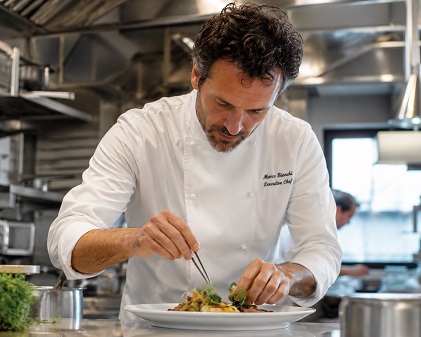
A research chef blends the disciplines of culinary arts and food science to develop new food products, recipes, and techniques for the food industry. They apply scientific principles to food production and uses their culinary skills to create innovative and delicious new dishes.
Research chefs may work in a variety of settings, such as food manufacturing companies, restaurants, or test kitchens, and are responsible for developing recipes, testing new products, and ensuring that the taste, appearance, and nutritional value of food products meet customer expectations. They may also work with food scientists, nutritionists, and other professionals to create new and innovative food products that meet specific dietary needs or address emerging food trends.
Research chefs play a crucial role in the food industry, as they are responsible for creating innovative and delicious food products that meet the demands and preferences of consumers. They use their knowledge of food science, culinary techniques, and market trends to develop new recipes, improve existing ones, and ensure that the products meet safety and quality standards.
Research chefs work closely with food manufacturers, suppliers, and marketing teams to bring new products to the market and help companies stay ahead of the competition. By continuously experimenting with new ingredients, flavors, and cooking methods, research chefs contribute to the advancement of the food industry and enhance the overall culinary experience for consumers.
Duties and Responsibilities
Some of the specific duties and responsibilities of a research chef include:
- Research and Development: Research chefs stay up-to-date with food trends, market research, and culinary techniques to create innovative new products. They work closely with marketing and product development teams to identify consumer needs and preferences, and use this information to create new recipes.
- Recipe Creation and Testing: Once a recipe idea is developed, research chefs create and test it in the kitchen to ensure it tastes delicious and meets quality and safety standards. They may adjust ingredients, cooking methods, or portion sizes to optimize the recipe.
- Quality Control: Research chefs are responsible for ensuring that food products meet regulatory requirements and consumer expectations for quality and safety. They develop and implement quality control procedures, such as taste testing and lab analysis, to ensure that products meet these standards.
- Product Optimization: Research chefs may also work on improving existing products by making adjustments to ingredients or cooking techniques to optimize taste, texture, and nutritional value. This can help to extend the life of a product and make it more appealing to consumers.
- Cost Management: Research chefs work with suppliers to source high-quality ingredients at the best prices, without sacrificing quality. They may also develop cost-saving strategies, such as using more affordable ingredients without compromising on taste or quality.
- Collaboration: Research chefs collaborate with other departments, such as marketing, sales, and production, to ensure that new products are successful in the market. They may provide input on packaging design, marketing campaigns, and product promotions.
- Menu Development: Research chefs may be responsible for developing menus for restaurants, food service companies, and other food businesses. They may work with chefs and restaurant managers to identify popular dishes and create new offerings that will appeal to customers.
- Food Safety: Research chefs are responsible for ensuring that food products are safe to consume by adhering to food safety regulations and conducting food safety training for employees. They may also work to develop and implement food safety procedures to prevent contamination and ensure product safety.
Types of Research Chefs
There are several types of research chefs who specialize in different areas of the food industry. Here are some of the most common types and what they do:
- Product Development Chef: A product development chef is responsible for creating new food products that meet consumer demand and industry trends. They work closely with product development teams to ensure that the products are safe, high-quality, and profitable.
- Culinary R&D Chef: A culinary R&D chef focuses on developing new recipes and culinary techniques to create unique and innovative food products. They use their knowledge of food science and culinary arts to develop products that meet consumer preferences while staying within budget constraints.
- Menu Development Chef: A menu development chef is responsible for creating menus for restaurants, hotels, and other food service establishments. They work with chefs and restaurant managers to create dishes that are popular, profitable, and reflect the restaurant's brand.
- Food Scientist: A food scientist uses their knowledge of chemistry, microbiology, and food processing to develop and improve food products. They may work on developing new preservatives, flavorings, and other food additives to improve the taste, texture, and nutritional value of food products.
- Sensory Scientist: A sensory scientist focuses on understanding how consumers perceive food products. They conduct taste tests, surveys, and other research to determine consumer preferences and develop products that meet these preferences.
- Quality Control Chef: A quality control chef is responsible for ensuring that food products meet safety and quality standards. They develop and implement quality control procedures to ensure that products are safe and meet regulatory requirements.
Workplace of a Research Chef
The workplace of a research chef can vary depending on the industry they work in. Research chefs may work in food manufacturing plants, research and development labs, test kitchens, or corporate headquarters. Regardless of the specific workplace, research chefs can expect a dynamic and fast-paced environment where they are constantly developing new products and recipes.
In food manufacturing plants, research chefs may spend much of their time in the production facility, working with production staff to ensure that new products are being produced correctly and efficiently. They may also work in a test kitchen within the facility to develop new products, conduct quality control testing, and train production staff on new recipes.
In research and development labs, research chefs may spend more time conducting food science experiments and testing new ingredients. They may work with a team of food scientists and other researchers to develop new food products, conduct sensory testing, and analyze food samples in a laboratory setting.
In test kitchens, research chefs may spend most of their time developing new recipes and conducting taste tests to ensure that new products meet consumer preferences. They may also work with chefs and culinary experts to improve existing recipes or develop new culinary techniques.
In corporate headquarters, research chefs may work with marketing, sales, and other departments to develop new products and launch new marketing campaigns. They may also work with suppliers to source high-quality ingredients and manage product costs.
How to become a Research Chef
To become a research chef, you typically need to have a combination of culinary and scientific knowledge and experience. Here are the general steps you can follow to become a research chef:
- Get a culinary education: A culinary arts degree or training is the foundation for a career as a research chef. Consider enrolling in a culinary school or program to gain the necessary knowledge and skills.
- Gain experience in the food industry: To become a research chef, you need experience in the food industry. Consider working in restaurants, catering companies, or other food-related businesses to gain experience and learn about the food production process.
- Study food science: In addition to culinary training, a research chef should also have a strong understanding of food science. Consider enrolling in food science courses at a college or university, or earning a Bachelor's Degree in Food Science.
- Get certified: Several organizations offer certifications for research chefs, including the Research Chefs Association. Earning a certification can demonstrate your knowledge and experience to potential employers.
- Seek out internships or entry-level positions: To gain experience in research and development, consider seeking out internships or entry-level positions in test kitchens, food manufacturing facilities, or other related businesses.
- Network and build connections: As you gain experience, it's important to network and build connections in the industry. Attend conferences or events related to food science and research, and connect with other professionals in the field.
Certifications
There are several certifications available for research chefs, which can demonstrate their expertise and help them advance in their careers. Here are some of the most well-known certifications for research chefs:
- Certified Research Chef (CRC): Offered by the Research Chefs Association (RCA), the CRC certification is designed for chefs who work in research and development. To earn the certification, candidates must pass a written exam that covers food science, product development, culinary arts, and other relevant topics.
- Certified Culinary Scientist (CCS): Offered by the Institute of Food Technologists (IFT), the CCS certification is designed for professionals who work in food science and technology. To earn the certification, candidates must have a bachelor's degree in a related field, at least five years of experience in food science, and pass a written exam.
- Certified Master Chef (CMC): Offered by the American Culinary Federation (ACF), the CMC certification is designed for chefs who have reached the highest level of culinary expertise. To earn the certification, candidates must pass a rigorous eight-day practical exam that covers culinary skills, food safety, nutrition, and other relevant topics.
- Certified Food Scientist (CFS): Offered by the International Food Science Certification Commission (IFSCC), the CFS certification is designed for professionals who work in food science and technology. To earn the certification, candidates must have a bachelor's degree in a related field, at least five years of experience in food science, and pass a written exam.
- Certified Quality Auditor (CQA): Offered by the American Society for Quality (ASQ), the CQA certification is designed for professionals who work in quality control and assurance. To earn the certification, candidates must have a bachelor's degree in a related field, at least two years of experience in quality control, and pass a written exam.
A Research Chef combines culinary expertise with food science to develop new food products, improve recipes, and create innovative dishes for restaurants, food manufacturers, and consumer brands. Success in this role requires a blend of creative, technical, and business skills.
Skills Needed for a Research Chef
- Culinary Expertise – Strong cooking techniques, recipe development, and knowledge of global cuisines.
- Food Science Knowledge – Understanding of food chemistry, preservation methods, ingredient functionality, and processing techniques.
- Recipe Development – Ability to create, test, refine, and standardize recipes for consistent quality.
- Product Development – Experience designing new food products from concept to commercial production.
- Sensory Evaluation – Ability to assess taste, aroma, texture, appearance, and overall product quality.
- Creativity and Innovation – Developing unique recipes and food concepts that meet consumer trends.
- Nutrition Knowledge – Understanding of nutritional guidelines and the ability to create healthier food options.
- Food Safety and Sanitation – Knowledge of HACCP, food safety regulations, and quality assurance standards.
- Ingredient Knowledge – Familiarity with ingredients, flavor profiles, substitutes, and sourcing options.
- Research Skills – Ability to analyze market trends, consumer preferences, and emerging food technologies.
- Analytical Thinking – Evaluating test results and making data-driven improvements to recipes and products.
- Problem-Solving – Finding solutions to formulation, production, or ingredient challenges.
- Project Management – Managing multiple product development projects while meeting deadlines.
- Communication Skills – Collaborating effectively with chefs, food scientists, marketers, and manufacturing teams.
- Attention to Detail – Ensuring precise measurements, consistency, and product quality throughout development.
- Laboratory and Testing Skills – Conducting product trials, shelf-life testing, and quality evaluations.
- Computer Skills – Using recipe management, product development, and data analysis software.
- Consumer Trend Awareness – Staying updated on food trends, sustainability, plant-based foods, and dietary preferences.
- Business Awareness – Understanding production costs, pricing, and commercial feasibility of food products.
- Adaptability – Adjusting recipes and formulations based on manufacturing requirements or consumer feedback.
- Teamwork – Working closely with cross-functional teams in research, production, quality assurance, and marketing.
Salary
The salary of a Research Chef varies based on experience, industry, location, and employer (food manufacturers, restaurants, research organizations, or consumer goods companies).
- Entry-level (0–2 years): $45,000–$60,000 per year
- Mid-level (3–7 years): $60,000–$85,000 per year
- Experienced (8+ years): $85,000–$120,000+ per year
- Senior Research Chef/R&D Manager: $120,000–$150,000+ per year
Average Salary by Region
- United States: Approximately $75,000–$95,000 per year
- Canada: CAD 60,000–90,000 per year
- United Kingdom: £35,000–£60,000 per year
- Australia: AUD 75,000–110,000 per year
- India: ₹5 lakh–₹15 lakh per year, with senior professionals in large food companies earning ₹18 lakh–₹30 lakh+ per year.
Research chefs working for multinational food companies, product development firms, or leading food manufacturers typically earn higher salaries than those working in smaller organizations. Additional expertise in food science, culinary innovation, and product development can further increase earning potential.











User's Comments
No comments there.