


Stories you may like
Elevator Mechanic
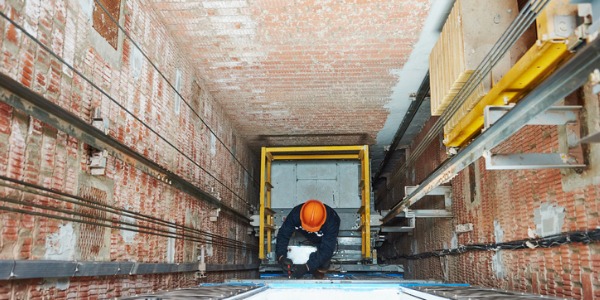
An elevator mechanic specializes in the installation, maintenance, and repair of elevators, escalators, and other vertical transportation systems. Elevator mechanics are responsible for ensuring the safe and efficient operation of these systems, which are vital in various buildings such as residential complexes, commercial buildings, hospitals, and shopping centers.
The work of an elevator mechanic involves a range of tasks. They install new elevator systems, ensuring proper assembly, wiring, and alignment of mechanical components. They conduct routine inspections, maintenance, and servicing to keep elevators in optimal working condition. When problems or malfunctions occur, elevator mechanics diagnose issues using diagnostic tools and equipment, and then perform necessary repairs or component replacements. They also perform upgrades and modernizations to meet safety codes and regulations, as well as improve efficiency and reliability. Elevator mechanics are often required to follow specific safety protocols and adhere to building codes to ensure the safety of passengers and comply with industry standards.
Duties and Responsibilities
The duties and responsibilities of an elevator mechanic typically include:
- Installation and Testing: Elevator mechanics are responsible for installing new elevator systems. They assemble and install mechanical components, electrical wiring, and control panels according to specifications and blueprints. After installation, they conduct comprehensive testing to ensure proper operation, alignment, and safety of the elevator system.
- Maintenance and Repair: Elevator mechanics perform regular maintenance tasks to keep elevators running smoothly and efficiently. This includes inspecting elevator systems, checking for wear and tear, lubricating moving parts, and adjusting components as needed. They also diagnose and troubleshoot issues, such as mechanical failures, electrical malfunctions, or sensor problems. They use specialized tools and diagnostic equipment to identify and resolve problems promptly.
- Component Replacement: When elevator components become worn, damaged, or outdated, elevator mechanics are responsible for replacing them. This may include replacing motors, cables, control panels, buttons, doors, and safety devices. They ensure that new components are properly installed and calibrated to maintain the safe and reliable operation of the elevator system.
- Safety and Code Compliance: Elevator mechanics play a crucial role in ensuring the safety of elevator passengers. They conduct safety inspections, perform tests, and make necessary adjustments to meet safety standards and comply with local codes and regulations. This includes ensuring proper emergency braking, door sensors, interlocks, and fire safety systems are in place and functioning correctly.
- Documentation and Record Keeping: Elevator mechanics maintain detailed records of maintenance, repairs, and inspections performed on elevators. They document the work completed, parts replaced, and any recommendations for future maintenance. Accurate documentation helps track the maintenance history of elevators, aids in troubleshooting, and ensures compliance with regulatory requirements.
- Customer Service: Elevator mechanics often interact with building owners, property managers, and elevator passengers. They may respond to service calls, answer questions, and provide guidance on elevator use and maintenance. Good communication skills and a customer-focused approach are important in ensuring client satisfaction and addressing any concerns or inquiries.
Types of Elevator Mechanics
There are various types of elevator mechanics, each specializing in different areas of elevator installation, maintenance, and repair. Here are a few examples:
- Installation Mechanics: Installation mechanics specialize in the installation of new elevator systems. They are responsible for assembling and installing the mechanical and electrical components of elevators, ensuring proper alignment, wiring, and functionality. Installation mechanics work closely with construction teams and follow blueprints and specifications to ensure the successful installation of elevators in new or existing buildings.
- Maintenance Mechanics: Maintenance mechanics focus on the regular maintenance and servicing of elevators. They perform routine inspections, lubrication, and adjustments to ensure the smooth and efficient operation of elevators. Maintenance mechanics are skilled in preventive maintenance practices, identifying potential issues before they become major problems, and conducting necessary repairs or component replacements.
- Modernization Mechanics: Modernization mechanics specialize in upgrading and modernizing existing elevator systems. They assess older or outdated elevators and recommend and implement improvements to enhance safety, energy efficiency, and reliability. Modernization mechanics may install new control systems, update safety features, replace obsolete components, and make other upgrades to meet current codes and regulations.
- Repair Mechanics: Repair mechanics focus on diagnosing and repairing malfunctioning elevators. They respond to service calls, troubleshoot issues, and fix mechanical, electrical, or electronic problems. Repair mechanics have a deep understanding of elevator systems and components, allowing them to quickly identify and resolve issues to minimize downtime and restore the safe operation of elevators.
- Controller Technicians: Controller technicians specialize in the electrical control systems of elevators. They are skilled in programming, testing, and troubleshooting elevator controllers, which regulate the movement and operation of elevators. Controller technicians work with sophisticated control panels, wiring, and software to ensure the smooth and accurate functioning of elevators.
What is the workplace of an Elevator Mechanic like?
The workplace of an elevator mechanic can vary depending on the specific employment setting and the scope of their work. Here are some common workplaces where elevator mechanics can be found:
Construction Sites: Elevator mechanics may work on construction sites during the installation phase of new buildings. They collaborate with construction teams and follow blueprints and specifications to install and assemble new elevator systems. The work environment on construction sites can be dynamic and may involve working at different heights and in various weather conditions.
Service Centers: Many elevator mechanics work in service centers or repair shops dedicated to elevator maintenance and repair. These facilities are equipped with tools, diagnostic equipment, and workstations for servicing elevators. In service centers, mechanics perform routine maintenance, conduct inspections, diagnose and repair elevator malfunctions, and perform component replacements as needed.
Commercial Buildings: Elevator mechanics may be employed by property management companies or building owners to maintain and service elevators in commercial buildings. They visit different locations, such as office buildings, shopping centers, hospitals, or hotels, to perform routine maintenance, inspections, and repairs on elevators. Commercial buildings often have dedicated service rooms or elevator machinery rooms where mechanics can access the elevator equipment.
Elevator Manufacturing Companies: Some elevator mechanics work directly for elevator manufacturing companies. In these settings, they may be involved in the assembly, testing, and quality control of new elevators before they are shipped to installation sites. They ensure that elevators meet industry standards and are properly functioning before being delivered to customers.
Field Service and Mobile Units: Elevator mechanics may operate as field service technicians or mobile units, traveling to different locations to service elevators. They may work for elevator service companies that provide maintenance and repair services to clients across multiple sites. These mechanics often have service vehicles equipped with tools and equipment necessary for on-site repairs and maintenance.
In these workplaces, elevator mechanics may work independently or as part of a team. They may interact with building owners, property managers, or other professionals responsible for the operation and maintenance of elevators. The work environment can involve physical labor, climbing stairs or ladders, and working in confined spaces within elevator shafts or machinery rooms. Safety precautions and adherence to industry standards are crucial in the workplace of an elevator mechanic to ensure the safe and efficient operation of elevators.
How to become an Elevator Mechanic
To become an elevator mechanic, you can follow these general steps:
- Obtain a high school diploma or GED: A high school education or equivalent is typically required to pursue a career as an elevator mechanic. It provides a foundation of knowledge and skills necessary for further training.
- Complete an Elevator Mechanic Training Program: Look for vocational schools, community colleges, or trade schools that offer elevator mechanic training programs. These programs provide a combination of classroom instruction and hands-on training in elevator systems, electrical components, mechanical systems, and safety protocols. Completing a training program equips you with the necessary knowledge and skills to work as an elevator mechanic.
- Gain Practical Experience: Seek opportunities to gain practical experience in the field. Consider apprenticeships, internships, or entry-level positions at elevator companies, construction firms, or elevator service providers. Practical experience allows you to apply your knowledge, develop your skills, and learn from experienced professionals in real-world situations.
- Obtain Certifications: While not always required, certifications can enhance your credibility and demonstrate your competence as an elevator mechanic (see below).
- Complete On-the-Job Training: Many elevator mechanics gain further training through on-the-job experience. As you work in the field, you will continue to learn and refine your skills under the guidance of experienced elevator mechanics. Take advantage of opportunities to work on a variety of elevator systems and gain exposure to different types of installations, maintenance, and repairs.
- Stay Updated with Industry Advancements: The elevator industry evolves with new technologies, regulations, and safety standards. Stay informed about industry advancements and changes by attending training programs, workshops, and seminars. Regularly update your knowledge and skills to stay competitive in the field.
- Obtain Required Licenses: Some states or local jurisdictions may require elevator mechanics to obtain licenses or certifications to work on elevators. Check the specific licensing requirements in your area and ensure compliance with any necessary legal or regulatory obligations.
Certifications
There are several certifications available for elevator mechanics that can enhance their skills, knowledge, and professional standing. Here are some notable certifications:
- Certified Elevator Technician (CET): The Certified Elevator Technician certification is offered by the National Association of Elevator Contractors (NAEC). It validates the knowledge and expertise of elevator mechanics in the installation, maintenance, and repair of elevators. The CET certification covers various aspects of elevator systems, including electrical systems, mechanical systems, safety codes, and regulations.
- National Elevator Industry Educational Program (NEIEP): NEIEP is a joint labor-management education and training program for the elevator industry in the United States. NEIEP provides a comprehensive curriculum and training resources for elevator mechanics, including apprenticeship programs, continuing education courses, and certifications to enhance their knowledge and skills in elevator installation, maintenance, and repair.
- Certified Accessibility and Private Residence Lift Technician (CAT): The Certified Accessibility and Private Residence Lift Technician certification is offered by the National Association of Elevator Contractors (NAEC). This certification focuses on accessibility lifts and private residence lifts, such as stairlifts and wheelchair lifts. It demonstrates proficiency in the installation, maintenance, and repair of these specialized lifting systems.
- Qualified Elevator Inspector (QEI): The Qualified Elevator Inspector certification is offered by the National Association of Elevator Contractors (NAEC) and the American Society of Mechanical Engineers (ASME). The QEI certification is intended for individuals responsible for inspecting and certifying elevators for compliance with safety codes and regulations. It requires in-depth knowledge of elevator systems, safety codes, and inspection procedures.
- Certified Elevator Technician - Supervisor (CET-S): The Certified Elevator Technician - Supervisor certification is an advanced level certification offered by the National Association of Elevator Contractors (NAEC). It is designed for experienced elevator technicians who have demonstrated leadership, managerial, and supervisory skills. The CET-S certification recognizes individuals who can oversee and coordinate the work of elevator mechanics, manage projects, and ensure compliance with safety standards.
- Manufacturer-Specific Certifications: Some elevator manufacturers offer their own certification programs for elevator mechanics who specialize in their specific brand of elevators. These certifications focus on the installation, maintenance, and repair of the manufacturer's elevator systems. Examples include certifications from companies such as Otis, Schindler, KONE, and Thyssenkrupp.








User's Comments
No comments there.