

Stories you may like
DJ
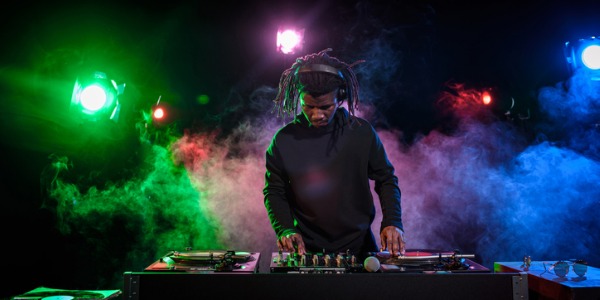
A DJ (disc jockey) plays and mixes music for an audience. Instead of performing songs live with instruments, a DJ selects tracks and blends them together to create a continuous flow of music. They use equipment like turntables, controllers, or software to adjust tempo, match beats, and transition smoothly between songs so the music never feels interrupted.
DJs work in many settings, including clubs, parties, weddings, radio stations, and festivals. A big part of the job is reading the crowd and choosing music that fits the mood, whether that means keeping people dancing or creating a relaxed atmosphere. Good DJs combine music knowledge, technical skill, and a sense of timing to create an enjoyable and memorable experience for listeners.
Duties and Responsibilities
Being a DJ is more than just playing songs—it’s about creating a fun and memorable experience for the audience. Here’s a closer look at their key duties and responsibilities:
- Music Selection: Choosing the right songs based on the event, audience, and overall mood. This requires understanding different genres and what keeps people engaged.
- Mixing & Beatmatching: Blending tracks smoothly so the music flows without awkward breaks. This involves matching tempo, rhythm, and transitions between songs.
- Reading the Crowd: Watching how the audience responds and adjusting the music in real time. A good DJ keeps energy levels up by playing what the crowd reacts to best.
- Equipment Setup & Operation: Setting up and testing gear like turntables, controllers, speakers, and software before the event. They also manage sound quality during the performance.
- Event Coordination: Working with event planners, hosts, and other vendors to match the music to the event schedule and vibe. This helps everything run smoothly from start to finish.
- Playlist Preparation: Planning sets or playlists ahead of time while staying flexible for requests and changes. Preparation helps avoid downtime and keeps the flow consistent.
- Adaptability & Problem-Solving: Handling unexpected issues like technical problems or sudden changes in the event. Quick thinking ensures the music continues without disruption.
Types of DJs
Here are the most common types of DJs, each with a distinct role and style within the music industry:
- Club DJ: Club DJs perform in nightclubs and bars, mixing popular genres like EDM, hip-hop, and pop to keep the crowd engaged. They focus on reading the audience and creating a seamless, high-energy flow of music throughout the night.
- Mobile DJ: Mobile DJs play at events such as weddings, corporate functions, and private parties, often bringing their own sound and lighting equipment. They adapt their playlists to suit different audiences, balancing requests with crowd-pleasing tracks.
- Radio DJ: Radio DJs host shows on radio stations, playing music and speaking between songs to entertain listeners. They follow a set format based on the station’s style and may also conduct interviews or share news and updates.
- Producer DJ: Producer DJs create original music using digital tools and often perform their own tracks in live sets. Their work blends music production with performance, helping them build a unique sound and personal brand.
- Turntablist: Turntablists specialize in advanced vinyl techniques like scratching, beat juggling, and cutting. They often perform in competitions or showcases that highlight technical skill and creativity.
- Festival DJ: Festival DJs perform at large-scale events and music festivals, often in front of massive crowds. Their sets are typically high-energy and may include visuals, effects, and original productions to create a memorable experience.
What is the workplace of a DJ like?
The workplace of a DJ can vary depending on the type of gigs they perform. Many DJs work in nightclubs, bars, or music festivals, where the environment is fast-paced and high-energy. Others perform at private events like weddings or corporate parties, which may require a more controlled and personalized approach. Regardless of the setting, DJs need to stay focused while managing equipment and keeping the music flowing smoothly.
Collaboration is also a key part of the job. DJs often work with event planners, hosts, lighting and sound technicians to make sure the music, visuals, and overall atmosphere fit the event. They may also coordinate with other performers, such as live musicians or singers, to create seamless transitions and keep the audience engaged.
Live performances are the most exciting part of a DJ’s workplace. DJs use turntables, mixers, or digital controllers to blend tracks, adjust tempo, and create special effects in real time. They constantly read the crowd, adjusting their music selection to maintain energy and engagement. The environment can be loud, fast-paced, and sometimes unpredictable, but it’s also rewarding to see people enjoying the music you’ve created.
How to become a DJ
Becoming a DJ involves a combination of education, practice, and hands-on experience. Here's a general guide:
- Gain Music Experience: Start by learning about music and different genres, either through listening, practicing with equipment, or taking part-time gigs at parties, school events, or small local venues. This helps you understand crowd preferences and develop your own style.
- Learn the Technical Skills: Take courses or workshops on DJing, mixing, beatmatching, and using equipment like turntables, controllers, and DJ software. You can also practice at home with affordable gear to build confidence and refine your technique.
- Build Your Equipment Setup: Invest in basic DJ gear, including a mixer, controller, speakers, and headphones. Learning to set up, test, and troubleshoot your equipment is essential before performing at live events.
- Practice Live Performance: Start performing for friends, family, or small events to gain experience managing a live audience. Focus on reading the crowd, mixing tracks smoothly, and keeping energy levels high throughout a set.
- Network and Promote Yourself: Connect with event planners, club owners, and other DJs to find gigs and opportunities. Build an online presence through social media or a website to showcase your mixes, playlists, and live performances.
- Consider Music Production: Many successful DJs also create their own tracks. Learning music production software and techniques can help you stand out and incorporate your original music into live sets.
- Keep Learning and Adapting: Stay up to date with music trends, new DJ technology, and audience preferences. Adaptability and continuous practice are key to long-term success in the DJ industry.
Beginner Resources
Perfect if you’re just getting started and need basics like equipment setup, beatmatching, and music selection.
- YouTube (DJ Tutorials) – Free, visual lessons on mixing basics, gear walkthroughs, and performance tips.
- Mixxx – A completely free DJ software that lets you practice beatmatching and mixing safely at home.
- Reddit — r/DJs – A friendly community where beginners ask questions and share progress.
- Virtual DJ – Easy‑to‑use software with built‑in tools, ideal for first‑time mixing.
Intermediate Resources
Great once you understand the basics and want to refine your technique, library management, and live performance skills.
- Serato DJ / Rekordbox – Industry‑standard DJ platforms used in clubs and events; practice mix preparation and performance features.
- DJ TechTools – Articles, videos, and gear guides to deepen your technical knowledge.
- Digital DJ Tips – Structured lessons and tips on performance, transitions, and crowd‑reading.
- Spotify, Beatport, SoundCloud – Use these to build diverse playlists, find remixes, and follow current trends.
Advanced Resources
Ideal for DJs who want to produce original music, perform professionally, or build a strong personal brand.
- Point Blank Music School – Professional certificates in DJing, production, and music business.
- Splice & Loopmasters – Sample libraries and loops to create your own tracks or remix existing songs.
- LANDR – Online mastering tools to give your tracks a polished, professional sound.
- MasterClass (Music/Production) and Coursera/Udemy (Music Tech) – Deep courses on DJ performance, music production, and creative workflows.
- Mixcloud / SoundCloud (Pro) – Upload your mixes, build an audience, and share your work widely.
Bonus Tools for ALL Levels
These aren’t tied to skill level but are extremely useful as you grow:
- Facebook DJ Groups – Network with other DJs and find gig leads.
- GigSalad / The Bash – Platforms to get paid booking opportunities (especially for mobile/event DJs).
- Instagram / TikTok – Showcase your personality and build your brand.
Quick Starter Path
- Begin with YouTube + Mixxx to learn fundamentals.
- Move to Rekordbox/Serato once you’re comfortable mixing.
- Explore production tools like Splice if you want to make your own tracks.
- Share mixes on SoundCloud/Mixcloud and start networking online.





User's Comments
No comments there.