


Stories you may like
AI Education Specialist
An AI education specialist uses artificial intelligence (AI) to support teaching, learning, and educational technology. They help schools, universities, and companies use AI tools to improve the learning experience for students and educators. For example, they may work with AI programs that personalize lessons, grade assignments, track student progress, or provide virtual tutoring and learning support.
These specialists usually understand both education and technology. Some come from teaching backgrounds, while others specialize in software, data, or instructional design. Their job is to make sure AI tools are helpful, easy to use, and support student learning in a safe and effective way. As technology becomes more common in classrooms and online learning, AI education specialists are becoming increasingly important in modern education systems.
Duties and Responsibilities
The duties and responsibilities of an AI education specialist can vary depending on the school, organization, or technology they work with. However, some common tasks and responsibilities include:
- AI Learning Tool Development: Helping design and improve AI-powered educational tools such as virtual tutors, learning apps, and automated grading systems. These tools are created to support student learning and make education more interactive and efficient.
- Educational Data Analysis: Collecting and analyzing student performance data to identify learning patterns and areas where students may need additional support. AI education specialists use this information to help improve teaching strategies and educational outcomes.
- Technology Integration: Assisting schools and educators with integrating AI technology into classrooms and online learning platforms. They help teachers understand how to use AI tools effectively in daily lessons and activities.
- Personalized Learning Support: Developing systems that adapt lessons and learning materials to individual student needs and learning styles. This helps students learn at their own pace and receive more customized educational support.
- Training and Collaboration: Working closely with teachers, administrators, software developers, and education companies to improve AI learning systems. They may also provide training sessions and support for educators using new technology.
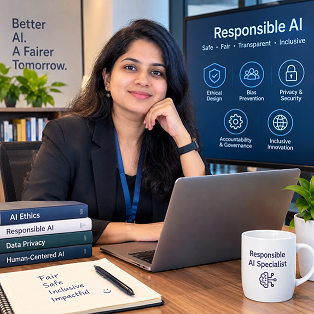
- Ethics and Student Privacy: Ensuring AI systems follow educational guidelines, privacy laws, and ethical standards. They help protect student information and make sure AI tools are used fairly and responsibly in education.
Types of AI Education Specialists
AI education specialists can focus on different areas depending on the type of educational technology and learning systems they work with. Here are some common types of AI education specialists based on their areas of expertise:
- Instructional AI Specialist: Focuses on developing AI-powered learning materials, lesson plans, and digital educational content. They help create personalized learning experiences that match different student needs and abilities.
- Educational Data Analyst: Specializes in analyzing student performance data and learning trends using AI tools. They help schools and educators make informed decisions to improve student success and teaching strategies.
- AI Learning Platform Specialist: Works on managing and improving online learning systems, virtual classrooms, and educational apps that use artificial intelligence. They ensure these platforms are effective, user-friendly, and support student engagement.
- Natural Language Processing (NLP) Specialist: Develops AI systems that understand and respond to human language in educational settings. These systems may include AI chatbots, virtual tutors, automated feedback tools, and language-learning applications.
- AI Curriculum Developer: Designs educational programs and courses that teach students about artificial intelligence and related technologies. They help schools introduce AI concepts into classrooms in an accessible and age-appropriate way.
- Educational Technology Consultant: Assists schools, colleges, and organizations with selecting and implementing AI tools for education. They provide guidance, training, and support to help educators use technology effectively and responsibly.
Workplace of an AI Education Specialist
The workplace of an AI education specialist is usually a combination of education and technology environments. They may work in schools, colleges, universities, educational technology companies, research organizations, or online learning platforms. Some specialists work directly with teachers and students, while others mainly collaborate with software developers, instructional designers, and administrators.
Their daily work often involves using computers, analyzing educational data, testing AI learning tools, and helping improve digital learning systems. AI education specialists may spend time developing personalized learning programs, reviewing student performance data, or training educators on how to use AI technology in the classroom. They also attend meetings, collaborate with different teams, and stay updated on new developments in both education and artificial intelligence.
Many AI education specialists work in modern office settings or remotely, especially when their work focuses on software development, online learning, or data analysis. In schools or universities, they may also spend time in classrooms or learning labs to better understand how students and teachers use AI tools. The job usually combines teamwork, creativity, problem-solving, and continuous learning because both education and technology continue to evolve quickly.
How to become an AI Education Specialist
Becoming an AI education specialist involves developing knowledge in both education and artificial intelligence technologies. Here’s a guide to help you navigate the path toward this career:
- Educational Background: Obtain a strong educational foundation by earning a Bachelor’s Degree in Education, Computer Science, Instructional Technology, or a related field. Some professionals also continue with graduate studies or certifications in artificial intelligence or digital learning.
- Learn Technology and Programming Skills: Develop skills in programming languages and digital tools commonly used in AI and educational technology, such as Python, data analysis software, and online learning platforms. Understanding technology systems helps specialists work effectively with AI-powered educational tools.
- Understand Artificial Intelligence Fundamentals: Learn the basics of artificial intelligence, machine learning, data analytics, and educational software systems. Studying these concepts helps specialists understand how AI can improve teaching, learning, and student support.
- Build Knowledge of Education Systems: Become familiar with teaching methods, curriculum development, student learning processes, and classroom management. Understanding how education works is important for creating AI systems that truly support students and educators.
- Gain Practical Experience: Participate in internships, research projects, teaching positions, or educational technology roles that involve AI or digital learning tools. Hands-on experience helps develop both technical and educational skills in real-world settings.
- Stay Updated and Continue Learning: Keep up with new developments in artificial intelligence, educational technology, and digital learning trends. Continuous learning through workshops, certifications, conferences, and online courses is important because both AI and education continue to evolve quickly.
Certifications
There are several certifications that can help individuals develop the technical, educational, and artificial intelligence skills needed to become an AI education specialist. These certifications can improve knowledge in digital learning, educational technology, data analysis, and AI-powered teaching tools:
- Google Certified Educator Level 1 and Level 2: These certifications demonstrate proficiency in using Google tools and technology in educational settings. They help educators develop skills in integrating digital tools, managing technology-supported learning environments, and applying advanced digital teaching strategies in classrooms and online education.
- Microsoft Certified: Azure AI Fundamentals: This certification introduces the basics of artificial intelligence and machine learning using Microsoft Azure tools. It is useful for individuals who want to understand how AI technologies can support education and digital learning systems.
- IBM AI Foundations for Educators: This certification helps educators learn the fundamentals of artificial intelligence and how AI can be applied in classrooms and educational programs. It focuses on practical ways teachers and education specialists can use AI tools responsibly.
- Certified Education Technology Leader (CETL): Offered by the Consortium for School Networking (CoSN), this certification focuses on leadership and technology management in education. It helps professionals understand how to plan and manage educational technology systems effectively.
- ISTE Certification for Educators: This certification, provided by the International Society for Technology in Education (ISTE), focuses on integrating technology into teaching and learning. It helps educators develop skills in digital instruction, innovation, and student-centered learning.
Skills Needed for an AI Education Specialist
An AI Education Specialist helps schools, teachers, students, and organizations use artificial intelligence effectively and responsibly for learning.
Key Skills
- AI & Machine Learning Knowledge – Understanding AI concepts, generative AI, machine learning, and AI tools.
- Educational Technology (EdTech) – Knowledge of digital learning platforms, virtual classrooms, LMS systems, and educational software.
- Prompt Engineering – Ability to create effective prompts for AI tools such as ChatGPT and other generative AI systems.
- Curriculum Development – Designing AI-integrated lessons, courses, activities, and learning materials.
- Teaching & Training Skills – Ability to train teachers, students, and staff in using AI effectively.
- Digital Literacy – Strong understanding of online tools, productivity software, and digital learning environments.
- AI Ethics & Responsible AI – Knowledge of privacy, bias, academic integrity, copyright, and responsible AI use.
- Communication Skills – Explaining complex AI concepts in a simple and understandable way.
- Critical Thinking – Evaluating AI-generated information for accuracy, reliability, and relevance.
- Data & Assessment Skills – Using data and AI tools to analyze student performance and improve learning outcomes.
- Instructional Design – Creating engaging, personalized, and learner-centered educational experiences.
- Problem-Solving – Finding practical ways to use AI to address educational challenges.
- Adaptability & Continuous Learning – Keeping up with rapidly changing AI technologies and educational trends.
- Project Management – Planning and implementing AI-related educational programs and initiatives.
Salary of an AI Education Specialist
Salary varies by experience, location, organization, and technical expertise.
India
- Entry Level (0–2 years): ₹3 – ₹6 LPA
- Mid-Level (3–6 years): ₹6 – ₹12 LPA
- Senior Level (7+ years): ₹12 – ₹20+ LPA
- Highly Experienced / Leadership: ₹20 – ₹30+ LPA
International
- USA: $70,000 – $130,000+ per year
- UK: £35,000 – £75,000+ per year
- Canada: CAD 60,000 – CAD 110,000+ per year
- Australia: AUD 75,000 – AUD 140,000+ per year






User's Comments
No comments there.