


Stories you may like
Sculptor
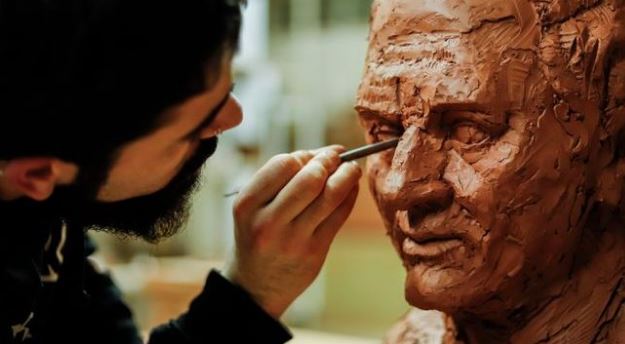
A sculptor is an artist who specializes in creating three-dimensional artworks by shaping, carving, or manipulating various materials. Sculptors work with a wide range of materials such as stone, wood, metal, clay, plaster, or even found objects. They use their skills and tools to transform these materials into expressive and tangible forms, exploring the interplay of volume, space, texture, and composition.
Sculptors employ various techniques and approaches to bring their artistic vision to life. They may create representational sculptures that depict recognizable objects, figures, or scenes, or they may delve into abstract or conceptual forms, focusing on evoking emotions, ideas, or exploring the relationships between form and space. Sculptors work in diverse styles and scales, from small-scale sculptures that fit in the palm of your hand to monumental public installations that reshape and interact with the surrounding environment. Through their art, sculptors invite viewers to engage with physical objects in a tactile and spatial way, offering unique sensory and aesthetic experiences.
Sculptors engage in a combination of artistic creativity and technical skills to bring their sculptures to life. Their work requires patience, attention to detail, and a deep understanding of materials, forms, and artistic expression. Through their sculptures, they contribute to the visual arts, enriching public spaces, galleries, and personal collections with their unique artistic visions.
Duties and Responsibilities
Sculptors engage in a range of activities and tasks in their artistic practice. Here are some of the key things that sculptors do:
- Concept Development: Sculptors start by developing their artistic concept or idea. This involves exploring themes, researching, sketching, and conceptualizing the form and composition of their sculpture. They may draw inspiration from personal experiences, nature, mythology, social issues, or abstract concepts.
- Material Selection: Sculptors carefully choose the material they will work with, considering its properties, durability, and suitability for their artistic vision. They may select materials such as marble, bronze, clay, wood, metal, or a combination of different materials depending on the desired outcome and their expertise.
- Preparation and Planning: Before starting the actual sculpting process, sculptors often create preparatory models or maquettes. These smaller-scale versions help them refine their design, study proportions, and experiment with different techniques and materials. They also plan the logistics, tools, and equipment needed for the sculpting process.
- Sculpting Techniques: Sculptors employ a variety of techniques to shape and manipulate their chosen material. They may use tools such as chisels, hammers, rasps, files, and drills for subtractive processes like carving or cutting away material. Alternatively, they may use additive techniques like modeling, molding, or casting to build up layers or shapes.
- Finishing and Refining: Once the main form of the sculpture is complete, sculptors refine the surface, paying attention to details, textures, and finishes. They may use sandpaper, polishing tools, or other techniques to achieve the desired smoothness or texture. They may also apply patinas or coatings to enhance the appearance or protect the surface of the sculpture.
- Installation and Display: Sculptors consider the placement and display of their artwork. For smaller sculptures, they may mount them on pedestals or plinths, while larger works may require installation in public spaces, gardens, or galleries. Sculptors collaborate with architects, engineers, or installation specialists to ensure proper installation and structural integrity.
- Collaboration and Commissions: Sculptors may collaborate with other artists, architects, or clients for specific projects or commissions. They work closely with clients to understand their vision and requirements, creating custom sculptures that align with their expectations. This could involve creating public art installations, memorials, or sculptures for private collections.
- Promotion and Exhibitions: Sculptors actively promote their work through various means, including participation in exhibitions, art fairs, or galleries. They create portfolios, artist statements, and documentation of their sculptures to share with potential buyers, collectors, or art enthusiasts. They may also engage in networking, marketing, and online presence through websites or social media platforms.
- Maintenance and Restoration: Sculptors may be responsible for the ongoing maintenance and restoration of their sculptures. Over time, sculptures may require cleaning, repair, or preservation measures to ensure their longevity and aesthetic integrity. Sculptors may collaborate with conservators or restoration specialists for more complex or delicate restoration work.
Types of Sculptors
There are various types or categories of sculptors, each defined by their preferred materials, techniques, styles, or subject matter. Here are some common types of sculptors:
- Stone Carvers: Stone carvers specialize in sculpting stone, such as marble, granite, limestone, or alabaster. They employ traditional carving techniques, using chisels, mallets, and other tools to shape the stone into desired forms, from figurative sculptures to abstract designs.
- Metal Sculptors: Metal sculptors work with materials like bronze, steel, iron, or aluminum. They use welding, cutting, forging, or casting techniques to create sculptures that explore the unique properties of metal, including its strength, malleability, and reflective qualities.
- Ceramic Sculptors/Potters: Ceramic sculptors/potters work with clay and other ceramic materials. They utilize techniques like hand-building, wheel throwing, or ceramic molding to create sculptures that are then fired in kilns. Ceramic sculptures can range from functional pottery to intricate figurative or abstract forms.
- Wood Carvers: Wood carvers specialize in sculpting wood, using carving tools to shape and manipulate the material. They work with different types of wood, such as oak, mahogany, or walnut, and may create sculptures that showcase the natural grain and texture of the wood or incorporate painted or stained finishes.
- Figurative Sculptors: Figurative sculptors focus on creating sculptures that depict the human form or figures. They explore anatomy, gesture, and expression, capturing the likeness and essence of individuals or conveying narratives and emotions through their figurative works.
- Abstract Sculptors: Abstract sculptors create non-representational or non-figurative sculptures. They work with various materials and forms, emphasizing shapes, lines, textures, and spatial relationships. Abstract sculptors often explore concepts, emotions, or aesthetics through their innovative and sometimes unconventional creations.
- Installation Artists: Installation artists specialize in creating large-scale, site-specific artworks that transform spaces. They may use diverse materials and elements, including sculpture, light, sound, video, or found objects, to create immersive and interactive experiences for viewers.
- Environmental Sculptors: Environmental sculptors create sculptures that are integrated into natural landscapes or outdoor environments. They often use natural materials and take into consideration the surrounding context, aiming to harmonize with or accentuate the natural features of the site.
- Conceptual Sculptors: Conceptual sculptors focus on the ideas and concepts behind their artwork rather than the physical form. They may employ unconventional materials, use text or symbolic elements, or explore intellectual, social, or political themes through their sculptures.
- Collaborative Sculptors: Collaborative sculptors work in teams or groups to create sculptures. They pool their talents, skills, and ideas to produce larger, more complex artworks that require the expertise of multiple individuals. Collaboration may involve artists from different disciplines, such as sculptors, architects, engineers, or artisans.
Workplace of a Sculptor
The workplace of a sculptor can vary depending on the specific circumstances and nature of their work. Here are some aspects to consider regarding the workplace of a sculptor:
Studio: Many sculptors have their own dedicated studio space where they create their artwork. Studios can range from small, intimate spaces for individual artists to larger shared studios that foster a sense of community and collaboration. The studio serves as a sanctuary for the sculptor to work, think, and experiment with materials, tools, and techniques. It provides a controlled environment where they can focus on their creative process and bring their artistic visions to life.
Outdoor Workspaces: Some sculptors prefer to work outdoors, especially when creating large-scale or site-specific sculptures. They may have access to open-air studios, sculpture parks, or outdoor workshops. Outdoor workspaces allow sculptors to engage with natural light, elements, and the surrounding environment, offering unique challenges and opportunities for their artistic practice.
Foundries or Fabrication Studios: Sculptors who work with materials like bronze or other metals often collaborate with foundries or fabrication studios. These specialized facilities have the necessary equipment and expertise to transform the sculptor's original piece into a finished bronze sculpture through casting, patination, and other finishing processes. Sculptors may work closely with technicians and artisans in these spaces to bring their creations to fruition.
Exhibition Spaces: As sculptors create their artworks, they envision how they will be displayed and experienced by viewers. Exhibition spaces, such as galleries, museums, or outdoor public spaces, play a crucial role in showcasing the sculptor's work to the audience. Sculptors may engage with curators, exhibition organizers, or gallery owners to secure opportunities to display their sculptures in appropriate settings.
Workshops and Residencies: Sculptors may participate in workshops or artist residencies, both local and international, to explore new techniques, collaborate with other artists, or engage in focused periods of artistic production. These environments often provide specialized equipment, tools, and a supportive community of artists, fostering creative growth and experimentation.
Client Sites: Sculptors who undertake commissions or public art projects may work on-site at client locations. They collaborate with architects, landscape designers, and clients to create sculptures that integrate harmoniously into specific spaces. This may involve visits to construction sites, coordination with installation teams, and adapting the sculpting process to suit the specific requirements of the project.
Travel and Exploration: Sculptors may also find inspiration and opportunities for their work through travel and exploration. They may visit museums, sculpture parks, or cultural sites to gain exposure to different artistic traditions, styles, and materials. Exploring new environments and cultures can spark new ideas and perspectives that inform their artistic practice.
How to become a Sculptor
Becoming a sculptor involves a combination of artistic development, skill acquisition, and dedicated practice. Here is an overview of the steps to become a sculptor:
- Develop Your Passion: Start by cultivating a genuine interest and passion for sculpture. Visit museums, galleries, and sculpture parks to immerse yourself in the world of sculpture. Study and appreciate the works of renowned sculptors from different periods and cultures. Attend art exhibitions, workshops, and lectures to gain exposure to various sculptural techniques, styles, and approaches.
- Acquire Foundational Knowledge: Familiarize yourself with the principles of art and design, including concepts like composition, form, proportion, and anatomy. Study art history to gain a broader understanding of the evolution of sculpture and the contributions of influential sculptors. Develop your observational skills by drawing or sketching from life, paying attention to the human figure, objects, and spatial relationships.
- Gain Formal Education: While not mandatory, pursuing formal education in sculpture can provide valuable instruction, mentorship, and access to resources. Consider enrolling in a fine arts or art history program, or sculpture-specific courses at a university, college, or art school. These programs offer structured learning, studio practice, critiques, and opportunities to engage with faculty and peers who can provide guidance and feedback.
- Develop Technical Skills: Sculpture requires mastery of various techniques and materials. Start by experimenting with different sculpting mediums such as clay, wood, or stone. Learn traditional and contemporary sculpting techniques, including carving, modeling, casting, and welding. Take workshops or classes that focus on specific techniques or materials of interest to deepen your understanding and refine your skills.
- Practice Regularly: Dedicate regular time to practice and create sculptures. Set up a dedicated workspace, whether it's a studio, a corner of your home, or an outdoor area. Make sculpting a consistent part of your routine and commit to exploring new ideas, pushing your creative boundaries, and honing your technical abilities. Embrace the process of trial and error, as experimentation is crucial for growth as a sculptor.
- Seek Mentorship and Critique: Connect with experienced sculptors or artists who can provide mentorship and guidance. Attend workshops, artist talks, or artist-in-residence programs to interact with established professionals. Participate in critique sessions or join local artist groups where you can receive constructive feedback on your work. Engaging with fellow artists and receiving mentorship can help you gain insights, refine your artistic voice, and identify areas for improvement.
- Build a Portfolio: Create a portfolio that showcases your best sculptural works. Include high-quality photographs or documentation of your sculptures from different angles and perspectives. Organize your portfolio to demonstrate your range of skills, creative vision, and artistic growth over time. A well-curated portfolio is essential for applications to exhibitions, galleries, artist grants, and other opportunities.
- Seek Exhibition Opportunities: Actively seek opportunities to exhibit your sculptures. Participate in local art shows, juried exhibitions, or public art projects. Submit your work to galleries or sculpture-specific competitions. These opportunities not only provide exposure for your sculptures but also help you develop a professional network and gain recognition within the art community.
- Engage With the Art Community: Attend art events, workshops, and conferences to connect with fellow artists, curators, collectors, and art enthusiasts. Join professional artist organizations or sculpture associations to stay informed about opportunities, workshops, and resources available to sculptors. Engaging with the art community helps you establish connections, learn from others, and expand your horizons.
- Explore Advanced Techniques: As you progress as a sculptor, continue to expand your technical skills and knowledge. Explore advanced techniques such as digital sculpting, mixed media, or installation art. Embrace new technologies and tools that can enhance your sculptural practice, such as 3D modeling software or CNC machines.
- Seek Professional Opportunities: As your skills and portfolio grow, actively pursue professional opportunities. Apply for grants, artist-in-residence programs, or fellowships that can provide financial support, exposure, and dedicated time for artistic exploration. Look for public art commissions or collaborations with architects, municipalities, or organizations that involve creating sculptures for public spaces or specific projects.
- Establish an Online Presence: In today's digital age, having an online presence is crucial for artists. Create a website or online portfolio to showcase your sculptures, artist statement, resume, and contact information. Use social media platforms to share your works-in-progress, behind-the-scenes glimpses, exhibition announcements, and engage with a wider audience of art enthusiasts and potential buyers.
Helpful Resources
There are several helpful resources available to sculptors that can support their artistic development and provide inspiration, education, and networking opportunities. Here are some resources to consider:
- Sculpture Organizations and Associations: Joining professional sculpture organizations and associations can provide access to valuable resources, networking opportunities, and community support. Some prominent organizations include the International Sculpture Center (ISC), National Sculpture Society (NSS), and the British Society of Sculptors (BSS).
- Workshops and Classes: Attend sculpture workshops and classes conducted by experienced artists or institutions. These provide hands-on learning experiences, exposure to different techniques, and the chance to learn from established sculptors. Many art schools, community centers, and sculpture-specific organizations offer workshops and classes tailored to sculptors of various skill levels.
- Artist Residencies: Participate in artist residencies focused on sculpture. Residencies provide dedicated time and space to work on your sculptures, access to specialized equipment and facilities, and the opportunity to connect with other artists. The Alliance of Artists Communities and ResArtis are helpful resources for finding artist residency opportunities worldwide.
- Sculpture Parks and Museums: Visit sculpture parks and museums to view sculptures by renowned artists and gain inspiration from their work. Sculpture parks like Storm King Art Center in the United States, Yorkshire Sculpture Park in the UK, and Hakone Open-Air Museum in Japan are known for their extensive sculpture collections. Museums with strong sculpture departments, such as the Louvre in Paris or the Metropolitan Museum of Art in New York, also offer valuable insights into the history and evolution of sculpture.
- Online Communities and Forums: Engage with online communities and forums dedicated to sculpture. Websites like Sculpture.net and ArtWeb.com provide platforms for sculptors to connect, share their work, seek advice, and participate in discussions. Online communities can offer feedback, technical tips, and exposure to different sculpting approaches from artists worldwide.
- Sculpture Magazines and Publications: Subscribe to sculpture magazines and publications that offer in-depth articles, artist profiles, and updates on the sculpture field. Sculpture Review, Sculpture Magazine, and Art in America are a few examples of publications that focus on sculpture and contemporary art.
- Grants and Funding Opportunities: Explore grants, fellowships, and funding opportunities specifically available to sculptors. These resources can provide financial support for materials, studio space, residencies, or exhibition opportunities. Websites such as Artist Grant and the Foundation Center's GrantSpace offer databases and resources to search for grants and funding options.
- Online Sculpture Courses and Tutorials: Access online sculpture courses and tutorials to learn new techniques or improve your skills. Platforms like Udemy, Skillshare, and Lynda.com offer a wide range of online courses taught by professional sculptors. Additionally, YouTube channels and websites dedicated to sculpture provide free tutorials and demonstrations.
- Artist Studio Visits and Mentoring: Seek opportunities to visit the studios of established sculptors or connect with experienced artists for mentorship. Studio visits allow you to observe their working methods, learn from their experiences, and gain insights into the professional sculpting practice. Building relationships with mentors can provide valuable guidance, critique, and support throughout your artistic journey.
Skills Needed for a Sculptor
A Sculptor is an artist who creates three-dimensional artworks by shaping materials such as clay, stone, wood, metal, plaster, and other materials. Sculptors need creativity, artistic ability, technical knowledge, and practical skills to transform ideas into beautiful sculptures.
Essential Skills Needed for a Sculptor
1. Creativity and Imagination: Ability to develop original ideas and create unique artistic designs.
2. Artistic Skills: Strong understanding of shapes, forms, proportions, textures, and visual composition.
3. Drawing and Sketching: Ability to sketch concepts and prepare designs before creating sculptures.
4. Hand-Eye Coordination: Ability to coordinate hand movements with visual observations while shaping materials.
5. Knowledge of Materials: Understanding the properties of clay, wood, stone, metal, plaster, and other sculpting materials.
6. Carving and Modelling Skills: Ability to carve, mould, shape, and assemble different materials.
7. Attention to Detail: Ability to create accurate features, patterns, textures, and fine finishing.
8. Patience and Concentration: Willingness to spend long hours working on complex sculptures.
9. Problem-Solving Skills: Ability to overcome design challenges and correct mistakes during the sculpting process.
10. Knowledge of Tools and Equipment: Skill in using chisels, hammers, modelling tools, cutting equipment, and other sculpting instruments.
11. Physical Stamina: Ability to handle heavy materials and work in different studio environments.
12. Time Management: Ability to complete sculptures and artistic projects within deadlines.
13. Communication Skills: Ability to understand clients' requirements and explain artistic ideas.
14. Digital Sculpting Skills: Knowledge of digital tools and 3D modelling software such as Blender and ZBrush.
15. Business and Marketing Skills: Ability to promote artwork, communicate with customers, manage projects, and sell sculptures.
Important Personal Qualities
- Passion for art and creativity.
- Patience and dedication.
- Strong observation skills.
- Open-mindedness.
- Willingness to learn new techniques.
- Self-discipline and confidence.
Salary of a Sculptor in India (2026)
A Sculptor's salary in India depends on experience, artistic skills, type of materials used, reputation, location, and whether they work independently or for an organisation.
1. Average Salary
- Entry-Level Sculptor: ₹15,000–₹25,000 per month.
- Mid-Level Sculptor: ₹25,000–₹50,000 per month.
- Experienced Sculptor: ₹50,000–₹80,000 per month.
- Highly Skilled or Established Sculptor: ₹80,000–₹1,50,000+ per month.
2. Annual Salary
- Freshers: ₹1.8 lakh–₹3 lakh per year.
- Experienced Professionals: ₹3 lakh–₹9.6 lakh per year.
- Senior Professionals: ₹9.6 lakh–₹18 lakh+ per year.
3. Freelance Sculptor Earnings
Freelance sculptors can earn additional income through commissioned artworks, exhibitions, public installations, workshops, and sculpture sales. Earnings vary considerably depending on demand and reputation.
4. Factors Affecting Salary
- Years of professional experience.
- Artistic creativity and technical expertise.
- Quality and uniqueness of sculptures.
- Location and employment opportunities.
- Client base and professional reputation.
- Specialisation in stone, wood, metal, or digital sculpture.







User's Comments
No comments there.