


Stories you may like
Agronomist
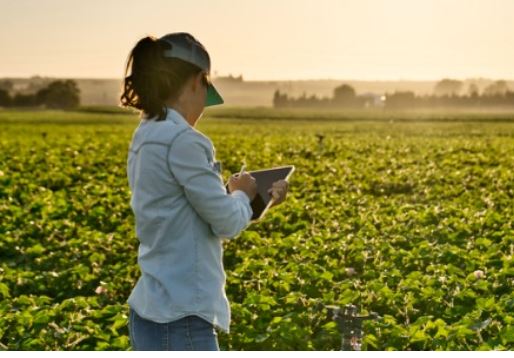
An agronomist focuses on optimizing crop production and sustainable agriculture practices. Agronomists possess expertise in various aspects of plant biology, soil science, and environmental management to enhance the efficiency and effectiveness of farming operations. They work closely with farmers, agricultural researchers, and policymakers to address challenges related to soil health, crop selection, irrigation, pest control, and overall land management.
Agronomists play a key role in advancing agricultural technology and practices, utilizing scientific research to develop strategies that maximize crop yields while minimizing environmental impact. They contribute to the sustainable and responsible use of natural resources, ensuring the long-term viability of agricultural systems and meeting the global demand for food production in a changing climate.
Duties and Responsibilities
The duties and responsibilities of an agronomist encompass a wide range of tasks related to optimizing crop production, managing agricultural systems, and promoting sustainable farming practices. Here are key responsibilities associated with this profession:
- Soil Analysis: Conduct soil assessments to analyze nutrient levels, pH, and other soil properties. Interpret soil data to provide recommendations for fertilization and soil amendments.
- Crop Planning and Selection: Advise farmers on the selection of suitable crops based on soil conditions, climate, and market demand. Develop crop rotation plans to optimize yields and reduce the risk of pests and diseases.
- Irrigation Management: Evaluate irrigation needs and develop efficient irrigation plans to ensure optimal water usage. Implement technologies and techniques for water conservation in agriculture.
- Pest and Disease Management: Identify and assess pest and disease pressures affecting crops. Recommend integrated pest management (IPM) strategies, including the use of pesticides when necessary.
- Precision Agriculture: Utilize technology, such as GPS and remote sensing, for precision farming practices. Implement data-driven approaches to optimize planting, fertilization, and harvesting.
- Research and Experimentation: Conduct field trials and experiments to evaluate the performance of different crops, varieties, and agricultural practices. Stay abreast of the latest research in agronomy and integrate innovative techniques into farming operations.
- Environmental Stewardship: Promote and implement sustainable farming practices to minimize environmental impact. Address soil erosion, nutrient runoff, and other environmental concerns through conservation measures.
- Educational Outreach: Provide training and educational programs to farmers on modern agronomic practices. Collaborate with agricultural extension services to disseminate knowledge and advancements in the field.
- Technology Integration: Stay informed about and incorporate advancements in agricultural technology, including precision agriculture tools and equipment. Implement digital tools for monitoring and managing crops efficiently.
- Policy Advocacy: Engage in discussions and advocacy related to agricultural policies that support sustainable farming practices. Contribute expertise to policymakers on issues affecting crop production and agriculture.
- Collaboration and Communication: Collaborate with other agronomists, researchers, and agricultural professionals. Communicate effectively with farmers, providing them with actionable insights and recommendations.
Types of Agronomists
Agronomists often specialize in specific areas of expertise within the broader field of agronomy. Here are some types of agronomists, each focusing on distinct aspects of crop production, land management, or agricultural science:
- Crop Agronomist: Specializes in the cultivation and management of specific crops. Crop agronomists provide expertise on crop selection, planting practices, and cultivation techniques to optimize yields.
- Soil Agronomist: Focuses on soil health and fertility. Soil agronomists assess soil properties, conduct fertility analyses, and provide recommendations for soil management practices to enhance crop productivity.
- Precision Agronomist: Utilizes technology, such as GPS, remote sensing, and data analytics, to implement precision farming practices. Precision agronomists optimize planting, fertilization, and irrigation based on detailed data and mapping.
- Environmental Agronomist: Addresses the environmental impact of agriculture, including issues related to water quality, soil conservation, and sustainable land management. Environmental agronomists work to minimize the ecological footprint of farming practices.
- Crop Protection Agronomist: Specializes in pest and disease management. These agronomists study and recommend strategies for controlling pests and diseases while minimizing the use of chemical inputs through integrated pest management (IPM) practices.
- Forage Agronomist: Focuses on the cultivation of forage crops, such as hay and pasture, which are crucial for livestock nutrition. Forage agronomists optimize planting, harvesting, and management practices for these crops.
- Seed Agronomist: Works with seed companies to develop and test new crop varieties. Seed agronomists focus on improving the genetic traits of crops to enhance yield, resilience, and overall performance.
- Cover Crop Agronomist: Specializes in the use of cover crops to improve soil health, prevent erosion, and enhance nutrient cycling. Cover crop agronomists help farmers integrate cover crops into their rotation plans.
- Agricultural Extension Agronomist: Works in extension services to transfer knowledge and technology from research institutions to farmers. These agronomists provide outreach, education, and support to the agricultural community.
- Organic Agronomist: Specializes in organic farming practices. Organic agronomists provide guidance on crop rotation, soil fertility management, and pest control strategies that align with organic certification standards.
- Horticultural Agronomist: Focuses on the production of fruits, vegetables, and ornamental crops. Horticultural agronomists optimize growing practices and address specific challenges associated with these crops.
- Sustainable Agriculture Agronomist: Works towards promoting sustainable farming practices. Sustainable agriculture agronomists focus on environmentally friendly and economically viable approaches to agriculture.
Workplace of an Agronomist
The workplace of an agronomist is diverse, reflecting the varied nature of the field and the broad range of industries that rely on their expertise. Many agronomists work directly in the agricultural sector, collaborating with farmers, ranchers, and agricultural cooperatives. In this setting, agronomists often spend a significant amount of time in the field, assessing soil conditions, monitoring crops, and providing hands-on guidance to optimize farming practices. Their work may involve visits to different farms and regions, allowing them to address specific challenges and tailor recommendations to local conditions.
Research institutions and universities also serve as prominent workplaces for agronomists. In these settings, agronomists engage in cutting-edge research, conduct experiments, and contribute to the scientific understanding of crop management, soil health, and sustainable agriculture. Academic agronomists may also play a pivotal role in educating the next generation of agricultural professionals, teaching courses, and mentoring students.
The private sector offers additional opportunities for agronomists, with many working for agricultural technology companies, seed manufacturers, or agribusinesses. In these roles, agronomists may be involved in product development, marketing, and providing technical support to farmers. They often utilize technology and data analytics to implement precision farming practices and help farmers make informed decisions.
Government agencies, such as the United States Department of Agriculture (USDA) and state agricultural departments, employ agronomists to contribute to policy development, agricultural extension services, and research initiatives. Agronomists in governmental roles may focus on addressing broader agricultural challenges, implementing conservation programs, and ensuring compliance with environmental regulations.
The workplace environment for agronomists is characterized by a dynamic combination of office work, laboratory analysis, and extensive fieldwork. Advancements in technology, including the use of drones, GPS, and remote sensing, have further transformed the way agronomists operate, allowing for more precise and data-driven decision-making.
How to become an Agronomist
Becoming an agronomist involves a combination of education, practical experience, and a commitment to ongoing professional development. Here are the general steps to pursue a career as an agronomist:
- Educational Background: Obtain a Bachelor's Degree in Agronomy, Crop Science, Soil Science, or a related field. Ensure that the program is accredited and includes coursework in plant biology, soil science, crop management, and agricultural economics. Take courses that align with your interests and career goals within agronomy. Consider specializing in areas such as precision agriculture, environmental science, or sustainable agriculture.
- Internships and Practical Experience: Seek internships or entry-level positions in the agricultural industry, research institutions, or with government agencies. Practical experience is crucial for developing hands-on skills and gaining exposure to the field.
- Advanced Degrees (Optional): While a bachelor's degree is the minimum requirement, pursuing a master's or Ph.D. can enhance career prospects, especially for roles in research, academia, or specialized areas of agronomy.
- Certifications (Optional): Consider obtaining certifications relevant to your specialization or area of interest. Certifications can demonstrate your expertise and commitment to professional development (see below).
- Stay Informed: Stay abreast of the latest advancements in agronomy, including new technologies, research findings, and industry developments. Subscribe to scientific journals, attend webinars, and engage with agricultural publications.
- Build Technical Skills: Develop proficiency in using agricultural technology, data analytics, and precision farming tools. Familiarize yourself with Geographic Information System (GIS) mapping, remote sensing, and other technologies used in modern agronomy.
- Build a Portfolio: Document your academic achievements, internships, and any research projects in a professional portfolio. Highlight your practical experience and contributions to relevant projects.
- Job Search and Career Development: Explore job opportunities in the agricultural industry, research institutions, government agencies, or private companies. Consider starting with entry-level positions and gradually progressing to roles that align with your career goals.
- Networking and Mentoring: Connect with experienced agronomists for guidance and mentorship. Networking can open doors to job opportunities and provide valuable insights into the profession.
Certifications
Obtaining relevant certifications can enhance your professional credentials, demonstrate specialized knowledge, and increase your competitiveness in the field. Here are some certifications that agronomists may consider:
- Certified Crop Adviser (CCA): Offered by the American Society of Agronomy (ASA), the CCA certification is widely recognized and demonstrates expertise in crop management, soil science, nutrient management, and pest control.
- Certified Professional Agronomist (CPAg): Administered by the American Society of Agronomy (ASA), the CPAg certification is designed for professionals with a bachelor's degree in agronomy or a related field. It signifies a commitment to ethical and professional standards.
- Precision Agriculture Specialty Certification (PASp): Offered by the American Society of Agronomy (ASA), this certification focuses on precision agriculture techniques, including the use of technology for data-driven decision-making.
- Certified Professional Soil Scientist (CPSS): Administered by the Soil Science Society of America (SSSA), this certification is relevant for agronomists who specialize in soil science. It signifies a high level of expertise in understanding soil properties and health.
- Certified Professional in Erosion and Sediment Control (CPESC): Relevant for agronomists involved in soil conservation and erosion control, the CPESC certification is offered by the EnviroCert International, Inc. It focuses on sustainable land management practices.
- Certified Professional Agrarian (CPAg-A): A specialized certification offered by the Agronomy Science Foundation (ASF), it is designed for individuals with a master's or doctoral degree in agronomy or a closely related field.
Skills Needed for an Agronomist
An Agronomist is an agricultural science professional who studies soil, crops, plants, and farming techniques to improve agricultural productivity, crop quality, and sustainable food production. Agronomists need scientific knowledge, technical expertise, and problem-solving abilities.
Essential Technical Skills
- Soil Science: Understanding soil composition, fertility, nutrients, and soil management techniques.
- Crop Management: Knowledge of crop cultivation, growth cycles, harvesting, and crop rotation.
- Plant Science: Understanding plant biology, genetics, diseases, and growth requirements.
- Pest and Disease Management: Identifying crop pests and diseases and recommending effective control methods.
- Fertilizer Management: Knowing how to select and apply fertilizers to improve soil fertility and crop growth.
- Irrigation Management: Understanding irrigation systems and efficient water-use techniques.
- Agricultural Research: Conducting experiments and studying new farming methods to improve crop production.
- Precision Agriculture: Using GPS, drones, sensors, and agricultural software to monitor crop and soil conditions.
Important Soft Skills
- Analytical Thinking: Evaluating agricultural data and identifying problems affecting crop production.
- Problem-Solving: Developing practical solutions to farming and soil-related challenges.
- Communication Skills: Explaining agricultural techniques and scientific information to farmers.
- Research Skills: Collecting information and analyzing agricultural trends.
- Decision-Making: Choosing suitable crops, fertilizers, and farming practices.
- Teamwork: Collaborating with farmers, researchers, agricultural scientists, and other professionals.
- Adaptability: Adjusting to changing weather conditions, climate patterns, and agricultural technologies.
- Leadership Skills: Guiding agricultural workers and managing farming projects.
Educational and Professional Skills
- Bachelor's degree in Agronomy, Agriculture, or a related field.
- Knowledge of sustainable agriculture and organic farming.
- Understanding of climate-smart agricultural practices.
- Ability to use agricultural research tools and software.
- Knowledge of environmental conservation and biodiversity.
- Practical experience in fieldwork and crop management.
Additional Skills That Give an Advantage
- Knowledge of agricultural economics.
- Data analysis and interpretation.
- Geographic Information Systems (GIS).
- Remote sensing technology.
- Agricultural project management.
- Climate change and soil conservation knowledge.
Salary of an Agronomist in India (2026)
An Agronomist earns a salary based on educational qualifications, work experience, specialization, employer, and location. Salaries are generally higher for professionals with advanced degrees and research or management experience.
Agronomist Salary in India
- Fresher (0–2 years): ₹2.5 lakh – ₹4 lakh per year.
- Junior Agronomist (2–5 years): ₹4 lakh – ₹6 lakh per year.
- Mid-Level Agronomist (5–8 years): ₹6 lakh – ₹9 lakh per year.
- Senior Agronomist (8–12 years): ₹9 lakh – ₹14 lakh per year.
- Experienced Agronomist (12+ years): ₹14 lakh – ₹20 lakh or more per year.
Salary Based on Job Roles
- Agricultural Research Scientist: ₹5 lakh – ₹12 lakh per year.
- Crop Consultant: ₹3 lakh – ₹8 lakh per year.
- Soil Specialist: ₹3 lakh – ₹7 lakh per year.
- Senior Agronomist: ₹8 lakh – ₹15 lakh per year.
- Agricultural Manager: ₹6 lakh – ₹15 lakh per year.
Salary in Other Countries
Approximate annual salary ranges:
- USA: $55,000 – $100,000
- UK: £28,000 – £50,000
- Canada: CAD 50,000 – CAD 90,000
- Australia: AUD 60,000 – AUD 110,000
- Germany: €40,000 – €65,000
Factors Affecting Agronomist Salary
- Educational qualifications and certifications.
- Years of professional experience.
- Knowledge of modern agricultural technologies.
- Specialization in soil science or crop management.
- Employer type and geographical location.
- Research and project management experience.








User's Comments
No comments there.