


Stories you may like
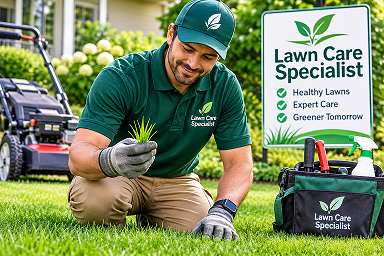
Lawn Care Specialist
A lawn care specialist takes care of lawns to keep them healthy, green, and looking nice. They know how to mow grass properly, trim edges, and clean up yards. They also use tools and equipment like lawnmowers, trimmers, and blowers. Their job is to make sure the lawn stays neat and tidy all year round.
In addition to mowing, a lawn care specialist might add fertilizer, remove weeds, and check for pests or diseases that can hurt the grass. They often follow a schedule to care for the lawn during each season, like watering more in the summer or cleaning up leaves in the fall. Their goal is to help the lawn grow well and look its best.
Duties and Responsibilities
The duties and responsibilities of a lawn care specialist typically include:
- Lawn Maintenance: Performing routine lawn maintenance tasks such as mowing, edging, and trimming to keep lawns neat, tidy, and well-groomed. This may involve operating lawn mowers, string trimmers, and other landscaping equipment to maintain the desired height and appearance of the grass.
- Fertilization and Weed Control: Applying fertilizers, herbicides, and other chemicals to promote healthy grass growth and control weeds. Lawn care specialists may analyze soil samples to determine nutrient deficiencies and customize fertilizer applications accordingly. They also identify and treat weeds to prevent them from competing with grass for nutrients and water.
- Aeration and Seeding: Aerating compacted soil to improve air circulation, water penetration, and nutrient absorption in the root zone. Lawn care specialists may use aerators to create small holes in the soil, allowing oxygen, water, and nutrients to reach the grass roots more effectively. They may also oversee overseeding activities to fill in bare patches and promote thicker, denser turf.
- Pest and Disease Management: Monitoring lawns for signs of pests, diseases, and other issues that can affect grass health. Lawn care specialists identify pest infestations, such as grubs or insects, and recommend appropriate treatments to control them. They may also diagnose and treat lawn diseases, such as fungal infections or turf diseases, to prevent further damage and promote recovery.
- Customer Service: Interacting with clients to understand their lawn care needs, preferences, and concerns. Lawn care specialists may provide recommendations for lawn care programs, discuss treatment options, and address any questions or issues raised by clients. They strive to deliver high-quality service and ensure customer satisfaction with their lawn care services.
- Equipment Maintenance: Maintaining and servicing lawn care equipment to ensure safe and efficient operation. Lawn care specialists perform routine maintenance tasks such as cleaning, sharpening blades, lubricating moving parts, and replacing worn or damaged components to keep equipment in good working condition.
Types of Lawn Care Specialists
There are several types of lawn care specialists that help to create and maintain healthy and beautiful lawns. Here are some of the most common types:
- Arborists: These specialists focus on the care and maintenance of trees, and provide services such as tree risk assessments, soil analysis, and tree health diagnosis and treatment.
- Irrigation Technicians: These experts design, install, and maintain irrigation systems to ensure that lawns receive the right amount of water. They help clients choose the right type of irrigation system for their lawn and provide guidance on how to conserve water.
- Landscapers: Landscapers create and maintain beautiful and functional outdoor spaces that enhance the quality of life for individuals and communities. They have a range of skills and knowledge in areas such as horticulture, design, and client communication.
- Tree Service Technicians: These specialists focus on the care and maintenance of trees, and are responsible for a wide range of services, including planting, pruning, trimming, and removing trees.
What is the workplace of a Lawn Care Specialist like?
The workplace of a lawn care specialist is primarily outdoors, where they spend the majority of their time performing various tasks to maintain and manage lawns and outdoor landscapes. Depending on the employer and the scope of their services, lawn care specialists may work in residential neighborhoods, commercial properties, parks, golf courses, or institutional settings such as schools or hospitals. They may also work in rural or suburban areas with large properties or expansive landscapes.
On a typical day, lawn care specialists travel to multiple job sites to perform a range of lawn maintenance tasks, such as mowing, trimming, fertilizing, aerating, and weed control. They work in diverse environments, from manicured lawns and gardens to open fields and wooded areas, adapting their techniques and equipment to suit the specific needs of each location. The outdoor nature of the work means that lawn care specialists are exposed to various weather conditions throughout the year, from sunny days to rain, heat, or cold, requiring them to dress appropriately and take precautions to ensure their safety and comfort.
In addition to performing hands-on lawn care tasks, lawn care specialists may also interact with clients and property owners to discuss lawn care programs, provide recommendations, and address any questions or concerns. They may work independently or as part of a team, collaborating with colleagues to coordinate tasks and ensure efficient service delivery.
How to become a Lawn Care Specialist
Becoming a lawn care specialist involves a combination of education, training, and practical experience. Here are the steps you can take to pursue a career as a lawn care specialist:
- Obtain a High School Diploma or Equivalent: While a high school diploma or equivalent is not always required, having a basic education is essential for understanding concepts related to lawn care, such as mathematics, biology, and chemistry.
- Gain Basic Knowledge and Skills: Familiarize yourself with basic lawn care principles, techniques, and equipment by reading books, watching instructional videos, or taking introductory courses in landscaping or horticulture. Look for opportunities to gain hands-on experience through volunteer work, internships, or part-time jobs with landscaping companies or nurseries.
- Consider Formal Education or Training: While not mandatory, pursuing formal education or training in horticulture, turfgrass management, or landscaping can provide valuable knowledge and skills relevant to a career as a lawn care specialist. Community colleges, vocational schools, and universities may offer certificate programs, associate degrees, or continuing education courses in these fields.
- Gain Practical Experience: Seek employment or apprenticeship opportunities with landscaping companies, lawn care service providers, or municipal parks departments to gain practical experience in lawn care operations. Start with entry-level positions, such as lawn maintenance technician or groundskeeper, and gradually work your way up to more specialized roles.
- Obtain Required Licenses or Certifications: Depending on your state or local regulations, you may need to obtain licenses or certifications to apply pesticides or herbicides as part of your lawn care services. Check with your state's department of agriculture or environmental protection agency for specific requirements and regulations.
- Continue Learning and Professional Development: Stay informed about industry trends, advancements in lawn care technology, and best practices by attending workshops, seminars, and continuing education courses offered by trade associations, professional organizations, or industry experts. Consider pursuing certifications to enhance your credentials and credibility in the field (see below).
Certifications
Certifications for lawn care specialists are not typically mandatory, but obtaining certification can demonstrate your commitment to professionalism, safety, and quality in the lawn care industry. Here are a few certifications that lawn care specialists may consider pursuing:
- Certified Lawn Care Technician (CLT): Offered by the National Association of Landscape Professionals (NALP), the CLT certification demonstrates proficiency in basic lawn care principles and practices. To obtain this certification, candidates must pass a written exam covering topics such as turfgrass types, fertilization, weed control, pest management, and equipment operation.
- Pesticide Applicator License: Depending on your state's regulations, you may need to obtain a pesticide applicator license to apply pesticides, herbicides, or other chemicals as part of your lawn care services. This typically involves completing a training program, passing a written exam, and obtaining a license from your state's department of agriculture or environmental protection agency.
- Certified Grounds Technician (CGT): Offered by the Professional Grounds Management Society (PGMS), the CGT certification is designed for professionals responsible for maintaining grounds and landscapes, including lawn care specialists. This certification covers a broad range of topics related to grounds management, including turf maintenance, plant health care, irrigation, and sustainable landscaping practices.
- Certified Turfgrass Professional (CTP): Offered by the Turfgrass Producers International (TPI), the CTP certification is geared towards professionals involved in the production, installation, and maintenance of turfgrass, including lawn care specialists. This certification covers topics such as turfgrass species, installation techniques, maintenance practices, and environmental stewardship.
- Manufacturer-Specific Certifications: Some lawn care equipment manufacturers offer training programs and certifications for professionals who use their products. For example, companies that manufacture lawn mowers, spreaders, or sprayers may offer certification programs to ensure proper operation and maintenance of their equipment.









User's Comments
No comments there.