

Stories you may like
Coffee Roaster
A coffee roaster is responsible for the art and science of transforming green coffee beans into the flavorful and aromatic roasted beans that are used for brewing coffee. This profession involves expertise in the intricacies of the coffee roasting process, including understanding the unique characteristics of different coffee bean varieties, managing roasting equipment, and ensuring consistent quality in the final product. Coffee roasters play a vital role in determining the flavor profile of coffee by carefully monitoring factors such as roasting time, temperature, and airflow to achieve the desired taste and aroma.
Coffee roasters need a deep understanding of coffee beans, a keen palate for flavor nuances, and the ability to adapt to evolving consumer preferences, making their role both artisanal and strategic in the dynamic and expanding world of specialty coffee.
Duties and Responsibilities
The duties and responsibilities of a coffee roaster encompass a range of tasks related to the roasting process, quality control, and often extend to other aspects of the coffee production cycle. Here are key responsibilities associated with the role:
- Roasting Operations: Evaluate and select high-quality green coffee beans based on origin, flavor profiles, and other characteristics. Operate and monitor coffee roasting equipment, adjusting variables such as temperature, airflow, and roasting time to achieve desired roast profiles. Conduct regular quality assessments to ensure consistency in roast profiles, flavor, and aroma.
- Coffee Bean Sourcing: Establish and maintain relationships with coffee bean suppliers, negotiating contracts, and ensuring a reliable and diverse supply chain. Collaborate with suppliers to source new and unique coffee bean varieties, staying informed about industry trends and emerging origins.
- Blend Development: Develop and refine coffee blends to achieve specific flavor profiles, ensuring consistency across batches. Engage in experimentation with different coffee bean combinations and roast profiles to create unique and marketable blends.
- Quality Assurance: Conduct regular cupping sessions to assess coffee quality, identify defects, and make adjustments to maintain or enhance the overall quality of the coffee. Maintain detailed records of roasting profiles, blend formulations, and quality assessments for future reference and analysis.
- Equipment Maintenance: Ensure that roasting equipment is properly maintained, calibrated, and in good working condition to achieve consistent results.
- Packaging and Distribution: Oversee the packaging process, ensuring that packaging meets quality standards and that coffee is stored in optimal conditions. Collaborate with distribution teams to ensure timely and efficient delivery of roasted coffee to retailers, cafes, or consumers.
- Regulatory Compliance: Stay informed about and comply with relevant industry regulations, certifications, and standards, including food safety and labeling requirements.
- Customer Engagement: Engage with customers, retailers, and cafes to provide education about the coffee roasting process, flavor profiles, and brewing methods. Incorporate customer feedback into the refinement of roast profiles and blends.
- Continuous Learning: Stay informed about the latest developments, trends, and innovations in the coffee industry, including new coffee varieties and processing methods.
Types of Coffee Roasters
Various roles contribute to the process of transforming green coffee beans into the flavorful roasted coffee that consumers enjoy. Here are some types of careers associated with coffee roasting:
- Master Roaster: A master roaster is a highly skilled professional responsible for overseeing the entire coffee roasting process. They have expertise in developing roast profiles, ensuring quality control, and managing the roasting team.
- Roastmaster: The roastmaster is a position that involves a combination of roasting skills and managerial responsibilities. Roastmasters oversee daily roasting operations, quality control, and may also be involved in sourcing green coffee beans.
- Roasting Technician: Roasting technicians work hands-on with the coffee roasting equipment, monitoring and adjusting parameters to achieve specific roast profiles. They may be responsible for routine maintenance and troubleshooting.
- Green Coffee Buyer: Green coffee buyers are responsible for sourcing high-quality green coffee beans from various regions. They work closely with suppliers, negotiate contracts, and stay informed about coffee-producing regions and trends.
- Coffee Roasting Production Manager: Production managers oversee the overall production process in a coffee roasting facility. They coordinate with different departments, manage inventory, and ensure production efficiency.
- Coffee Roasting Consultant: Coffee roasting consultants are experienced professionals who provide expertise to coffee roasting businesses. They may offer guidance on roast profiles, equipment selection, and overall operational improvements.
- Cupping Technician: Cupping technicians are skilled individuals who conduct cupping sessions to evaluate the sensory characteristics of coffee. They play an important role in assessing the quality and flavor profiles of different coffee batches.
- Coffee Sensory Analyst: Sensory analysts focus on analyzing the sensory attributes of coffee, including taste, aroma, and texture. They contribute valuable insights to improve the overall sensory experience of the coffee.
Workplace of a Coffee Roaster
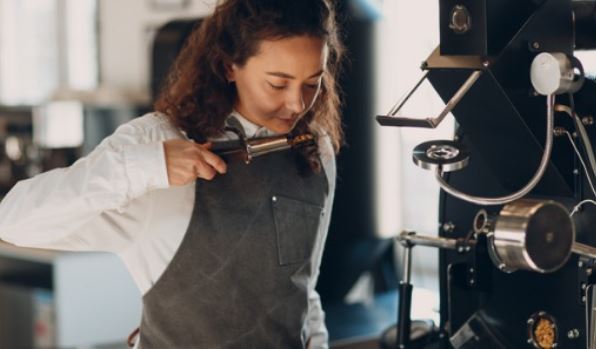
The workplace of a coffee roaster is dynamic and typically centered around the coffee roasting facility, which can vary from small artisanal roasteries to large-scale commercial operations. The environment is characterized by the distinct aroma of roasting coffee, the hum of roasting equipment, and a focus on precision and quality throughout the production process.
In a coffee roastery, the heart of the operation is the roasting room, where the coffee roaster, often a drum or air roaster, is situated. This is where the magic happens—where green coffee beans are carefully loaded, roasted, and transformed into the flavorful beans that will eventually be brewed into coffee. The roasting room is equipped with specialized machinery, including roasters, cooling trays, and sometimes advanced computerized systems that allow for precise control over the roasting parameters.
Adjacent to the roasting area, there may be a cupping room—a dedicated space for sensory analysis where coffee professionals, including roasters and quality control specialists, conduct cupping sessions to evaluate the flavor profiles of different coffee batches. The cupping room is essential for maintaining and fine-tuning the quality of the roasted coffee, ensuring consistency and excellence in every batch.
Additionally, the workplace of a coffee roaster may include spaces for green coffee storage, packaging, and administrative offices. Green coffee beans, sourced from various regions around the world, are often stored in a controlled environment to preserve their freshness and quality. Packaging areas are equipped with machinery for weighing, bagging, and sealing the roasted coffee beans before they are distributed to consumers or retail locations.
The atmosphere in a coffee roastery is often vibrant and collaborative, with a team of professionals working together to achieve common goals. The workplace may also include spaces for coffee education and training, where staff members, baristas, or even customers can learn more about the art of coffee roasting, different roast profiles, and brewing techniques.
How to become a Coffee Roaster
Becoming a coffee roaster involves a combination of education, practical experience, and a passion for coffee. Here are the general steps to pursue a career as a coffee roaster:
- Work in the Coffee Industry: Gain practical experience by working in the coffee industry. Start at entry-level positions such as a barista or cafe assistant to understand the basics of coffee preparation and customer service. This hands-on experience will provide insights into the broader coffee supply chain.
- Educational Background: Consider enrolling in formal coffee roasting courses offered by reputable organizations. Some specialty coffee associations, schools, and training centers provide courses that cover the principles of coffee roasting, equipment operation, and quality control. These courses can enhance your technical skills and knowledge.
- Work in a Roasting Facility: Once you have acquired foundational knowledge and some practical experience, seek employment in a coffee roasting facility. This can be a small artisanal roastery or a larger commercial operation. Working directly with roasting equipment and being involved in the roasting process is essential for skill development.
- Network with Coffee Professionals: Connect with experienced coffee roasters and other professionals in the coffee industry. Attend industry events, join coffee associations, and participate in coffee-related forums or social media groups. Networking can provide valuable insights, mentorship opportunities, and access to job openings.
- Consider Certification: While not mandatory, obtaining a certification, such as the Coffee Skills Program Roasting Module offered by the Specialty Coffee Association, can enhance your credibility and demonstrate your commitment to professional development (see below).
- Stay Informed and Evolve: Keep up-to-date with industry trends, advancements in coffee science, and emerging technologies in coffee roasting. Continuously refine your skills, experiment with new techniques, and stay curious about the ever-evolving world of specialty coffee.
Certifications
There are industry-recognized certifications and courses that can enhance your skills, knowledge, and credibility as a coffee roaster. Here are some relevant certifications:
- Coffee Skills Program - Roasting Module (SCA) - Offered by: Specialty Coffee Association (SCA): The SCA offers a comprehensive Coffee Skills Program with a specific module focused on roasting. This module covers various aspects of coffee roasting, including the roasting process, equipment operation, green coffee assessment, and quality control. Successful completion of the Roasting Module can lead to an SCA Roasting Certificate.
- Q Grader Certification (Coffee Quality Institute) - Offered by: Coffee Quality Institute (CQI): While primarily focused on coffee quality assessment (cupping), becoming a Q Grader through the CQI involves understanding various aspects of coffee, including the impact of roasting on flavor. Q Graders are trained to evaluate and score coffee based on specific criteria, providing valuable insights into the quality of the coffee.
- Roaster Guild of America (RGA) Certification - Offered by: Roaster Guild of America (RGA), a trade guild under the Specialty Coffee Association: The RGA offers educational programs and certifications for coffee roasters. The curriculum covers a range of topics related to roasting, from fundamental principles to advanced techniques. Completing RGA certifications can demonstrate a commitment to excellence in coffee roasting.
- National Coffee Association (NCA) Certifications - Offered by: National Coffee Association (NCA): The NCA offers various certifications and educational programs related to the coffee industry. While not exclusively focused on roasting, these certifications cover broader aspects of the coffee supply chain, including sustainability, trading, and quality standards.
Skills Needed to Become a Coffee Roaster
A Coffee Roaster is a professional who transforms raw green coffee beans into roasted coffee by controlling temperature, time, and roasting techniques. They develop unique coffee flavours, aromas, and textures while maintaining quality and consistency.
Essential Skills Needed for a Coffee Roaster
1. Knowledge of Coffee Beans: Understanding different coffee bean varieties, origins, characteristics, and quality grades.
2. Roasting Techniques: Knowledge of light, medium, and dark roasting methods and how they affect coffee flavour.
3. Temperature Control: Ability to monitor and adjust roasting temperatures to achieve the desired flavour profile.
4. Sensory Evaluation: Strong ability to identify coffee aromas, flavours, acidity, bitterness, and body through tasting.
5. Attention to Detail: Monitoring roasting time, temperature, colour changes, and bean development carefully.
6. Equipment Handling: Ability to operate, maintain, and troubleshoot coffee roasting machines and related equipment.
7. Quality Control: Ensuring that roasted coffee meets consistent standards for flavour, freshness, and quality.
8. Analytical Skills: Understanding roasting data and analysing results to improve coffee quality.
9. Creativity and Experimentation: Developing new roasting profiles and experimenting with different beans and roasting methods.
10. Problem-Solving Skills: Identifying roasting defects and correcting issues such as under-roasting or over-roasting.
11. Communication Skills: Working effectively with coffee suppliers, baristas, customers, and production teams.
12. Time Management: Managing roasting schedules, production targets, and delivery deadlines efficiently.
Salary of a Coffee Roaster (2026)
The salary of a Coffee Roaster varies depending on experience, roasting skills, location, employer, and the size of the coffee production company.
Salary in India
- Entry-Level Coffee Roaster: ₹1.8 lakh – ₹3 lakh per year.
- Mid-Level Coffee Roaster: ₹3 lakh – ₹5 lakh per year.
- Experienced Coffee Roaster: ₹5 lakh – ₹8 lakh per year.
- Senior Coffee Roaster / Head Roaster: ₹8 lakh – ₹12 lakh or more per year.
Salary in Other Countries
- United States: $30,000 – $55,000 per year.
- United Kingdom: £22,000 – £35,000 per year.
- Canada: CAD 32,000 – CAD 50,000 per year.
- Australia: AUD 50,000 – AUD 70,000 per year.
- Germany: €25,000 – €40,000 per year.
- UAE: AED 30,000 – AED 60,000 per year.
Factors Affecting Coffee Roaster Salary
- Years of professional experience.
- Knowledge of specialty coffee and roasting techniques.
- Coffee tasting and sensory evaluation skills.
- Certifications in coffee roasting.
- Location and reputation of the employer.
- Ability to manage roasting operations and production.







User's Comments
No comments there.