


Stories you may like
Roofer
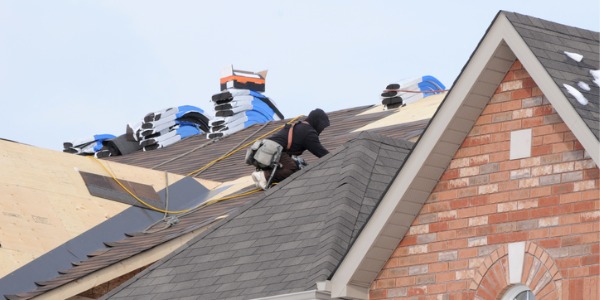
A roofer specializes in the installation, repair, and maintenance of roofs. Roofers work in the construction industry and are responsible for ensuring that roofs are structurally sound, weatherproof, and provide adequate protection for buildings and their occupants. They are employed by roofing contractors, construction companies, and sometimes work as independent contractors.
Roofers often work at heights and are exposed to different weather conditions, making it important for them to follow safety protocols and use protective gear. They need to have good physical stamina, as the job can involve lifting heavy materials and working in challenging environments. A roofer's expertise and attention to detail contribute to the overall quality, longevity, and functionality of roofs, making them essential contributors to the construction industry.
What does a Roofer do?
Roofs play an important role in safeguarding structures from weather elements such as rain, snow, and sunlight. Roofers possess the knowledge and skills to select and install appropriate roofing materials, ensuring that roofs are durable, watertight, and properly insulated. Without roofers, buildings would be vulnerable to leaks, structural damage, and compromised energy efficiency.
Duties and Responsibilities
The duties and responsibilities of a roofer can vary depending on the specific project and work environment. However, here are some common tasks and responsibilities associated with the role:
- Installation: Roofers are responsible for installing new roofs on buildings. This involves measuring and cutting roofing materials to fit the roof's dimensions, laying down underlayment, and attaching roofing materials such as shingles, tiles, or metal panels. They ensure that the materials are properly aligned, secured, and weatherproofed to provide a durable and watertight roof.
- Repair and Maintenance: Roofers are skilled in identifying and repairing various roofing issues. They may inspect roofs for damage, leaks, or deterioration and perform necessary repairs or replacements. This can involve fixing damaged shingles, repairing or replacing flashing, sealing leaks, or patching holes. Roofers also perform routine maintenance tasks such as cleaning gutters, removing debris, and inspecting for signs of wear and tear.
- Safety and Precautions: Roofers must prioritize safety while working at heights. They need to adhere to safety guidelines and use personal protective equipment (PPE) such as harnesses, helmets, and safety glasses. Roofers should be familiar with proper ladder usage and fall protection measures to prevent accidents and injuries on the job.
- Collaboration: Roofers often work as part of a team, collaborating with other construction professionals such as contractors, carpenters, and electricians. They may need to coordinate with team members to ensure proper sequencing of work and to integrate roofing tasks with other construction activities.
- Customer Service: Roofers may interact with customers, addressing their questions, concerns, and providing information about roofing materials, techniques, and maintenance. Good communication and customer service skills are important to ensure customer satisfaction and maintain positive relationships with clients.
Types of Roofers
There are several types of roofers, each specializing in different aspects of roofing installation, repair, and maintenance. Some roofers may have expertise in multiple areas or offer a combination of services. Here are some common types of roofers:
- Shinglers: Shinglers are roofers who specialize in the installation and repair of asphalt or fiberglass shingles. They are skilled in properly aligning and attaching shingles to create a watertight and aesthetically pleasing roof.
- Metal Roofers: Metal roofers specialize in working with metal roofing materials such as steel, aluminum, or copper. They have the expertise to install and repair metal roofs, which often require specific techniques and tools.
- Flat Roofers: Flat roofers specialize in installing and maintaining roofs with little or no slope, commonly found on commercial buildings or some residential structures. They are experienced in working with materials like modified bitumen, built-up roofing (BUR), or single-ply membranes.
- Slate and Tile Roofers: Slate and tile roofers specialize in working with natural or synthetic slate, clay, or concrete tiles. These materials require specific skills in handling, cutting, and securing the tiles to create durable and visually appealing roofs.
- Green Roof Installers: Green roof installers are experts in installing and maintaining roofs that incorporate vegetation or greenery. They have knowledge of specialized roofing systems that support plant growth, provide insulation, and contribute to environmental sustainability.
- Commercial Roofers: Commercial roofers focus on large-scale roofing projects for commercial and industrial buildings. They are familiar with various roofing systems, such as EPDM, TPO, PVC, or metal, and have experience with the specific challenges and requirements of commercial roofing.
- Residential Roofers: Residential roofers specialize in installing and repairing roofs for residential homes. They are knowledgeable about a wide range of roofing materials and are skilled in working on different types of residential roofs.
What is the workplace of a Roofer like?
The workplace of a roofer can vary depending on the type of roofing project and the specific environment in which they are working. Generally, roofers can be found working on residential homes, commercial buildings, construction sites, or industrial facilities.
Residential roofing often involves working on single-family homes or multi-unit housing complexes. Roofers may navigate through residential neighborhoods, accessing rooftops using ladders or scaffolding. They need to be mindful of the surrounding property and work with precision to ensure the roof is installed or repaired accurately. Residential roofers may interact with homeowners, discussing project details and addressing their concerns.
In the commercial sector, roofers can be seen working on larger-scale projects such as office buildings, retail centers, or warehouses. Commercial roofing may involve complex roofing systems and larger crews. Roofers may work on flat roofs or low-slope roofs, often requiring different techniques and materials compared to residential roofing. They may encounter more extensive roofing systems, such as EPDM, TPO, PVC, or metal, and must be knowledgeable about the specific requirements and regulations governing commercial roofing.
Construction sites provide another common workplace for roofers. They may collaborate with other construction professionals, such as carpenters, electricians, or plumbers, as part of a larger project. Roofers must coordinate their tasks with other trades and adapt to the construction schedule. Construction sites can be dynamic and ever-changing environments, requiring roofers to be adaptable and flexible in their work approach.
Industrial facilities, such as factories or manufacturing plants, may also require the expertise of roofers. These environments often have specialized roofing needs due to the unique demands of the industry. Roofers may need to navigate around machinery, equipment, or production lines while working on the roof. They must follow strict safety protocols and adhere to any additional regulations specific to the industrial setting.
How to become a Roofer
Here are some general steps you can follow to become a roofer:
- Obtain a high school diploma or equivalent: A high school education is typically the minimum requirement for entering the roofing profession. It provides a foundation of basic knowledge and skills that are useful in the industry.
- Acquire a driver's license: Roofers often need to travel to job sites and transport equipment and materials. Having a valid driver's license is typically a requirement for this profession.
- Gain relevant experience: While formal education is not always mandatory, gaining practical experience in construction or roofing can be beneficial. Consider working as a roofing assistant or apprentice to learn the trade from experienced professionals. This hands-on experience will help you develop skills and familiarity with roofing tools, materials, and techniques.
- Complete a roofing apprenticeship program (optional): Apprenticeship programs provide a structured learning experience and may be available through trade organizations, roofing contractors, or unions. These programs typically combine on-the-job training with classroom instruction, allowing you to learn the trade while earning a wage.
- Obtain necessary certifications: Although not always required, obtaining certifications can enhance your employability and demonstrate your competency as a roofer (see below).
- Develop important skills: Roofing requires physical strength, agility, and the ability to work at heights. Additionally, skills such as manual dexterity, attention to detail, problem-solving, and good communication are essential for success as a roofer.
- Seek employment or start your own business: Once you have gained the necessary skills and experience, you can search for job opportunities with roofing contractors, construction companies, or start your own roofing business.
Certifications
There are several certifications available for roofers to enhance their professional credentials and demonstrate their expertise in the field. Here are a few notable certifications:
- Roofing Contractor Certifications: These certifications are typically offered by roofing industry associations or organizations and focus on validating the skills and knowledge of roofing contractors. Examples include the Certified Roofing Contractor (CRC) certification offered by the National Roofing Contractors Association (NRCA) and the Certified Roofing Contractor (CRC) program offered by the Roofing Contractors Association of Texas (RCAT).
- Roofing System Manufacturer Certifications: Many roofing material manufacturers offer certification programs specific to their products. These certifications provide in-depth training on the installation and application of their roofing systems. For example, GAF offers the Master Elite® Contractor certification, which indicates expertise in installing and maintaining GAF roofing products.
- Safety Certifications: Safety certifications focus on promoting safety practices and protocols in the roofing industry. The Occupational Safety and Health Administration (OSHA) offers the OSHA 10-Hour and 30-Hour Construction Safety certifications, which cover general safety topics applicable to the construction industry, including roofing.
- Green Roof Certifications: With the growing interest in sustainable roofing practices, certifications related to green roofs have emerged. The Green Roof Professional (GRP) certification offered by Green Roofs for Healthy Cities (GRHC) is one such certification that demonstrates expertise in the design, installation, and maintenance of green roofs.








User's Comments
No comments there.