

Stories you may like
Dance Costume Designer
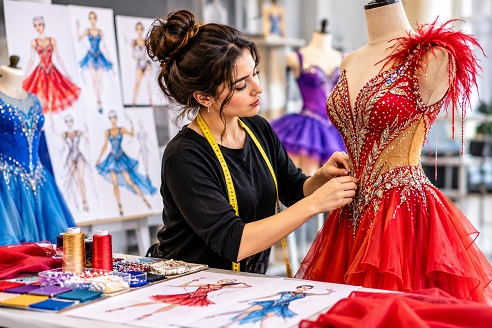
A dance costume designer is responsible for conceptualizing, designing, and creating costumes specifically tailored for dance performances. Their role goes beyond fashion design, as they must consider the functional and aesthetic requirements that dancers need during their performances. Dance costume designers collaborate closely with choreographers, directors, and dancers to understand the thematic elements, movement dynamics, and visual aesthetics of the dance piece.
Duties and Responsibilities
Dance costume designers are responsible for creating costumes tailored specifically for dance performances. Their duties include:
- Designing Costumes – They sketch and design costumes that complement the choreography, theme, and music of the dance performance. The designs need to be aesthetically pleasing and appropriate for the style of dance.
- Fabric Selection – Choosing the right materials is crucial. Dance costumes must allow for freedom of movement, durability, and sometimes specific properties like stretch, breathability, or visual effects under stage lighting.
- Customization and Fitting – Costumes are often custom-made to fit each dancer perfectly. This ensures comfort and prevents wardrobe malfunctions during performances.
- Collaboration – Dance costume designers work closely with choreographers, directors, and sometimes the dancers themselves to understand the vision and practical needs of the performance.
- Construction – In some cases, they also sew and construct the costumes themselves. In other cases, they may oversee a team of seamstresses and tailors.
- Knowledge of Dance – Understanding the movements and demands of different dance styles (ballet, contemporary, jazz, hip-hop, etc.) helps in designing costumes that enhance rather than hinder performance.
- Historical and Cultural Research – For performances based on historical or cultural themes, designers may need to research to ensure accuracy and respect in their designs.
- Budget Management – They typically must work within a budget, finding ways to create high-quality, effective costumes without overspending.
- Maintenance and Repairs – Dance costumes require maintenance and occasional repairs, especially if used for long-running shows or tours.
Types of Dance Costume Designers
Now that we have a sense of the scope of the dance costume designer’s work, let’s look at some different types of these designers, each specializing based on the dance genre, production scale, or specific aspects of costume design:
- Ballet Costume Designers specialize in designing costumes for ballet performances, focusing on classical and contemporary ballet attire such as tutus, leotards, and other dancewear that allows for the intricate movements of ballet.
- Contemporary Dance Costume Designers create costumes for modern and contemporary dance, often emphasizing simplicity, fluidity, and innovative designs that reflect the abstract and expressive nature of the dance style.
- Musical Theatre Costume Designers design costumes for dance-heavy musical theatre productions, balancing theatricality with the practical needs of dance performance.
- Cultural and Folk Dance Costume Designers focus on traditional costumes for cultural and folk dances, ensuring historical and cultural accuracy while allowing for the movements specific to these dance forms.
- Competitive Dance Costume Designers create elaborate and often highly decorative costumes for competitive dance genres such as ballroom, Latin, and dance sport, where visual impact and style are paramount.
- Hip-Hop and Street Dance Costume Designers design costumes for urban dance styles, emphasizing comfort, flexibility, and contemporary streetwear fashion.
- Costume Designers for Large-Scale Productions work on major productions like dance companies, tours, or large theatrical performances, managing extensive costume design and production processes.
- Children's Dance Costume Designers specialize in designing costumes for children's dance performances, focusing on safety, comfort, and age-appropriate designs.
- Quick-Change Costume Designers specialize in creating costumes that can be changed quickly during performances, incorporating practical elements like Velcro, snaps, and stretchy fabrics to facilitate fast and efficient costume changes.
- Innovative and Technological Costume Designers focus on incorporating technology and innovative materials into dance costumes, such as LED lights, interactive elements, or advanced fabrics that enhance performance.
Workplace of a Dance Costume Designer
Dance costume designers can work for a variety of organizations and individuals within the performing arts industry. These are among their most common employers:
- Dance Companies – Professional ballet, contemporary, and other dance companies often have in-house costume designers or hire freelance designers for their productions.
- Theaters and Performing Arts Centers – These venues employ costume designers for their dance-heavy productions, including musicals and theater performances that feature significant dance components.
- Production Companies – Companies that produce large-scale performances, tours, or commercial shows may hire costume designers to create and manage costumes for their productions.
- Film and Television Studios – Dance costume designers may be hired to design costumes for movies, TV shows, and commercials that involve dance scenes.
- Dance Schools and Academies – These institutions often employ costume designers for student performances, recitals, and competitions.
- Event Production Companies – Companies that produce special events, including corporate events, fashion shows, and live performances, may hire dance costume designers for their projects.
- Choreographers and Dance Directors – Individual choreographers or directors may employ costume designers to work on specific projects or ongoing collaborations.
- Cultural and Community Organizations – These organizations often hire costume designers for cultural festivals, community performances, and folk dance events.
- Dance Competitions – Organizations that host dance competitions and events may hire designers to create costumes for participating teams or individual dancers.
- Freelance and Independent Designers – Many dance costume designers work on a freelance basis, taking on projects from various clients, including dance companies, theaters, and individual dancers.
The workplace of a dance costume designer can vary widely depending on the nature of their employment and the specific projects they are working on:
- Design Studios – Many dance costume designers work in dedicated design studios, which are equipped with drawing tables, sewing machines, fabrics, and various design tools. These studios provide a space for sketching, pattern-making, sewing, and fitting costumes.
- Theaters and Performance Venues – Designers often spend time at theaters or performance venues, particularly during the fitting and final adjustments stages. They may need to see how costumes look under stage lighting and how they move with the dancers.
- Dance Company Facilities – For those employed by dance companies, the workplace may include the company's headquarters or rehearsal spaces. Designers work closely with dancers and choreographers, observing rehearsals to ensure the costumes function well during performances.
- Production Workshops – Large-scale productions or theater companies may have dedicated costume workshops where teams of designers, seamstresses, and artisans collaborate on costume construction and alterations.
- Freelance and Home Studios – Freelance designers often work from home studios, which they equip with the necessary tools and materials for designing and constructing costumes. This setup provides flexibility but requires self-discipline and organization.
- On-Site Locations – For film, television, or touring productions, costume designers may work on-location, traveling with the production team to various venues or sets. This often involves managing costume logistics, fittings, and adjustments on the go.
- Collaboration Spaces – Dance costume designers frequently collaborate with other members of the production team, including directors, choreographers, lighting designers, and makeup artists. Meetings and collaborative sessions might take place in conference rooms, rehearsal spaces, or creative studios.
- Fabric and Material Suppliers – Designers often visit fabric stores, textile suppliers, and costume rental shops to source materials and inspiration for their designs. These trips are essential for selecting the right fabrics and accessories.
- Backstage Areas – During performances, costume designers may work backstage, assisting with quick changes, last-minute alterations, and ensuring that all costumes are performance-ready.
In essence, the workplace of a dance costume designer is dynamic and varied, requiring adaptability and the ability to work in different environments, from quiet design studios to bustling theaters and on-location sets.
How to become a Dance Costume Designer
Becoming a dance costume designer typically involves combining passions for dance and fashion with formal education and practical training. Here’s an outline of the pathway to the career:
High School Diploma
Take courses in art, design, textiles, and home economics. Participate in extracurricular activities like art clubs, fashion clubs, or theater clubs. Aim for strong performance in subjects like mathematics, which is useful for pattern making and measurements, and English, which helps in communication and presentation skills.
Bachelor’s Degree
While not always mandatory, many aspiring dance costume designers pursue a bachelor’s degree in a discipline related to the field. These are popular options:
- Costume Design – Some universities and art schools offer specific degrees in costume design, focusing on creating costumes for theater, film, and television. These programs emphasize historical research, design principles, and practical skills.
- Fashion Design – A degree in fashion design provides comprehensive training in garment construction, fabric selection, pattern making, fashion illustration, and fashion history. Programs often include practical projects and portfolio development.
- Theater Arts – A degree in theater arts with a concentration in costume design covers various aspects of theater production, including costume history, design, and construction. Students often get hands-on experience in school productions.
- Fine Arts / Visual and Performing Arts – An undergraduate degree in one of these disciplines can provide a strong foundation in art and design, which is beneficial for costume designers.
Particularly relevant coursework for aspiring dance costume designers includes:
- Sewing and Garment Construction – Classes that teach sewing techniques, pattern making, and garment construction are essential.
- Textile Studies – Understanding different fabrics, their properties, and how they can be used in costume design is crucial.
- Fashion and Costume History – Courses in fashion history and art history help designers understand fashion eras and cultural costumes and accurately recreate historical clothing styles.
- Drawing and Illustration – Skills in sketching and illustrating costume designs are important for communicating ideas.
- Dance – Introductory-level courses in dance can help designers develop a broader appreciation for working in the dance sector.
Master’s Degree (Optional)
While not common, pursuing a master’s degree in costume or fashion design, or a related field can provide advanced knowledge and specialized training. In lieu of a master’s degree, some institutions may offer postgraduate certificates in these areas of design.
Workshops and Short Courses
Attending workshops and seminars, and taking short courses in specific areas of costume design (e.g., theatrical costume design, dancewear construction, fabric manipulation techniques, or costume embellishment) can enhance a designer’s skill set.
Internships and Practical Experience
Seek out internships with established costume designers, dance schools and companies, theaters, or film production companies. Internships provide hands-on training and opportunities to make industry connections. Be willing to take on various roles within the costume department, such as costume assistant, wardrobe assistant, alterationist, or costume researcher to develop a wider understanding of the industry.
Participate in costume design for student, independent, or community theater and film productions. Consider freelancing or working on a contract basis for different productions. These experiences help to build a diverse portfolio and establish a reputation in the field.
Portfolio Development and Online Presence
Focus on building a strong portfolio showcasing research or concept boards, fabric swatches, design sketches, and photographs of your designs in action. Including examples of work on various projects, with an emphasis on multiple dance styles and performance requirements, is essential for demonstrating skills to potential employers.
Develop an online portfolio or personal website to display your work. Use social media platforms to share your designs. Participate in online forums and social media groups related to costume design, dance genres, and the theater community.
Specialization (Optional)
If you have a particular interest or strength in a specific area, such as ballet, contemporary, or cultural dance costumes, develop your expertise in that niche to stand out in the field.
Continuous Learning and Networking
Continuously enhance your skills by taking advanced courses in dance costume design, as well as the broader arena of fashion design. Stay informed about current fashion trends, new materials, and techniques in the fields. Attend dance performances, theater productions, costume exhibitions, and industry conferences to meet like-minded professionals and learn about potential job opportunities or collaborations.
Network and forge strong relationships with choreographers, directors, and performers. Positive word-of-mouth and recommendations can lead to more opportunities.
Certifications
The following certifications, though not specific to the costume design community, can enhance the dance costume designer’s skills, knowledge, and credibility in the industry:
- Master Sewing and Design Professional (MSDP) – Offered by the Association of Sewing and Design Professionals (ASDP), the MSDP Certification Program tests the knowledge and skills of seven important areas: fabric, design, fashion illustration, fit, garment construction, pattern development, and professional practices.
- Master Alteration Specialist (MAS) – Also offered by the ASDP, the MAS Certification Program tests the knowledge and skill of five important areas: fabrics, alteration techniques, alteration fit, alteration overview, and professional practices.
- Sustainability Certifications – With growing emphasis on sustainability in the fashion and textile industries, certifications related to sustainable fashion and ethical practices and processes can be valuable. Organizations like the Sustainable Apparel Coalition, the Global Organic Textile Standard (GOTS), and Bluesign offer certifications and training programs focused on sustainability in fashion design and production.
- Adobe Certified Expert (ACE) – Adobe offers certifications for its software products, including Adobe Illustrator and Adobe Photoshop, which are commonly used by costume designers for sketching, pattern making, and design development. Becoming an Adobe Certified Expert demonstrates proficiency in these essential design tools.
Professional Organizations
The following organizations play crucial roles in fostering professional development, providing support networks, and advocating for the recognition and rights of costume designers within the entertainment industry:
- National Association of Schools of Theatre (NAST) – The NAST is an organization that accredits theater and performing arts programs, providing standards and guidelines that can be relevant to aspiring costume designers seeking education and training.
- Costume Designers Guild (CDG) – The CDG is a labor union representing costume designers, assistant costume designers, and costume illustrators in film, television, commercials, and other media. It offers membership benefits such as access to industry events, workshops, job listings, and professional development opportunities.
- The Costume Society – The Costume Society is a UK-based organization that promotes the study of all aspects of clothing and textiles. While not exclusively for dance costume designers, it offers valuable resources, conferences, and publications related to costume history and design.
- The Costume Society of America (CSA) – The CSA is a varied group of professionals representing museums, libraries, theaters, academia, apparel, merchandising, private collections, and reenactment organizations. It promotes personal connections and discovery about clothing, fashion, and costume – its history, design, construction, merchandising, and preservation.
- International Costumers' Guild (ICG) – The ICG is a nonprofit organization dedicated to the art of costume design and creation. It has chapters worldwide that host events, workshops, and provide networking for costume enthusiasts and professionals.
- American Theatrical Costume Association (ATCA) – The goal of the American Theatrical Costume Association is to connect a community of costume educators, focusing on the dual responsibilities of teaching and research.
- International Textile and Apparel Association (ITAA) – The ITAA promotes research and education in textile and apparel fields, offering conferences and publications relevant to dance costume designers.
- International Textile Manufacturers Federation (ITMF) – The ITMF represents the global textile industry, including manufacturers, designers, and suppliers of textiles. It publishes industry reports and research.
- International Alliance of Theatrical Stage Employees (IATSE) – The IATSE represents various entertainment industry professionals, including costume designers and artisans, offering resources, benefits, and union representation.
- United States Institute for Theatre Technology (USITT) – USITT is a leading organization for design, production, and technology professionals in the performing arts and entertainment industry. It offers conferences, workshops, publications, and networking opportunities.
Skills Needed for a Dance Costume Designer
A Dance Costume Designer creates, designs, and selects costumes for dancers performing in stage shows, dance competitions, films, television programmes, and cultural performances. They combine creativity, fashion knowledge, and practical skills to design costumes that suit different dance styles while allowing performers to move comfortably.
1. Creative and Artistic Skills
- Ability to develop original and attractive costume designs.
- Knowledge of colours, patterns, textures, and visual styles.
- Creativity to design costumes that match the theme and mood of a performance.
- Ability to transform artistic ideas into wearable costumes.
2. Fashion Design Skills
- Understanding of fashion trends and clothing styles.
- Knowledge of garment construction and clothing design.
- Ability to sketch costume ideas and create design illustrations.
- Understanding of different fabrics, materials, and accessories.
3. Sewing and Tailoring Skills
- Ability to stitch, alter, and repair costumes.
- Knowledge of sewing machines and hand-stitching techniques.
- Understanding of measurements, fitting, and garment adjustments.
- Ability to add decorative elements such as beads, sequins, embroidery, and lace.
4. Knowledge of Dance Styles
- Understanding of classical, contemporary, ballet, hip-hop, folk, and modern dance.
- Ability to design costumes according to the requirements of each dance style.
- Knowledge of traditional costumes used in cultural performances.
- Understanding of how costumes influence dancers' movements and appearance.
5. Fabric and Material Knowledge
- Ability to select suitable fabrics for different performances.
- Knowledge of fabric durability, flexibility, weight, and comfort.
- Understanding of materials such as silk, cotton, chiffon, satin, velvet, and stretch fabrics.
- Ability to choose fabrics that are suitable for stage lighting and movement.
6. Communication Skills
- Ability to understand the requirements of choreographers, dancers, and directors.
- Good communication with costume assistants and production teams.
- Ability to explain design ideas clearly.
- Willingness to accept feedback and make necessary changes.
7. Attention to Detail
- Ensuring costumes have accurate measurements and proper fitting.
- Checking stitching, finishing, and decorative details.
- Making sure costumes are comfortable and safe for dancers.
- Maintaining consistency in costumes for group performances.
8. Time Management Skills
- Ability to complete costume designs before performance deadlines.
- Managing multiple costume projects simultaneously.
- Planning fittings, alterations, and costume preparation.
- Working efficiently during rehearsals and production schedules.
9. Budgeting and Cost Management
- Ability to estimate costume production costs.
- Selecting affordable and high-quality materials.
- Managing costume budgets effectively.
- Avoiding unnecessary material wastage.
10. Computer and Digital Design Skills
- Knowledge of fashion design software such as Adobe Illustrator and CorelDRAW.
- Ability to create digital costume sketches.
- Understanding of digital mood boards and design presentations.
- Basic knowledge of computer-aided design (CAD) tools.
11. Problem-Solving Skills
- Finding quick solutions to costume-related problems.
- Making emergency repairs during performances.
- Adjusting costumes to suit different body types.
- Designing costumes that balance beauty, comfort, and flexibility.
12. Teamwork and Collaboration
- Working closely with choreographers, dancers, directors, and stage managers.
- Coordinating with tailors and costume assistants.
- Supporting costume changes during performances.
- Maintaining a positive and cooperative working environment.
Salary of a Dance Costume Designer
The salary of a Dance Costume Designer varies depending on experience, creativity, location, employer, and the type of performances they work on. Designers working in films, television, theatre, dance companies, and large entertainment productions may earn higher salaries.
1. Salary in India
- Entry-Level: ₹15,000 – ₹25,000 per month
- Mid-Level: ₹25,000 – ₹50,000 per month
- Experienced: ₹50,000 – ₹80,000 per month
- Senior Costume Designer: ₹80,000 – ₹1,50,000+ per month
2. Salary in Other Countries
- United States: $35,000 – $75,000 per year
- United Kingdom: £22,000 – £45,000 per year
- Canada: CAD 35,000 – CAD 65,000 per year
- Australia: AUD 45,000 – AUD 80,000 per year
- UAE: AED 30,000 – AED 72,000 per year
3. Freelance Salary
Freelance Dance Costume Designers may charge per costume or project. Their earnings depend on the number of costumes, design complexity, materials, and client budget.








User's Comments
No comments there.