


Stories you may like
Security Guard
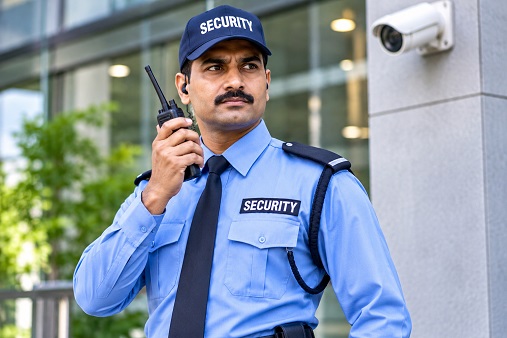
A security guard is responsible for maintaining a safe and secure environment in various settings, such as commercial properties, residential complexes, events, and public spaces. Their primary duty is to prevent and deter unauthorized access, theft, vandalism, and other potential security threats. Security guards often conduct routine patrols of the premises, monitor surveillance systems, and enforce rules and regulations to ensure the safety of people and property. They may also respond to alarms, disturbances, and emergencies, taking appropriate actions to address the situation and alerting law enforcement or relevant authorities if necessary.
In addition to their security-focused tasks, security guards often play a role in customer service by providing assistance and information to visitors or employees. Depending on the specific setting, they might check identification, issue visitor badges, and offer directions. While some security guard positions may involve armed roles, many guards work unarmed and rely on their observation skills, conflict resolution abilities, and adherence to protocols to ensure the safety and well-being of the premises they are assigned to protect.
Security guards serve as a critical line of defense against security threats, working to create a secure and safe environment for people and property while upholding a professional and vigilant demeanor.
Duties and Responsibilities
Here's a breakdown of the duties and responsibilities of a security guard:
- Surveillance and Monitoring: Security guards are responsible for observing and monitoring their assigned area to prevent security breaches, theft, vandalism, and unauthorized access. They use surveillance equipment such as cameras and alarms to maintain a constant watch over the premises.
- Access Control: Security guards manage access points, ensuring that only authorized individuals are allowed entry. They check identification, issue visitor badges, and maintain logs of visitors' arrivals and departures.
- Patrols: Conducting regular patrols of the premises is a critical task. Security guards walk or drive around designated areas to deter potential threats and to promptly identify any unusual or suspicious activities.
- Emergency Response: In the event of an emergency, security guards are often the first responders. They assess the situation, provide assistance to those in need, and follow established protocols to contact law enforcement or emergency services when necessary.
- Conflict Resolution: Security guards are trained in conflict de-escalation techniques to handle situations involving disagreements, disturbances, or disputes. They work to diffuse tensions and resolve conflicts peacefully whenever possible.
- Reporting: Detailed reporting is a vital aspect of a security guard's role. They document incidents, write incident reports, and maintain accurate records of daily activities, observations, and any security-related occurrences.
- Safety Checks: Security guards conduct safety checks to ensure that fire exits, emergency equipment, and alarm systems are in working order. They may also monitor fire and life safety systems.
- Customer Service: Many security guard roles involve interacting with the public, employees, and visitors. Security guards provide information, directions, and assistance as needed, contributing to a positive and safe environment.
- Preventive Measures: Security guards implement preventive measures to reduce security risks. This might include locking doors, securing windows, and ensuring that valuable items are stored properly.
- Collaboration with Law Enforcement: When serious incidents occur, security guards collaborate with law enforcement officers to provide information, assistance, and support during investigations.
- Training and Drills: Security guards undergo training in areas such as emergency response, security protocols, and legal regulations. They participate in drills to ensure they are well-prepared to handle various situations.
- Adherence to Regulations: Security guards must be knowledgeable about laws and regulations related to security, privacy, and trespassing. They ensure compliance with these regulations to avoid legal issues.
- Maintaining Order: In crowded settings like events or public venues, security guards help maintain order and ensure the safety of attendees by enforcing rules and regulations.
- Property Protection: Protecting property from theft, vandalism, and damage is a core responsibility. Security guards monitor areas vulnerable to security breaches and take preventive measures.
- Deterring Criminal Activity: A significant aspect of a security guard's role is to deter criminal activity through their visible presence and vigilant monitoring.
Types of Security Guards
Security guards hold various specialized roles depending on the specific nature of the job, the industry they work in, and the skills required. Here are some types of security guards you might find:
- Unarmed Security Guards: These guards are responsible for maintaining security without carrying firearms. They focus on observation, patrols, access control, and conflict resolution. Unarmed security guards are commonly found in commercial properties, residential complexes, and public spaces.
- Armed Security Guards: Armed guards have received additional training and licensing to carry firearms as part of their duties. They often work in high-security environments, such as banks, government buildings, and critical infrastructure sites. Armed security guards are trained in firearm safety, conflict de-escalation, and responding to armed threats.
- Event Security Guards: Event security guards are hired to ensure the safety of attendees at concerts, sports events, conferences, and other gatherings. They manage access points, monitor crowds, and respond to any incidents that might arise during the event.
- Retail Security Guards: These guards work in retail environments to prevent theft, shoplifting, and disturbances. They monitor surveillance cameras, conduct store patrols, and engage with customers to maintain a secure shopping atmosphere.
- Corporate Security Guards: Corporate security guards protect office buildings, corporate campuses, and business facilities. They manage access control, conduct security checks, and may also be responsible for safeguarding sensitive information.
- Hospital Security Guards: In healthcare settings, security guards ensure the safety of patients, visitors, and staff. They manage access to restricted areas, respond to disturbances, and may assist in patient management during emergencies.
- Residential Security Guards: Security guards in residential settings, such as gated communities and apartment complexes, focus on access control, patrols, and providing a sense of security for residents.
- Educational Institution Security Guards: These guards work in schools, colleges, and universities to maintain a safe learning environment. They monitor entrances, respond to emergencies, and assist in preventing unauthorized access.
- Transportation Security Guards: Guards in transportation settings, such as airports, train stations, and bus terminals, ensure the safety of passengers and the security of transportation infrastructure. They manage security checkpoints, monitor baggage, and respond to any security threats.
- Hotel Security Guards: Hotel security guards are responsible for ensuring the safety and well-being of guests, staff, and property within the hotel premises. They manage access to rooms and facilities, respond to guest requests, and address any security incidents.
- Industrial Security Guards: These guards work in industrial settings like manufacturing plants, warehouses, and factories. They monitor entrances, prevent theft of materials or equipment, and ensure compliance with safety protocols.
- Bodyguards: Bodyguards provide security and personal protection to high-profile individuals, celebrities, executives, and dignitaries. Their focus is on preventing threats and ensuring the safety of their clients.
Workplace of a Security Guard
The workplace of a security guard is dynamic and diverse, as their duties span across various industries and settings. Security guards can be found in a wide range of environments, including office buildings, retail stores, events, healthcare facilities, transportation hubs, and more. The nature of their workplace largely depends on the specific role they hold and the industry they serve.
In many cases, security guards split their time between indoor and outdoor locations. Indoor settings might include monitoring security cameras and access points from a central control room, interacting with visitors and employees at a front desk, or patrolling hallways and corridors to ensure the safety of the premises. They are responsible for observing any unusual activities, enforcing rules and regulations, and responding to emergencies.
Outdoor environments also play a significant role in a security guard's workplace. Guards often conduct patrols around the perimeter of a property, monitor parking lots, and keep an eye on entrances and exits. In some instances, such as event security or transportation security, guards may be stationed outdoors to manage crowds, direct traffic, and ensure the safety of individuals moving through the area.
Regardless of the specific setting, effective communication is key. Security guards interact with a diverse range of individuals, including employees, visitors, clients, and the general public. They might provide directions, answer questions, or offer assistance, contributing to a positive and secure atmosphere.
Security guards often work in shifts, including nights, weekends, and holidays, to ensure 24/7 coverage. This means that their workplace can change based on the time of day or the schedule of the establishment they are protecting. The responsibilities of a security guard can be physically demanding, requiring them to remain alert and vigilant throughout their shifts, whether indoors or outdoors.
In terms of attire, security guards typically wear uniforms or attire that identifies them as security personnel. This helps them maintain a professional appearance and clearly communicate their role to others.
How to become a Security Guard
Becoming a security guard involves several steps to ensure you meet the necessary requirements and receive proper training for the role. Here's a general overview of the process:
- Check State Requirements: Security guard licensing and training requirements vary by state. Research the specific requirements in the state where you intend to work. Some states have specific regulations, training programs, and licensing procedures.
- Meet Basic Eligibility: Generally, you must be at least 18 years old, have a high school diploma or equivalent, and be a legal US resident or citizen to work as a security guard.
- Choose a Sector: Decide on the type of security guard role you're interested in, as different sectors (retail, corporate, event, etc.) may have varying training and skill requirements.
- Complete Training: Most states require security guards to complete training programs approved by the state's regulatory agency. The training covers topics such as legal responsibilities, emergency procedures, communication skills, ethics, and conflict resolution. Training can range from a few hours to several weeks, depending on the state and the type of security guard role.
- Apply for a License: After completing the required training, you'll need to apply for a security guard license with the appropriate state agency. This often involves submitting an application, providing proof of training completion, and undergoing a background check. Some states may also require fingerprinting.
- Pass Examinations: In some states, you may need to pass an examination as part of the licensing process. The exam typically assesses your understanding of the training material and your ability to apply it to real-life scenarios.
- Obtain Additional Certifications: Depending on your specialization or the industry you work in, you might need additional certifications. For example, armed security guards usually need to complete specific firearm training and obtain relevant permits.
- Apply for Jobs: With your license and any necessary certifications in hand, you can start applying for security guard positions. Consider reaching out to security companies, businesses, event organizers, or organizations that match your chosen sector.
- Undergo On-the-Job Training: Once hired, you might receive on-the-job training specific to the company's policies, procedures, and the environment you'll be working in. This training can help you become familiar with the location, the security systems in place, and your specific duties.
- Continuing Education: Many states require security guards to undergo periodic training and renew their licenses. Stay up-to-date with any ongoing training requirements to ensure you maintain your eligibility to work as a security guard.
- Develop Soft Skills: Effective communication, conflict resolution, and observation skills are vital for security guards. Work on developing these soft skills to excel in your role.
Certifications
Certifications for security guards can vary based on the type of security role, the industry, and the state you're working in. Here are some common certifications that security guards may pursue to enhance their skills and qualifications:
- Basic Security Guard Certification: This certification covers fundamental topics related to security, including legal and ethical responsibilities, emergency procedures, communication skills, and conflict resolution. It's often a requirement for obtaining a security guard license in many states.
- Armed Security Guard Certification: For those who wish to work as armed security guards, specialized training and certification are necessary. This certification typically involves firearm safety, marksmanship, and legal considerations for carrying and using firearms on the job.
- CPR and First Aid Certification: Many employers and states require security guards to hold a current CPR (Cardiopulmonary Resuscitation) and first aid certification. This training prepares guards to respond effectively in medical emergencies.
- Crowd Control Certification: If you're interested in event security or working in settings with large gatherings, a crowd control certification can teach you techniques to manage crowds, maintain order, and ensure the safety of attendees.
- Loss Prevention Certification: For security guards working in retail settings, loss prevention certification can be valuable. This training focuses on preventing theft, shoplifting, and fraud.
- Executive Protection Certification: Security guards interested in executive protection or bodyguard roles may pursue specialized training in this field. Certification programs cover advanced security tactics, risk assessment, and providing personal protection to high-profile individuals.
- Transportation Security Certification: Security guards working in transportation settings (airports, bus terminals, etc.) may need specific training in aviation security, passenger screening procedures, and handling security threats related to transportation.
- Firearms Training and Certification: If you're working in an armed security role, you'll likely need to undergo specialized firearms training and obtain the necessary permits to carry and use firearms on the job.
- State-Specific Certifications: Depending on the state you're working in, there may be additional certifications or training requirements unique to that jurisdiction. Always check with your state's regulatory agency to ensure you meet all necessary requirements.
Skills Needed for a Security Guard
A Security Guard is responsible for protecting people, buildings, property, and valuable assets from theft, vandalism, accidents, and unauthorized access. They monitor premises, identify suspicious activities, respond to emergencies, and maintain a safe environment in places such as offices, schools, hospitals, shopping malls, banks, factories, and residential communities.
1. Observation and Alertness
- Ability to remain alert and attentive throughout working hours.
- Identifying suspicious behaviour and unusual activities.
- Monitoring people, vehicles, and surroundings carefully.
- Noticing potential security threats before they become serious.
2. Communication Skills
- Communicating clearly with visitors, employees, and management.
- Giving instructions and providing safety information.
- Reporting security incidents accurately.
- Maintaining professional communication during difficult situations.
3. Physical Fitness and Stamina
- Maintaining good physical health and fitness.
- Standing, walking, and patrolling for extended periods.
- Responding quickly to emergencies.
- Having the stamina to perform long shifts.
4. Emergency Response Skills
- Responding quickly to fires, accidents, and medical emergencies.
- Understanding basic emergency procedures.
- Assisting people during evacuations.
- Contacting police, ambulance, and fire services when necessary.
5. Problem-Solving Skills
- Identifying security problems and finding suitable solutions.
- Handling unexpected situations calmly.
- Making appropriate decisions during emergencies.
- Preventing conflicts from becoming serious incidents.
6. Knowledge of Security Procedures
- Understanding access control and visitor management.
- Checking identification cards and entry permits.
- Following workplace security rules and regulations.
- Conducting regular security inspections and patrols.
7. First Aid Knowledge
- Providing basic first aid during injuries and accidents.
- Understanding CPR and basic emergency care.
- Recognizing signs of medical emergencies.
- Assisting injured individuals until medical professionals arrive.
8. Conflict Management Skills
- Handling arguments and disagreements professionally.
- Maintaining control in stressful situations.
- Using peaceful communication to resolve conflicts.
- Knowing when to seek assistance from supervisors or law enforcement.
9. Technical Skills
- Operating CCTV cameras and surveillance systems.
- Using security alarms and access control systems.
- Monitoring electronic security equipment.
- Maintaining basic knowledge of communication devices and security technology.
10. Honesty and Integrity
- Maintaining trustworthiness and professional ethics.
- Protecting confidential information.
- Following security policies without personal bias.
- Avoiding misuse of authority or company property.
11. Teamwork Skills
- Working effectively with other security personnel.
- Coordinating with supervisors and emergency response teams.
- Sharing important security information.
- Supporting colleagues during challenging situations.
12. Time Management and Discipline
- Arriving on time and following duty schedules.
- Conducting regular patrols and inspections.
- Maintaining accurate security logs and reports.
- Following instructions and workplace procedures responsibly.
13. Attention to Detail
- Checking visitor records and identification documents carefully.
- Observing changes in the surrounding environment.
- Identifying damaged locks, suspicious objects, or security weaknesses.
- Recording incidents with accurate information.
Salary of a Security Guard
The salary of a Security Guard depends on experience, qualifications, location, employer, working hours, and level of responsibility. Security Guards working in private companies, banks, hospitals, airports, hotels, and government organizations may receive different salary packages.
1. Salary in India
- Entry-Level: ₹10,000 – ₹15,000 per month
- Mid-Level: ₹15,000 – ₹22,000 per month
- Experienced: ₹22,000 – ₹30,000 per month
- Senior Security Guard: ₹30,000 – ₹40,000+ per month
- Security Supervisor: ₹25,000 – ₹45,000+ per month
2. Salary in Other Countries
- United States: $28,000 – $45,000 per year
- United Kingdom: £22,000 – £32,000 per year
- Canada: CAD 32,000 – CAD 50,000 per year
- Australia: AUD 50,000 – AUD 70,000 per year
- United Arab Emirates: AED 18,000 – AED 36,000 per year
- Singapore: SGD 24,000 – SGD 36,000 per year
3. Factors Affecting Salary
- Years of professional experience.
- Educational qualifications and security training.
- Type of organization and workplace.
- Location and cost of living.
- Additional skills such as first aid, CCTV monitoring, and emergency response.
- Night shifts, overtime, and additional responsibilities.








User's Comments
No comments there.