

Stories you may like
Portrait Photographer
Portrait photographers are part artist, part technician. They are experts in capturing compelling and visually striking images of individuals or groups, focusing on facial expressions, emotions, and unique characteristics. They excel in guiding subjects on posing, employing effective lighting techniques, selecting suitable locations or backgrounds, and utilizing professional-grade equipment to produce high-quality photographs that showcase the essence and personality of the subjects. Through careful composition and post-processing, they aim to create images that resonate with viewers and tell a story through the art of portraiture.
Duties and Responsibilities
A day in the life of a portrait photographer typically entails:
- Consultation and Planning – Meet with clients to understand their preferences, goals, and the purpose of the portraits (e.g., personal, professional, special event). Discuss concepts, styles, locations, clothing, and any specific requests.
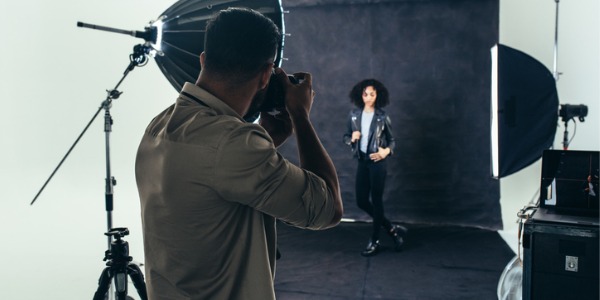
- Preparation and Setup – Arrange and set up the necessary photography equipment, including cameras, lenses, lighting, and backdrops. Choose an appropriate shooting location, whether it's a studio, outdoor environment, or client's preferred setting.
- Posing and Direction – Guide and direct subjects on how to pose to achieve desired looks and expressions. Ensure the subjects feel comfortable and at ease during the session to capture natural and genuine expressions.
- Lighting and Composition – Use various lighting techniques to illuminate the subject in a flattering manner and create a visually appealing composition. Pay attention to the overall composition, framing, and angles to capture the subject at their best.
- Capturing Images – Take a series of photographs, adjusting settings and poses to capture a variety of shots and expressions. Focus on capturing the essence and personality of the subjects while maintaining technical excellence.
- Reviewing and Selecting Images – Review the images taken during the session to identify the best shots that meet the client's expectations and requirements. Select the top-quality images for further editing and retouching.
- Post-Processing and Editing – Edit and retouch selected images to enhance their visual appeal, adjusting colors, contrast, sharpness, and removing imperfections. Ensure the final images align with the desired style and meet professional standards.
- Presentation and Delivery – Organize the edited images and present them to the client for review and approval. Deliver the final, edited images in the preferred format (digital files, prints, albums) as agreed upon with the client.
Types of Portrait Photographers
Now that we have a sense of the general responsibilities of a portrait photographer, let’s look at some different types of portrait photographers, each specializing in capturing portraits in specific styles, contexts, or for particular purposes:
- Studio Portrait Photographers specialize in controlled indoor environments (studios) with artificial lighting and backdrops to achieve a classic, clean, and professional look.
- Environmental Portrait Photographers capture subjects within their natural surroundings, incorporating elements of the environment to provide context and convey a sense of the subject's lifestyle, profession, or personality.
- Lifestyle Portrait Photographers focus on capturing subjects in candid or posed moments in familiar and relaxed settings, often depicting everyday life and activities to tell a story or create a certain mood.
- Fine Art Portrait Photographers aim to create artistic, creative, and often unconventional portraits that emphasize artistic expression, composition, and individual style.
- Fashion Portrait Photographers specialize in capturing portraits that showcase clothing, accessories, and style, often working in collaboration with designers, models, makeup artists, and stylists.
- Corporate and Business Portrait Photographers focus on capturing professional portraits of individuals in the business world, often for corporate profiles, LinkedIn, or other professional platforms.
- Family Portrait Photographers specialize in photographing families, aiming to capture genuine interactions, emotions, and the dynamics within a family group.
- Headshot Photographers concentrate on capturing close-up portraits of individuals, often used for professional profiles, acting portfolios, corporate websites, or social media.
- Pet Portrait Photographers specialize in capturing portraits of pets, emphasizing their unique characteristics and creating lasting memories for pet owners.
- Event Portrait Photographers capture candid or posed portraits at events such as weddings, parties, and gatherings, often combining event photography with portrait photography.
- Travel Portrait Photographers focus on capturing portraits of individuals or groups during their travels, showcasing diverse cultures, landscapes, and experiences.
Some portrait photographers may choose to specialize even further, focusing on very specific niche photography. Here are some examples:
- Children and Baby Portrait Photography – specializing in capturing portraits of infants, toddlers, and young children, emphasizing their innocence, expressions, and milestones
- Maternity Portrait Photography – focusing on photographing expectant mothers to capture the beauty and essence of pregnancy, often highlighting the bond between the mother and unborn child
- Boudoir Photography – specializing in intimate, sensual, and tasteful portraits, often focusing on capturing the subject's confidence and empowerment, popular for personal or romantic purposes
- Senior Portrait Photography – specializing in photographing high school seniors, often showcasing their personality, achievements, and transition into adulthood
- Athletic or Fitness Portrait Photography – specializing in capturing portraits of athletes or fitness enthusiasts, highlighting their strength, determination, and dedication to a healthy lifestyle
- Character or Cosplay Portrait Photography – focusing on capturing portraits of individuals in character costumes or cosplay, often emphasizing creativity, attention to detail, and the spirit of the character
- Natural Light Portrait Photography – relying primarily on natural light sources for capturing portraits, mastering techniques to harness natural lighting for stunning and authentic-looking images
- Black and White Portrait Photography – specializing in creating powerful and emotive portraits using black and white photography, emphasizing contrast, texture, and composition
It is important to note that each type of portrait photography requires unique skills, approaches, and equipment to effectively capture the essence of the subject and convey the intended message or story. Photographers may choose to work in one or more specialty area.
What is the workplace of a Portrait Photographer like?
Portrait photographers can work for or be contracted by a variety of individuals, businesses, and organizations, depending on their specialization and the type of portraits they capture. Here are some of their most common employers:
- Individuals and Families – People often hire portrait photographers for personal portraits, family portraits, maternity photos, children's portraits, engagement sessions, and other significant life events.
- Modeling Agencies and Models – Modeling agencies frequently hire portrait photographers to create professional portfolios for their models or to capture model headshots and composite cards.
- Businesses and Corporations – Corporate entities hire portrait photographers to capture professional headshots of their employees for use in company websites, marketing materials, annual reports, and business profiles.
- Art Galleries and Exhibitions – Portrait photographers may work with art galleries or participate in exhibitions to display and sell their fine art portraits to art enthusiasts and collectors.
- Fashion Industry – Fashion designers, magazines, and brands often employ portrait photographers to shoot fashion portraits, showcasing clothing, accessories, and styles.
- Advertising and Marketing Agencies – These agencies hire portrait photographers to create visual content for advertising campaigns, product promotions, and marketing materials.
- Media and Publishing Companies – Publishers, newspapers, magazines, and online media platforms may hire portrait photographers to create images for editorial content, cover stories, and features.
- Event Planners and Organizers – Event planners often contract portrait photographers to capture portraits at events such as weddings, parties, conferences, and other special occasions.
- Schools and Educational Institutions – Schools may hire portrait photographers for school picture days, senior portraits, and other educational events.
- Pet-related Businesses and Services – Pet-related businesses, pet magazines, and veterinary clinics may employ portrait photographers to capture portraits of pets and their owners.
- Tourism and Travel Industry – Tourism boards and travel publications may hire portrait photographers to capture portraits of people and cultures in various travel destinations.
- Non-profit Organizations – Non-profits may hire portrait photographers to document their programs, events, and the people they serve for promotional materials, fundraising campaigns, and advocacy efforts.
Here’s an overview of portrait photographers’ workplaces, which vary based on their specialization, preferences, and the nature of their assignments:
- Photography Studio
- On-Location Shoots
- Home Office
- Temporary Pop-Up Studios – at weddings, parties, fairs, or corporate events
- Darkroom – for film photographers
- Editing and Post-Processing Workspace – working on a computer equipped with necessary software
- Collaborative or Co-working Spaces
How to become a Portrait Photographer
Portrait photography does not have strict educational requirements in terms of formal degrees or certifications. However, obtaining a solid foundation in photography through education and training can significantly enhance your skills and prospects in the field. Here are some steps you can take to become a portrait photographer:
High School Education or Equivalent
Begin with a high school diploma or equivalent. Courses in art, photography, visual arts, and computer skills can provide a solid foundation.
Acquire Photography Equipment
Purchase a good quality camera and lenses. Once you become more certain that a photography career is for you, invest in a tripod, lighting equipment (if you plan to work in a studio), and other necessary accessories.
Self-Study and Practice
Self-study is a crucial aspect of a photographer's education. Familiarize yourself with your gear. Experiment with your camera, practise different lighting setups (both natural light and artificial light), and study portrait photography books to improve your skills continuously.
Online Photography Courses and Tutorials
Take advantage of online platforms offering photography courses and tutorials. Websites like Coursera, Udemy, Skillshare, and LinkedIn Learning offer courses in portrait photography, lighting techniques, composition, and more.
College Courses in Photography or Fine Arts
Consider enrolling in a college or university offering photography programs or degrees. Pursuing a bachelor's degree in photography, fine arts, or a related field can provide comprehensive knowledge and skills. Look for coursework that covers composition, lighting, portrait techniques, and post-processing.
Photography Workshops, Seminars, and Immersive Experiences
Attend workshops, seminars, or short-term courses, as well as immersive experiences like photo tours or photography retreats, especially those focused on portrait photography. All of these provide hands-on learning, exposure to various techniques, and insights and mentorship from established professionals.
Portfolio Development and Online Presence
Develop a diverse portfolio showcasing your best portrait work. Include a variety of styles, subjects, and techniques to demonstrate your range and expertise. Build a professional website or utilize social media platforms to share your portfolio, connect with a wider audience, gain exposure in the industry, and market your services.
Consider Specialization or Niches
Explore different portrait photography specializations and identify a niche that aligns with your passion and strengths.
Internships and Assistantships
Seek internships or assistant positions with professional portrait photographers. Learning from experienced photographers in real-world settings is invaluable in understanding the practical aspects of the job.
Continuing Education and Certifications
Stay updated with photography trends, new techniques, and industry advancements. Consider obtaining certifications to enhance your skills and credibility. The following are some of the certifications offered by reputable professional organizations in the field:
- Certified Professional Photographer (CPP) – To earn this certification, offered by the Professional Photographers of America (PPA), you need to pass a written exam on photography principles and techniques, submit a portfolio, and adhere to a code of ethics.
- Accreditation in Portraiture – Offered by the Professional Photographers of Canada (PPOC), this accreditation recognizes photographers specializing in portrait photography who meet specific professional and technical standards.
- Associate Qualification in Portraiture – Offered by the British Institute of Professional Photography (BIPP), earning this qualification involves submitting a portfolio of work to demonstrate proficiency in portrait photography.
- Society of Wedding and Portrait Photographers (SWPP) Qualifications – SWPP offers various qualifications, including Licentiate, Associate, and Fellowship levels, where photographers can showcase their portrait photography skills and expertise.
- Master Photographer Certification – This qualification is offered by the Master Photographers Association (MPA).
- Adobe Certified Expert (ACE) – While not specific to portrait photography, becoming an Adobe Certified Expert in Adobe Photoshop or Lightroom can enhance your post-processing skills, which are essential for portrait photographers.
- Nikon School Certification – The Nikon School offers a certification program for photographers who want to enhance their technical and creative skills using Nikon cameras and equipment.
- Canon Professional Services (CPS) – While not a certification, Canon Professional Services (CPS) is a service and support structure designed to provide working photo and video professionals with a wide range of benefits and services, including hotline support, loaner equipment during service episodes, rental equipment, free or subsidized shipping, service discounts, and online access to the CPS member service page.








User's Comments
No comments there.