


Stories you may like
Broadcast Engineer
A broadcast engineer is responsible for designing, installing, maintaining, and troubleshooting the technical infrastructure used in television, radio, and other broadcast facilities. They ensure the seamless transmission of audio and video signals, overseeing equipment such as cameras, microphones, satellite systems, and signal processing devices.
Broadcast engineers collaborate with producers, directors, and other staff to guarantee the quality and reliability of broadcasts, address technical issues as they arise, and stay abreast of technological advancements to implement state-of-the-art broadcasting solutions. Their expertise is essential in the day-to-day operations of television and radio stations, contributing to the delivery of high-quality content to audiences.
Broadcast engineers are instrumental in guaranteeing that television and radio programs reach audiences reliably and without interruption. Their skills are crucial in adapting to emerging technologies, such as digital broadcasting and streaming platforms, ensuring that media organizations can deliver content effectively and stay at the forefront of the ever-evolving broadcasting industry.
Duties and Responsibilities
The duties and responsibilities of broadcast engineers can vary depending on their specific role and the organization they work for. However, here are some common tasks and responsibilities associated with the role:
- Equipment Maintenance: Broadcast engineers are responsible for maintaining and ensuring the proper functioning of broadcast equipment, including cameras, microphones, mixing consoles, video servers, routers, transmission equipment, and signal processors. They perform routine inspections, conduct diagnostics, and carry out repairs or coordinate repairs with specialized technicians when necessary.
- System Integration: Broadcast engineers are skilled in integrating various audiovisual systems, including cameras, audio mixers, graphics generators, and video servers, into a cohesive broadcasting system. They configure and optimize the performance of these systems, ensuring seamless interaction and compatibility.
- Technical Support: Broadcast engineers provide technical support to production teams and on-air talent during live broadcasts or recorded sessions. They troubleshoot technical issues that may arise, such as audio or video disruptions, and resolve them swiftly to minimize downtime. They also assist in setting up equipment, performing audio checks, and ensuring proper signal flow.
- Broadcast Transmissions: Broadcast engineers oversee the transmission process, ensuring that audio and video signals are accurately encoded, compressed, and transmitted to the appropriate platforms, such as television networks, radio stations, or streaming services. They monitor transmission quality, troubleshoot signal issues, and coordinate with transmission providers to maintain reliable and consistent broadcast signals.
- Signal Quality and Optimization: Broadcast engineers focus on optimizing signal quality to deliver high-quality audio and video content to viewers. They conduct tests, monitor signal strength, adjust audio levels, and implement video processing techniques to enhance the visual experience for viewers.
- Emergency Preparedness: Broadcast engineers are responsible for implementing contingency plans and backup systems to ensure uninterrupted broadcasting in case of equipment failures, power outages, or emergencies. They develop protocols for disaster recovery and work closely with other technical staff to minimize disruptions and swiftly restore operations.
- Technological Upgrades and Innovation: Broadcast engineers stay updated on emerging technologies and industry trends to ensure that their organization remains competitive and at the forefront of broadcasting technology. They evaluate new equipment, software, and infrastructure solutions, making recommendations for upgrades or system enhancements that can improve efficiency, reliability, and production quality.
- Documentation and Reporting: Broadcast engineers maintain detailed documentation of equipment configurations, maintenance procedures, and troubleshooting guidelines. They generate reports on system performance, equipment usage, and maintenance activities. This documentation assists in tracking equipment lifespan, planning future upgrades, and sharing knowledge within the technical team.
Workplace of a Broadcast Engineer
Broadcast engineers can work in a variety of settings, including television stations, radio stations, production studios, or even remote broadcasting locations. They often find themselves in a dynamic and fast-paced environment where they play a crucial role in ensuring the smooth operation of broadcasting equipment and systems.
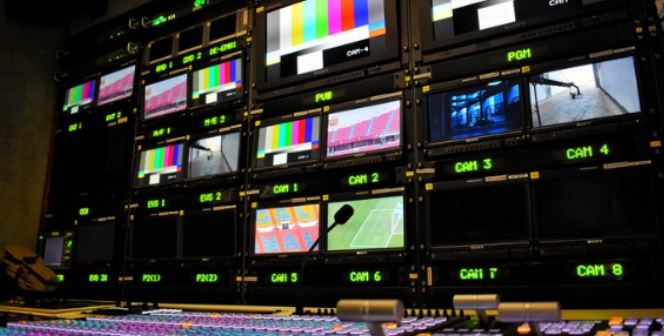
The broadcast engineer's workplace typically includes a combination of technical rooms, control rooms, and equipment racks. These spaces are filled with a multitude of audiovisual equipment, such as cameras, microphones, mixing consoles, video servers, signal processors, and transmission equipment. The engineer may be responsible for maintaining, troubleshooting, and repairing this equipment to ensure high-quality broadcasts.
Control rooms are a central hub where broadcast engineers monitor and control the various aspects of a live broadcast. They work closely with directors, producers, and other production staff to ensure that the technical aspects of the broadcast align with the creative vision. In control rooms, engineers utilize sophisticated software applications, monitors, and switchers to manage audio and video feeds, graphics, and other production elements in real-time.
Broadcast engineers often collaborate with other technical personnel, such as audio engineers, video operators, and IT specialists, to ensure seamless integration and operation of the entire broadcasting system. They may also interact with on-air talent, providing technical support and troubleshooting assistance when necessary.
Additionally, depending on the nature of their work, broadcast engineers may occasionally be required to work in the field. This could involve setting up temporary broadcasting facilities for remote events or troubleshooting technical issues on location.
The workplace of a broadcast engineer requires strong technical expertise, attention to detail, and the ability to work under pressure. It often involves working irregular hours, including evenings, weekends, and holidays, to support live broadcasts and handle any unexpected technical challenges that may arise.
How to become a Broadcast Engineer
Becoming a broadcast engineer involves a combination of education, hands-on experience, and technical skills. Here's a general guide to help you pursue a career in this field:
- Bachelor's Degree (Optional but Recommended): While not always mandatory, obtaining a Bachelor's Degree in Electrical Engineering, Broadcast Engineering, or a related field can enhance your knowledge and competitiveness in the job market.
- Gain Technical Skills: Develop proficiency in operating and troubleshooting broadcast equipment, including cameras, audio mixers, video routers, and signal processing devices.
- Hands-on Experience: Seek internships, co-op programs, or entry-level positions at radio or television stations, production companies, or broadcast equipment manufacturers. Practical experience is crucial in this field.
- Certifications (Optional but Beneficial): Consider obtaining relevant certifications, such as Certified Broadcast Television Engineer (CBTE) from the Society of Broadcast Engineers (SBE) or other certifications offered by industry organizations (see below).
- Build a Portfolio: Showcase your projects, technical skills, and any certifications in a portfolio. Highlight hands-on experiences and successful projects you've worked on.
- Specialize if Desired: Consider specializing in a specific area of broadcast engineering, such as audio engineering, video production, or RF transmission, based on your interests and career goals.
- Apply for Entry-Level Positions: Look for entry-level positions such as broadcast technician, assistant engineer, or junior engineer at radio or television stations, production houses, or broadcasting facilities.
- Excel in the Workplace: Demonstrate your technical skills, problem-solving abilities, and adaptability. Take initiative to learn new technologies and contribute to the efficient operation of broadcast systems.
Skills Needed for a Broadcast Engineer
A Broadcast Engineer is responsible for installing, operating, maintaining, and troubleshooting radio, television, and digital broadcasting equipment. Key skills include:
- Broadcast Systems Knowledge – Understanding of television, radio, satellite, and streaming broadcast systems.
- Audio and Video Technology – Expertise in audio consoles, microphones, cameras, video switchers, and encoding equipment.
- Networking Skills – Knowledge of IP networking, TCP/IP, routers, switches, and network security.
- RF (Radio Frequency) Engineering – Understanding of transmitters, antennas, signal propagation, and spectrum management.
- Digital Broadcasting Standards – Familiarity with standards such as ATSC, DVB, IPTV, and OTT streaming technologies.
- Equipment Maintenance and Troubleshooting – Ability to diagnose and repair broadcast hardware and software issues.
- Cloud and Streaming Technologies – Experience with live streaming platforms, cloud-based broadcasting, and content delivery networks (CDNs).
- Video Editing and Production Tools – Knowledge of tools such as Adobe Premiere Pro, Avid Media Composer, or similar software.
- Automation Systems – Experience with broadcast automation and playout systems.
- Signal Monitoring and Quality Control – Ability to ensure high-quality audio and video transmission.
- IT and Operating Systems – Proficiency with Windows, Linux, and server administration.
- Cybersecurity Awareness – Understanding of securing broadcast networks and digital assets.
- Problem-Solving Skills – Ability to respond quickly to technical issues during live broadcasts.
- Project Management – Planning and implementing upgrades, installations, and system integrations.
- Communication and Teamwork – Collaborating with producers, technicians, and media professionals to ensure smooth operations.
These skills help Broadcast Engineers manage modern broadcasting environments that increasingly combine traditional transmission systems with digital and internet-based technologies.
Broadcast Engineer Salary (2026)
The salary of a Broadcast Engineer varies based on experience, location, employer, and specialization.
India
- Entry-Level (0–2 years): ₹3 lakh – ₹6 lakh per year
- Mid-Level (3–7 years): ₹6 lakh – ₹12 lakh per year
- Senior-Level (8+ years): ₹12 lakh – ₹25 lakh+ per year
- Broadcast Engineering Manager/Lead: ₹20 lakh – ₹40 lakh+ per year
United States
- Entry-Level: $55,000 – $75,000 per year
- Mid-Level: $75,000 – $110,000 per year
- Senior-Level: $110,000 – $160,000+ per year
- Chief Broadcast Engineer: $140,000 – $220,000+ per year
Professionals with expertise in IP-based broadcasting, cloud media workflows, OTT streaming, cybersecurity, and AI-driven media operations typically command the highest salaries in the broadcasting industry.











User's Comments
No comments there.