


Stories you may like
Racehorse Trainer
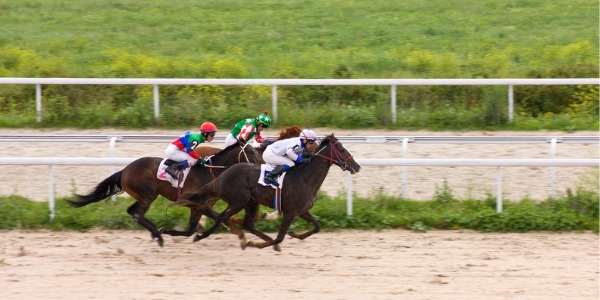
A racehorse trainer prepares horses for competitive racing. They are responsible for the horse’s fitness, training schedule, diet, and overall health. Trainers work closely with veterinarians, farriers (horse shoers), and stable staff to make sure each horse is in peak physical condition and ready to perform on race day. They also help choose the right races for each horse based on its abilities and temperament.
In addition to physical training, racehorse trainers focus on building a horse’s stamina, speed, and responsiveness to jockey commands. They may oversee exercise riders during daily workouts, monitor the horse’s progress, and adjust the training plan as needed. A good trainer not only understands horse behavior and care but also has strong communication skills to work with owners, jockeys, and racing officials. Their ultimate goal is to prepare horses to race safely, competitively, and successfully.
Duties and Responsibilities
The duties and responsibilities of a racehorse trainer can vary depending on the specific circumstances and the size of their operation. Here are detailed duties and responsibilities commonly associated with the role:
- Horse Training: Racehorse trainers are responsible for developing and implementing training programs for the horses under their care. This includes designing exercise routines, monitoring their progress, and adjusting training methods as needed. They focus on improving the horses' physical fitness, speed, stamina, and racing techniques.
- Health and Wellness Management: Trainers oversee the overall health and well-being of the racehorses. They work closely with veterinarians to ensure regular health check-ups, vaccinations, dental care, and any necessary medical treatments. They also manage the horses' nutrition, providing balanced diets and appropriate supplements to meet their dietary requirements.
- Stable Management: Racehorse trainers supervise the daily operations of the stable. This involves managing stable staff, assigning tasks, and overseeing the cleanliness and maintenance of the facilities. They ensure the horses have comfortable living conditions, proper bedding, and access to clean water.
- Communication with Owners: Trainers maintain regular communication with horse owners, providing updates on the horses' progress, performance, and any concerns. They collaborate with owners to set racing goals, discuss race entries, and develop race strategies. Trainers often provide recommendations on horse purchases and sales based on their expertise.
- Race Planning and Strategy: Racehorse trainers analyze race conditions, track surfaces, and competition to devise effective race strategies. They collaborate with jockeys, discussing race tactics, horse behavior, and specific instructions to maximize the horse's chances of success. Trainers monitor race performances, evaluate outcomes, and make adjustments for future races.
- Record Keeping: Trainers maintain detailed records of each horse's training routines, health records, racing history, and any significant observations. This information helps in assessing progress, identifying patterns, and making informed decisions regarding training and race planning.
- Industry Knowledge and Compliance: Trainers stay updated on industry rules, regulations, and best practices. They ensure compliance with racing regulations, drug testing protocols, and licensing requirements. Trainers may also participate in industry events, conferences, and workshops to expand their knowledge and network with other professionals.
- Team Management: Trainers work closely with a team of stable staff, exercise riders, grooms, and other professionals. They provide guidance, training, and supervision to ensure smooth operations and the well-being of the team members.
Types of Racehorse Trainers
Racehorse trainers can specialize in different areas of the sport, focusing on specific breeds, racing styles, or stages of a horse’s career. Here are some common types:
- Flat Racing Trainers: Work with horses that race on level tracks, focusing on speed and stamina over short to middle distances.
- Steeplechase Trainers: Prepare horses for races involving jumps, such as fences and hurdles, requiring agility and endurance.
- Harness Racing Trainers: Specialize in training Standardbred horses to pull a sulky (a lightweight two-wheeled cart) at a trot or pace.
- Young Horse or Break-In Trainers: Focus on starting and training young horses, teaching them basic handling and riding skills before they enter competitive racing.
- Rehabilitation Trainers: Work with injured or rested racehorses to bring them back to full fitness for competition.
What is the workplace of a Racehorse Trainer like?
The workplace of a racehorse trainer is usually a busy and lively stable or training facility where horses live, train, and are cared for every day. Trainers spend a lot of time outdoors, overseeing exercise routines, feeding, grooming, and checking on the horses’ health. The environment is often filled with the sounds of horses moving, trainers giving instructions, and stable staff working together to keep everything running smoothly.
Racehorse trainers also spend time in offices or meeting areas where they plan training schedules, review each horse’s progress, and communicate with horse owners, veterinarians, and jockeys. They use technology like fitness trackers and video analysis to monitor the horses’ performance and adjust training programs as needed. The work can be physically demanding and requires attention to detail and strong organization skills.
The pace of work changes with the seasons and race schedules. During race season, trainers may work long hours to prepare horses for upcoming competitions and travel to race tracks. In quieter times, they focus on rest, recovery, and training younger or less experienced horses.
How to become a Racehorse Trainer
Becoming a racehorse trainer requires a combination of experience, knowledge, and dedication to the sport of horse racing. Here is a detailed overview of the steps involved in pursuing a career as a racehorse trainer:
- Gain Experience in the Equine Industry: Start by immersing yourself in the equine industry. Gain experience working with horses in various roles, such as working at a racing stable, assisting trainers, or volunteering at equestrian events. This hands-on experience will help you develop a solid foundation of horse care, handling, and management.
- Education and Learning: While formal education is not always required, pursuing relevant courses or certifications can enhance your knowledge and skills. Consider enrolling in equine science programs, where you can learn about horse anatomy, nutrition, exercise physiology, and training techniques. Attend workshops, seminars, and clinics to expand your knowledge and learn from industry professionals.
- Work with Established Trainers: Seek opportunities to work with experienced racehorse trainers. This can be through apprenticeships or working as a stable assistant. Working under seasoned trainers allows you to gain valuable insights, learn training methods, and understand the intricacies of racehorse management. Build relationships within the industry and seek mentorship from professionals.
- Obtain a Racing License: To become a licensed racehorse trainer, you must meet the licensing requirements set by the racing authority or governing body in your region. These typically include age restrictions, completion of specific training programs or courses, and passing written and practical exams. Contact your local racing authority for details on the licensing process and requirements.
- Build Your Own Network: As you gain experience and move toward becoming a racehorse trainer, focus on building a strong network within the racing industry. Attend industry events, join racing associations, and connect with owners, breeders, jockeys, and other professionals. Networking can help you secure clients, access better horses, and gain valuable support and advice.
- Establish Your Training Facility: Once licensed and ready to start your career, set up your training facility or lease space at an existing stable. Make sure your facility meets necessary requirements for equipment, safety, and care standards. Create a business plan, outline your training services, and develop a marketing strategy to attract clients.
- Continue Learning and Adapting: The horse racing industry is always evolving. Stay updated with the latest training techniques, industry trends, and regulations. Attend continuing education programs, seminars, and professional development opportunities to refine your skills and expand your knowledge.
Associations
There are several associations and organizations that cater to racehorse trainers. Here are some prominent ones:
- National Thoroughbred Racing Association (NTRA): The NTRA is a membership organization representing the thoroughbred racing industry. They provide resources, programs, and initiatives for trainers, including educational opportunities, networking events, and industry news.
- Thoroughbred Horsemen's Associations (THA): The THA is a group representing trainers and owners at racetracks across the country. They protect the interests of trainers and owners, negotiate purse agreements, and provide member support and services.
- United States Trotting Association (USTA): The USTA governs harness racing and offers membership and resources for trainers in that sport. They organize racing events and maintain a database of racing records and pedigrees.
- Racehorse Trainers' Accreditation Program (RTAP): The RTAP is an accreditation program designed to promote professionalism and high standards in racehorse training. Trainers can apply for accreditation by meeting criteria related to facilities, horse care, business practices, and regulations.
- State Horsemen's Benevolent and Protective Associations (HBPA): Most states have their own HBPA, representing trainers, owners, and other horsemen. These associations work to advance member welfare, negotiate contracts, and provide various benefits and support services.
Online Resources
There are various online resources that offer valuable information, education, and support for racehorse trainers. Here are some examples:
- Equibase: Equibase is a comprehensive online database with race results, entries, pedigrees, and past performances for thoroughbred, quarter horse, and harness racing. Trainers can use it to gather data on races, horses, and track conditions.
- Daily Racing Form: Daily Racing Form provides horse racing news, analysis, handicapping information, race previews, expert picks, and access to past performances. It’s a helpful resource for trainers to stay updated and plan race strategies.
- BloodHorse: BloodHorse is a prominent publication covering thoroughbred racing and breeding. It offers articles, race coverage, industry news, and training insights.
- Thoroughbred Owners and Breeders Association (TOBA): TOBA provides educational resources, webinars, and seminars for owners and breeders, which trainers can also benefit from. Topics include horsemanship, ownership, breeding, and industry best practices.
- Racing Officials Accreditation Program: This program offers online courses and resources about racing rules, medication regulations, integrity, and stewarding, helping trainers understand industry protocols better.
- Online Racing Forums and Communities: Forums like Horse Racing Nation and Horse Racing Talk provide platforms for trainers to connect, share insights, and discuss industry topics. These communities offer networking and valuable discussions.










User's Comments
No comments there.