

Stories you may like
Strength and Conditioning Trainer
Strength and conditioning (S&C) trainers are fitness professionals who specialize in designing and implementing personalized programs aimed at optimizing physical fitness, improving athletic performance, and minimizing injury risks. After assessing their clients’ strengths, weaknesses, and goals, these trainers develop effective workout routines, teach proper exercise techniques, monitor progress, and provide motivational support throughout the fitness journey.
Duties and Responsibilities
Strength and conditioning trainers work with athletes from various sports and members of the public to improve their overall fitness levels. Their primary responsibilities include:
- Assessment – Strength and conditioning trainers assess the athlete's or individual's current physical condition, strengths, weaknesses, and goals. This assessment helps them create a personalized training plan.
- Program Design – Based on the assessment, the trainer designs a comprehensive training program that includes exercises to develop strength, power, speed, endurance, agility, and flexibility. The program is tailored to the specific needs and goals of the individual or athlete.
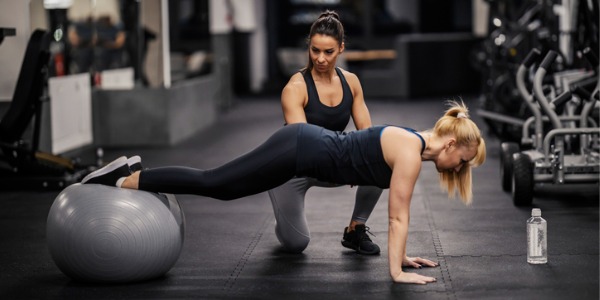
- Exercise Instruction – S&C Trainers teach proper exercise techniques, ensuring that athletes and clients perform exercises safely and effectively to achieve maximum benefits.
- Progress Monitoring – Strength and conditioning trainers track progress by measuring performance improvements, strength gains, and other relevant metrics. This allows them to make necessary adjustments to the training program as the individual's capabilities evolve.
- Injury Prevention – S&C trainers incorporate exercises that help strengthen muscles and improve joint stability, which can reduce the risk of injuries. They also educate athletes and clients about injury prevention strategies.
- Nutrition Guidance – While not always within their scope of practice, some S&C trainers offer general nutrition advice to support their clients' training goals and overall health.
- Motivation and Support – Strength and conditioning trainers provide motivation and support to help individuals stay committed to their training program, especially during challenging times.
- Collaboration – S&C trainers often work closely with sports coaches, physical therapists, and medical professionals to ensure a holistic approach to training and recovery.
- Administrative Tasks – Managing schedules, client records, billing, and other administrative duties are also part of the S&C trainer’s job.
- Professional Development – Staying updated on the latest fitness research, trends, and techniques is essential. Trainers might spend time reading, attending workshops, or networking with colleagues to enhance their knowledge and skills.
- Personal Workout – Professional trainers must also find time for their own workout to maintain their fitness level and serve as a role model for their clients.
Types of Strength and Conditioning Trainers
Now that we have a sense of the responsibilities of a general strength and conditioning trainer, let’s look at some different types of S&C trainers, each specializing in various aspects of athletic performance, fitness goals, and client populations:
- Sports-Specific Trainers – These trainers focus on the physical demands of a particular sport. They design training programs that enhance athletes' performance by addressing sport-specific skills, movements, and energy systems.
- Rehabilitation Trainers – Also known as corrective exercise specialists, these trainers work with individuals recovering from injuries or dealing with movement limitations. They design programs that aid in rehabilitation and improve functional movement patterns.
- Youth and Adolescent Trainers – These S&C trainers focus on the development of young athletes, emphasizing proper technique, injury prevention, and age-appropriate training methods.
- High-Performance Trainers – Often working with elite athletes, these trainers fine-tune training programs to maximize performance at a professional or competitive level. They might collaborate closely with sports coaches and other specialists.
- Group Fitness Instructors – These trainers lead group exercise classes that focus on strength and conditioning. They often work in fitness centers and guide participants through workouts tailored to a group setting.
- Special Population Trainers – These strength and conditioning trainers work with individuals who have specific health considerations, such as seniors, pregnant women, or individuals with medical conditions. They adapt training programs to cater to these unique needs.
- Functional Movement Specialists – These trainers emphasize movement quality and functional fitness, aiming to improve how individuals move in their daily lives to reduce the risk of injuries.
- Bodybuilding and Muscle Building Trainers – These S&C trainers focus on developing muscle mass and aesthetics. They design programs that emphasize strength training and hypertrophy.
- Online or Virtual Trainers – With the rise of online fitness platforms, some trainers provide virtual coaching and programming to clients around the world through video calls and online resources.
What is the workplace of a Strength and Conditioning Trainer like?
Strength and conditioning trainers can work with a diverse range of individuals, from professional athletes to recreational fitness enthusiasts. Here’s a snapshot of their most common employers:
- Professional Sports Teams – Many major sports teams, including those in the NFL, NBA, MLB, NHL, and other leagues, employ full-time strength and conditioning trainers to work with their athletes.
- Colleges and Universities – College and university athletic departments hire S&C trainers to work with student-athletes across various sports.
- High Schools – Some high schools have dedicated strength and conditioning trainers to work with student-athletes.
- Private Sports Facilities – Fitness centers, gyms, and sports training facilities often employ S&C trainers to offer specialized training programs to their clients.
- Rehabilitation Centers – Rehabilitation and physical therapy clinics might employ strength and conditioning trainers to work with patients recovering from injuries or surgeries, integrating exercise into their rehabilitation process.
- Military and Law Enforcement Agencies – Tactical units and law enforcement agencies employ strength and conditioning trainers to help improve the fitness and performance of their personnel.
- Corporate Wellness Programs – Some companies offer wellness programs that include fitness components. Strength and conditioning trainers might be employed to lead group exercise classes and provide wellness workshops.
- Health and Wellness Centers – Wellness centers, spas, and health retreats might hire S&C trainers to provide fitness services to their clients.
- Private Practice – Some strength and conditioning trainers work independently, offering one-on-one or group training sessions to clients on a freelance basis.
- Youth Sports Organizations – Organizations dedicated to youth sports often employ S&C trainers to work with young athletes.
- Senior Living Facilities – Some senior living communities offer fitness programs for their residents and might employ trainers to lead these programs.
How to become a Strength and Conditioning Trainer
To become a qualified strength and conditioning trainer, individuals usually need a relevant degree and certification from reputable organizations. This is the typical pathway to the career:
High School Diploma or Equivalent
Earn a high school diploma or equivalent. High school education provides a foundation in basic communication and math and organizational skills, and it lays the groundwork for further learning. Pay particular attention to courses in biology, health, and physical education.
Post-Secondary Education
Obtain a bachelor's degree in a relevant field such as personal training, kinesiology, or physiology. A degree in physical therapy is another potential route to a career in strength and conditioning training.
While a bachelor’s degree is often sufficient, some trainers, especially those interested in working with elite athletes or teaching at the college level, choose to pursue a master’s degree in a related field. Doctoral degrees are rare among strength and conditioning trainers, typically pursued only by those who wish to focus on a career in academia and research.
Practical Experience / Job Search
Seek internships or volunteer opportunities with sports teams, fitness centers, athletic organizations, or schools to gain hands-on experience in coaching and training. These experiences can often lead to fulltime entry-level jobs.
Certifications from Professional Organizations
These are some well known and respected certifications available to strength and conditioning trainers:
- Certified Strength and Conditioning Specialist (CSCS) – Offered by the National Strength and Conditioning Association (NSCA), the CSCS certification is one of the most recognized in the field. It is designed for professionals working with athletes and focuses on performance enhancement, injury prevention, and sports-specific training.
- Certified Personal Trainer (CPT) Specializing in Strength and Conditioning – Various organizations, such as the National Academy of Sports Medicine (NASM) and the American Council on Exercise (ACE), offer personal trainer certifications that allow specialization in strength and conditioning. These certifications cover general fitness and can be a good starting point.
- Certified Collegiate Strength and Conditioning Coach (SCCC) – Offered by the Collegiate Strength and Conditioning Coaches Association (CSCCa), this certification is aimed at those working in college and university settings. It emphasizes program design, coaching techniques, and athlete development.
- Certified Sports Performance Coach (SPC) – Offered by USA Weightlifting (USAW), this certification focuses on Olympic weightlifting techniques and training. It is particularly valuable for trainers working with athletes seeking to improve explosive strength and power.
- Performance Enhancement Specialist (PES) – Offered by the National Academy of Sports Medicine (NASM), the PES certification focuses on improving athletic performance through training, injury prevention, and biomechanics.
- Functional Movement Screen (FMS) Certification – The FMS certification, offered by Functional Movement Systems, focuses on assessing and improving movement patterns to prevent injuries and optimize performance.
- Precision Nutrition Level 1 Certification (PN1) – While not specific to strength and conditioning, nutrition is a key component of fitness. This certification, offered by Precision Nutrition, provides knowledge about nutrition coaching and dietary strategies to support training programs.
It is important to note that each certification provider has its own prerequisites, study materials, and examination processes. The typical certification process involves passing a written exam that covers topics such as exercise physiology, biomechanics, program design, and nutrition.
Also providing career support to strength and conditioning trainers are the American College of Sports Medicine (ACSM) and the International Sports Sciences Association (ISSA).
Portfolio
Create a portfolio showcasing your training programs, client successes, and any workshops or certifications you've completed. This will be helpful when applying for jobs or building your own training business.
Continuing Education
The field of strength and conditioning is always evolving. Continuing education through workshops, seminars, and online courses helps you stay current with the latest research and trends.
Networking
Build connections. Network with professionals in the field, attend industry events, and connect with trainers, coaches, and organizations to learn from others and discover potential job opportunities.
Specialization
As you gain experience, you might choose to specialize in an area such as sports-specific training, rehabilitation, or youth athletics.











User's Comments
No comments there.