


Stories you may like
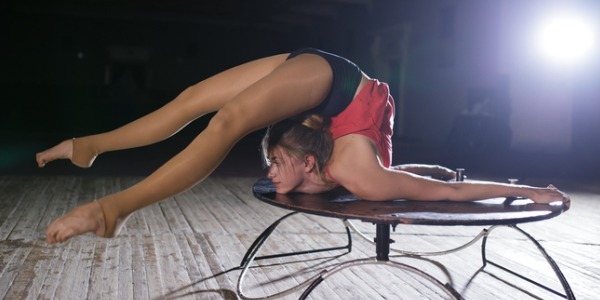
Contortionist
A contortionist is a highly skilled performer who possesses exceptional flexibility and body control. Contortionists are known for their ability to twist, bend, and contort their bodies into unusual and often extreme positions. They can perform feats such as bending their spine backward, placing their legs behind their head, or fitting their body into a small box.
Contortionists typically undergo rigorous training from a young age to develop their flexibility, agility, strength, and control. This training involves various stretching exercises, conditioning techniques, and specialized contortion moves.
The mesmerizing and often jaw-dropping talents of contortionists captivate audiences and showcase the extraordinary and astonishing potential of the human body.
What does a Contortionist do?
A day in the Life
A day in the life of a contortionist can vary depending on their specific circumstances, but here is a general outline of what their daily routine might involve:
- Warm-up and Stretching – Contortionists typically begin their day with warm-up exercises to prepare their muscles and joints for training or performance. This may involve dynamic stretching, gentle cardio exercises, and specific warm-up movements for the areas they focus on.
- Training and Practice – Contortionists spend a significant amount of time honing their skills and improving their flexibility. They engage in dedicated training sessions that involve various stretching exercises, working on specific poses and transitions, and developing new routines.
- Conditioning and Strength Training – Contortion requires not only flexibility but also strength and control. Contortionists incorporate strength training exercises into their routine to build the necessary muscle strength to support their extreme positions. This may involve exercises such as core workouts, resistance training, and specific exercises targeting the muscles used in contortion movements.
- Choreography and Routine Development – Contortionists often spend time developing and refining their choreography and routines. They work on creating visually appealing sequences that showcase their flexibility and artistry. This can involve experimenting with different poses, transitions, and incorporating dance or acrobatic elements into their performances.
- Performance Rehearsals – If preparing for a specific performance or show, contortionists dedicate time to rehearsing their routines. They practise their choreography, timing, and interaction with other performers if applicable. Rehearsals typically involve working with directors, choreographers, or other team members to ensure a polished and cohesive performance.
- Performances – Contortionists may perform solo acts or collaborate with other performers such as dancers, acrobats, aerialists, or jugglers.
- Rest and Recovery – Contortion places significant demands on the body, so adequate rest and recovery is crucial. Contortionists incorporate rest days into their schedule to allow their muscles to recover and prevent injuries caused by overuse. They may engage in activities such as gentle stretching, yoga, or relaxation techniques to promote recovery and maintain overall well-being.
- Continuing Education and Self-Care – Prioritizing ongoing education and self-care is key for contortionists. They may take classes or workshops to learn new techniques, expand their repertoire, or refine their skills. Additionally, they may incorporate practices like massage, physical therapy, or other forms of self-care to maintain their physical health and prevent injuries.
Types of Contortionists
Now that we have a sense of what the contortionist does on a typical day, let’s take a look at some different types of contortionists, based on their style, training background, and performance specialization:
- Traditional Contortionists – These contortionists often follow the techniques and styles rooted in traditional contortion practices from cultures such as Mongolian, Chinese, or Russian contortion. They typically emphasize extreme flexibility, fluid movements, and intricate poses.
- Aerial Contortionists – These contortionists combine their flexibility with aerial apparatus like aerial silks, hoop, or straps. They perform contortion moves and poses while suspended in the air, adding an extra dimension to their performances.
- Hand Balancing Contortionists – Hand balancing contortionists focus on combining their contortion skills with hand balancing techniques. They perform intricate contortion poses while balancing on their hands, showcasing a unique blend of strength, flexibility, and balance.
- Contortionist-Dancers – Some contortionists incorporate dance elements into their routines, combining the fluidity and grace of dance with contortion movements. They often create choreographed performances that integrate contortion poses with expressive dance sequences.
- Duo or Group Contortionists – These contortionists work together to create synchronized and interconnected routines. They perform complex acrobatic lifts, balances, and contortion moves in tandem, showcasing the versatility and collaborative nature of contortion.
- Contemporary or Fusion Contortionists – These contortionists explore creative and innovative approaches by combining contortion with other disciplines such as acrobatics, modern dance, or theatrical storytelling, aiming to push the boundaries of traditional contortion.
- Cirque-Style Contortionists – Contortionists who perform in circus environments often adapt their skills to fit within the broader context of a circus show. They may work alongside other circus performers, incorporating their contortion acts into larger circus productions that include aerial acts, acrobatics, or clowning.
What is the workplace of a Contortionist like?
Contortionists can be work for various kinds of organizations and entertainment venues that value their unique skills and performances. These are some of their most common employers:
- Circuses – Contortionists have a long-standing presence in traditional and contemporary circus companies. They are often featured as part of circus performances alongside other acts such as acrobats, aerialists, and clowns.
- Variety Shows – Contortionists are frequently hired to perform in variety shows that showcase a diverse range of acts, including magic, comedy, music, and other forms of entertainment.
- Theatre Productions – Contortionists may be employed by theatre companies for specific productions that require their unique skills. They can be featured in plays, musicals, or even in immersive theatre experiences.
- Corporate Events and Galas – Contortionists are frequently hired to perform at corporate events, galas, or private parties.
- Theme Parks and Resorts – Some theme parks and resorts feature contortionists as part of their entertainment offerings. In these settings, contortionists may perform in dedicated shows or as roaming performers.
- Television and Film Productions – Contortionists are occasionally hired to appear in television shows, movies, or commercials to bring a unique and visually impressive element to the screen. They may be cast as characters or perform as specialty acts within the production.
It's worth noting that contortionists may also work as independent artists, performing in a variety of venues on their own or as part of a troupe. They may collaborate with event planners, talent agencies, or production companies to secure performance opportunities.
The workplaces of contortionists can vary depending on the specific context in which they perform:
- Circus Tents or Big Tops – Traditional circuses often have large tents or big tops equipped with appropriate lighting and sound systems.
- Theatres and Performing Arts Centers – Contortionists may perform in theatres or dedicated performing arts centers. These venues often host various types of performances, including theatre productions, variety shows, or touring circus acts.
- Theme Parks and Resorts – Some theme parks and resorts have designated performance areas or stages where contortionists entertain visitors. These settings can include outdoor stages, amphitheaters, or specially designed venues within the park or resort.
- Corporate Event Spaces – These are often upscale venues, conference centers, banquet halls, or other event spaces that have been transformed for the occasion.
- Television and Film Sets – Contortionists who work in the television and film industry may find themselves on various sets, including elaborate soundstages in studios, or location shoots.
- Street Performances and Festivals – Some contortionists showcase their skills in outdoor street or festival settings. They may perform on designated stages, in public squares, or in areas where crowds gather to watch their acts.
How to become a Contortionist
While formal education can offer structured training and help you develop a well-rounded skill set, it is not the sole pathway to becoming a contortionist. Many successful contortionists have acquired their skills through practical training, workshops, self-study, and real-world performance experiences. What matters most is a strong dedication to training, a passion for the art, and a commitment to continuous learning and improvement.
Start with Basic Fitness
Develop a foundation of strength, flexibility, overall fitness, and body awareness. Engage in regular physical activity, such as strength training, cardio exercises, and flexibility exercises focusing on key areas like the shoulders, back, hips, and legs. Consider taking anatomy and physiology courses to better understand the mechanics of the human body, and yoga and Pilates classes to further build the physical attributes that a professional contortionist must possess.
Find a Contortion Training Facility
Seek out reputable contortion coaches or attend contortion classes offered by circus schools, gymnastics facilities, or dance studios. These programs provide structured training and guidance to help you develop the necessary skills and techniques.
Learn the Basics
Enroll in beginner-level contortion classes to learn the fundamental techniques of the performance art. Focus on building body awareness, coordination, and core strength.
Gradually Increase Flexibility
Consistency is key when it comes to increasing flexibility. Work on stretching regularly, on different transitions and poses, incorporating both static and dynamic stretches. Over time, your body will adapt and become more flexible. Remember to listen to your body and never force a stretch beyond your limits to avoid injury.
Expand Your Skill Set
Consider exploring other related disciplines, such as aerial acrobatics, to broaden your skill set and enhance your versatility as a performer.
Seek Mentorships and Performance Opportunities
Look for opportunities to apprentice or work closely with experienced contortionists. Participate in student showcases, local events, talent competitions, or join community performance groups. Performing in front of an audience will allow you to demonstrate and hone your skills and help you develop stage presence, confidence, and adaptability as a contortionist.
Build Your Physical and Mental Resilience
Contortion can be physically and mentally demanding. Practise self-care, rest, and recovery to prevent injuries and maintain your overall well-being. Increase your mental resilience to handle the challenges and risks associated with contortion performances.
Create a Professional Network
Connect with fellow contortionists, instructors, and professionals in the field. Attend workshops, festivals, or industry events to expand your network, learn from experienced performers, and explore collaboration opportunities.
Consider Formal Education
While not mandatory, pursuing formal education in theatre arts, fine arts, dance, yoga instructor certification, personal training, or circus arts can provide a more comprehensive training experience and help you refine your skills and artistic expression.
Comprehensive circus arts programs are often more likely to be offered by standalone schools versus performing arts institutions. Here are some sample classes from a two-year circus arts curriculum:
- Circus Discipline
- The Ensemble
- Movement
- Theatre
- Circus through the Performative Lens
- Circus from the Technical Perspective
- Circus Producing and Production Management
- Theory, Practice, and Analysis of Performance
- The Student Devised Piece
- Action, Reaction, and Creation
- Movement and Composition
The typical circus arts program involves a collaborative process between the student and staff, leading to a decision about which circus discipline is suited both physically and creatively to that person. The following are the most commonly taught contortion skills:
- Frontbending skills involve folding forward at the waist with the legs straight, or placing one or both legs behind the neck or shoulders with the knees bent (called a human knot).
- Backbending skills include touching one's head to one's feet, or all the way to the buttocks (called a head-seat), while standing, lying on the floor, or in a handstand. A Marinelli bend is a backbend while supported only by a grip at the top of a short post that is held in the mouth.
- Splits and oversplits (an oversplit is a split of more than 180 degrees) may be included in frontbending or backbending acts. An oversplit may be performed while the feet are supported by two chairs or by two assistants.
- Enterology, also known as ‘body packing,’ is the practice of squeezing one's body into a small, knee-high box or other contained space which initially appears to audiences as being too small to contain the performer.
- Dislocations of the shoulders or hip joints are sometimes performed as a short novelty act by itself. One example, referred to as ‘bone breaking,’ is lifting the arm to the side until it passes behind the head and lies across the top of the shoulders.
Professional Organizations
There may not be professional organizations dedicated exclusively to contortionists, but several broader entities encompassing circus arts or contortion provide support, resources, and community for those in the field. These associations can be valuable for networking, professional development, and staying connected with the wider circus arts community. Here are a few notable examples:
- International Contortion Convention (ICC) is an annual event that brings together contortionists, coaches, and enthusiasts from around the world.
- International Association for Dance Medicine and Science (IADMS) is an organization dedicated to promoting the health, well-being, and performance of dancers.
- American Circus Educators (ACE) is an organization focused on circus arts education, encompassing performers, educators, and enthusiasts.
- American Youth Circus Organization (AYCO) promotes the participation of youth in the circus arts.
- Circus Now is a global organization that advocates for contemporary circus arts and supports artists in the field. It promotes circus as a vibrant and evolving art form.
- Circus Talk is an independent circus resource center to unite the worldwide circus under one virtual tent.
- World Circus Federation (WCF) exists for the sole purpose of preserving circus traditions for future generations.
- European Federation of Professional Circus Schools (Fédération Européenne des Écoles de Cirque Professionnelles – FEDEC) is a European and international network of about 70 member schools supporting the development and evolution of training, teaching, and creation in circus arts education.
- The UK Circus Network was created to support the circus community throughout the United Kingdom and in particular ‘to be the UK’s Youth Circus Umbrella.’









User's Comments
No comments there.