


Stories you may like
Ethologist
Ethologists are scientists who specialize in the study of animal behavior within their natural habitats, seeking to understand the evolutionary, ecological, adaptive, and physiological factors that shape these behaviors. This knowledge is vital for biodiversity conservation and the preservation of ecosystems. It provides insights into the welfare of animals in captivity or managed environments, informing practices in zoos, farms, and laboratories to ensure ethical and humane treatment. And it often has broader implications, helping us comprehend fundamental principles of behavior that can be applied to fields such as psychology, neuroscience, and even aspects of human social behavior.
Duties and Responsibilities
Ethologists conduct the following activities to gain insights into the patterns, functions, and underlying mechanisms of animal behavior:
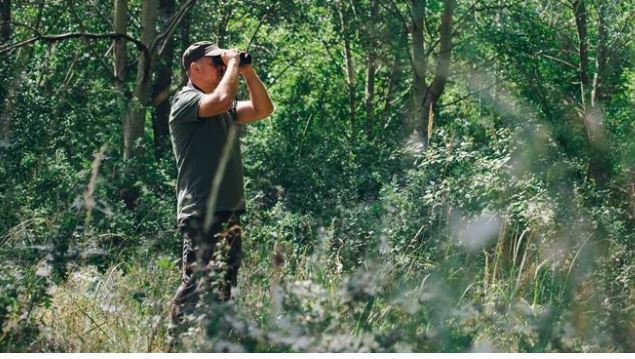
- Observation – Ethologists spend a great deal of time in the field observing animals in their natural habitats. This may involve tracking movements and recording behaviors such as mating rituals, feeding patterns, and social interactions. Detailed and systematic observations help ethologists understand the natural behavior of the species under study.
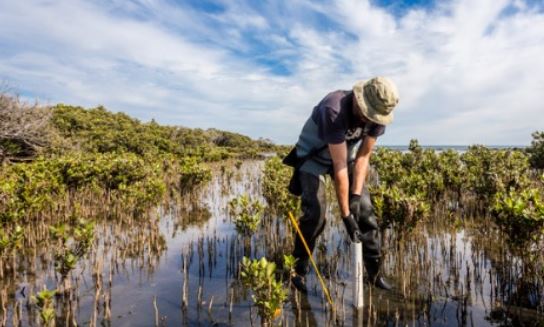
- Field Studies – Conducting field studies allows ethologists to observe animals in their natural environments and in some cases to take samples. This provides a more accurate representation of their behavior compared to studies conducted in artificial laboratory settings. Field studies also contribute valuable information to conservation efforts and our understanding of ecosystems.
- Experimental Design – Ethologists may design and conduct controlled experiments to investigate specific aspects of animal behavior. These experiments allow them to manipulate variables and test hypotheses, providing insights into the causal relationships between environmental factors and behavior.
- Analysis of Social Structures – Ethologists often focus on the social structures within animal groups. They study hierarchies, communication systems, and cooperative behaviors to understand how social organization contributes to the survival and reproduction of individuals within a population.
- Comparative Studies – Ethologists compare behavior across different species to identify common patterns or unique adaptations. This comparative approach helps in understanding the diversity of behavioral strategies in the animal kingdom and provides clues about the evolutionary processes that have shaped behavior.
- Communication Studies – Ethologists investigate how animals communicate, including vocalizations, body language, and chemical signaling. Understanding communication is essential for deciphering social structures, mating rituals, and responses to threats.
- Applications to Human Behavior – Some ethologists extend their findings to draw parallels with human behavior. This comparative approach can offer insights into evolutionary aspects of human behavior, cognitive processes, and social dynamics.
- Data Analysis – Ethologists often spend considerable time analyzing data. This might include organizing observations, entering data into databases, and running statistical analyses to identify patterns or correlations.
- Literature Review – Ethologists stay updated with relevant research, reading scientific literature to contextualize their findings and inform future research directions.
- Report and Paper Writing – Ethologists often document their findings in reports or scientific papers, writing and editing manuscripts, preparing presentations, or submitting research for publication.
- Networking and Collaboration – Meeting with colleagues, collaborators, or attending conferences to discuss research progress and exchange ideas is also an important aspect of the ethologist’s work.
Workplace of an Ethologist
Ethologists can work for various organizations and institutions, depending on their specific focus and expertise. These are among their most common employers:
- Academic Institutions – Many ethologists work in universities and research institutions where they engage in both teaching and research. They may conduct experiments, lead field studies, and publish their findings in academic journals.
- Research Organizations – Ethologists are employed by research organizations, both public and private, that focus on the study of animal behavior. These organizations may conduct research on a wide range of species and behaviors, contributing to scientific knowledge and often addressing conservation or environmental concerns.
- Zoos and Aquariums – Ethologists play a crucial role in understanding and improving the wellbeing of animals in captivity. Zoos and aquariums hire ethologists to study the behavior of the animals in their care, enhance their welfare, and optimize breeding success.
- Conservation Organizations – Ethologists contribute to conservation efforts by working with organizations dedicated to preserving biodiversity. Their work environments may include natural reserves, national parks, or protected areas.
- Government Agencies – Some ethologists work for government agencies responsible for wildlife management, environmental protection, or agriculture. They may be involved in research to inform policies related to biodiversity, habitat preservation, pest management, or the impact of human activities on natural ecosystems.
- Private Companies – Ethologists can be employed by private companies involved in areas such as animal nutrition, pet care, or pharmaceuticals. In these settings, ethologists may be involved in product development, ensuring the wellbeing of animals, or studying the behavior of domesticated species.
- Non-profit Organizations – Ethologists may work for non-profit organizations dedicated to animal welfare, research, or environmental conservation. These organizations often collaborate with other stakeholders to address pressing issues related to animal behavior and conservation.
- Museums and Science Centers – Ethologists may be employed by museums or science centers, where they contribute to exhibits, educational programs, and public outreach. They play a role in translating scientific knowledge about animal behavior for public understanding.
- Consulting Firms – Ethologists may work for consulting firms that provide expertise in environmental impact assessments, ecological surveys, or wildlife management. They contribute to projects that require an understanding of animal behavior and its implications for human activities.
- Media and Communication – Some ethologists work in the media, contributing to documentaries, educational programs, or science communication. They help translate scientific findings for broader audiences and raise awareness about the importance of understanding and preserving natural animal behavior. They may work in studios and/or participate in field shoots.
The professional life of ethologists can be dynamic and may involve travel to various locations and diverse environments, including forests, grasslands, oceans, or urban areas, for field studies. Unexpected events, like changes in weather conditions or the unpredictability of animal behavior, can influence their day-to-day activities. Those studying nocturnal animals will, of course, find themselves conducting fieldwork and data collection at night. These ethologists often use specialized equipment for low-light conditions. In laboratory settings, ethologists may use specialized equipment to observe and analyze animal behavior.
How to become an Ethologist
Becoming an ethologist requires dedication and curiosity and typically involves a combination of education, research experience, and specialization in the field of animal behavior. Here is an overview of the pathway to the career:
High School Diploma or Equivalent
Earn a high school diploma or equivalent. High school education provides a foundation in basic communication and math and organizational skills, and it lays the groundwork for further learning.
Bachelor's Degree
Pursue a bachelor's degree in a relevant field such as biology, zoology, ecology, animal sciences, wildlife science and management, or another related discipline. Ensure that your coursework includes subjects like animal behavior, ecology, evolutionary biology, and statistics.
Master’s Degree (Optional)
While some entry-level positions in ethology may be available with a bachelor's degree, many ethologists choose to pursue a master's degree for deeper specialization and research experience. A master's program typically involves coursework, independent research, and a thesis.
Doctoral Degree (Optional)
For those aiming for advanced research positions, university faculty roles, or leadership positions in the field, a Ph.D. is often necessary. A Ph.D. program involves more extensive independent research, often leading to a dissertation that contributes to the body of knowledge in ethology.
Research Experience
Seek opportunities for undergraduate and graduate research projects or internships, or field studies related to animal behavior. This hands-on experience is crucial for developing observational skills, field methodologies, experimental design, statistical techniques, and data analysis capabilities.
Specialization
Choose a specialization within ethology based on your interests and career goals. Options include marine ethology, avian ethology, and cognitive ethology. For a complete list of specializations in the field, please refer to the What does an Ethologist do? section in the career overview.
Continuing Education and Research Publication
Stay informed about the latest research and advancements in ethology. Attend workshops, conferences, and seminars to present your work, and participate in professional development and networking activities to keep your knowledge current.
As you progress in your academic journey, aim to publish your research findings in peer-reviewed journals.
Certification and Professional Organizations
There isn't a specific certification widely recognized as a standard credential for ethologists comparable to certifications in some other fields. Instead, the qualifications and credentials of ethologists are primarily based on their educational background, research experience, and expertise in specific areas of animal behavior. There are, however, professional certifications and training programs related to specific skills or methodologies that ethologists might find useful, depending on their focus or specialization. Here’s a sampling:
- International Society for Applied Ethology (ISAE) – The ISAE is an organization that provides a forum for the presentation and discussion of advances in applied animal behavior science and education. Its mission is to contribute to greater understanding of the interactions between humans and other animals and to help create a better balance between animal welfare and the requirements that humans have of other animals.
- International Council of Ethologists (ICE) – The purpose of the ICE is entirely scientific and educational. Every four years, it gathers ethologists from around the world to discuss and present their research.
- International Association of Animal Behavior Consultants (IAABC) – While not specific to ethnologists, the IAABC is an organization for professionals in the field of animal behavior consulting. It provides education, certification, and a network for individuals working with animal behavior issues.
- Animal Behavior Society (ABS) – The ABS is a non-partisan, non-profit professional organization dedicated to promoting and advancing the scientific study of animal behavior, and to creating an inclusive scientific environment that supports a diverse membership. Members of ABS study behavior across all levels of biological organization, under natural and controlled conditions, and using descriptive and experimental approaches.
- Association for the Study of Animal Behaviour (ASAB) – The ASAB is a British organization founded in 1936 to promote the science and study of animal behavior. ASAB holds conferences, offers grants, and publishes a peer-reviewed journal, Animal Behaviour, first published in 1953.
- The Wildlife Society (TWS) – TWS is a non-profit organization dedicated to advancing the science and practice of wildlife management and conservation. It grants the Certified Wildlife Biologist (CWB) professional designation, which is designed to recognize individuals who have met specific education and experience requirements in the field of wildlife biology.
- International Society for Comparative Psychology (ISCP) – The ISCP promotes the comparative study of behavior in human and nonhuman animals.
- Research Methodology and Statistics – Ethologists often use statistical methods and research methodologies. Courses or certifications in statistics, experimental design, or specific data analysis tools, such as R or Python, could be beneficial.
- Zookeeping and Husbandry Certifications – For ethologists working in zoos or focusing on captive animal behavior, certifications related to zookeeping, animal husbandry, or enrichment strategies may be relevant. These certifications are often provided by organizations like the American Association of Zoo Keepers (AAZK).
- Conservation Biology Certifications – Professionals in the field of conservation, including ethologists, might find certifications related to conservation biology beneficial. These are offered by organizations such as the Society for Conservation Biology.
Skills Needed for an Ethologist
- Animal Behavior Knowledge – A deep understanding of how animals behave in natural and controlled environments.
- Observation Skills – The ability to carefully observe and record animal behavior accurately over long periods.
- Research Skills – Designing, conducting, and analyzing scientific studies on animal behavior.
- Data Collection and Analysis – Proficiency in gathering behavioral data and using statistical tools to interpret results.
- Critical Thinking – Evaluating evidence, identifying patterns, and drawing scientific conclusions.
- Problem-Solving Skills – Developing solutions to research challenges and interpreting complex behavioral interactions.
- Knowledge of Biology and Ecology – Understanding animal anatomy, physiology, evolution, genetics, and ecosystems.
- Fieldwork Skills – Ability to work outdoors in different environments while safely observing wildlife.
- Laboratory Skills – Experience using research equipment and conducting controlled behavioral experiments when needed.
- Patience and Attention to Detail – Carefully monitoring subtle behaviors and maintaining accurate records.
- Communication Skills – Writing scientific papers, preparing reports, and presenting research findings clearly.
- Computer and Statistical Skills – Using data analysis software, databases, and statistical programs for research.
- Ethical Research Practices – Understanding and following ethical guidelines for studying and handling animals.
- Collaboration Skills – Working effectively with biologists, veterinarians, conservationists, and other researchers.
- Adaptability – Adjusting to changing field conditions, research methods, and emerging scientific discoveries.
- Time Management – Managing field studies, laboratory work, data analysis, and project deadlines efficiently.
- Curiosity and Scientific Inquiry – A strong desire to understand animal behavior and contribute to scientific knowledge.
- Report Writing Skills – Preparing research publications, grant proposals, and technical documentation accurately.
Ethologist Salary
An ethologist's salary depends on factors such as education, experience, employer, research specialization, and location. Those working in universities, research institutes, government agencies, wildlife organizations, or private companies may earn different salaries.
Average Annual Salary
- Entry-Level Ethologist: ₹4 lakh – ₹7 lakh per year
- Mid-Level Ethologist: ₹7 lakh – ₹12 lakh per year
- Experienced Ethologist: ₹12 lakh – ₹20 lakh+ per year
- Senior Researchers or Professors: ₹20 lakh – ₹35 lakh+ per year
Average Salary by Country
- India: ₹4 lakh – ₹12 lakh per year
- United States: USD $55,000 – $95,000 per year
- United Kingdom: £30,000 – £55,000 per year
- Canada: CAD $60,000 – $95,000 per year
- Australia: AUD $70,000 – $110,000 per year
Additional Income Opportunities
Ethologists may also earn additional income through:
- Research grants and funded projects
- University teaching and academic positions
- Scientific consulting
- Wildlife conservation projects
- Publishing research papers and books
- Speaking engagements and workshops
Salaries tend to be higher for ethologists with advanced degrees (Master's or Ph.D.), extensive field experience, and expertise in specialized areas such as wildlife conservation, animal cognition, or behavioral ecology.










User's Comments
No comments there.