


Stories you may like
Theatrical Makeup Artist
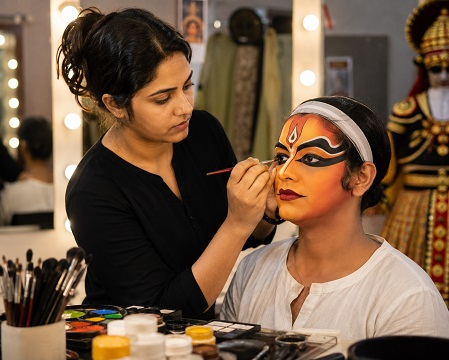
Theatrical makeup artists are creatives who design theatrical makeup and apply it to actors and performers in theater productions, including plays, musicals, operas, ballets, and other live performances. Combining their mastery of makeup methods with technical expertise, these visual storytellers accentuate characters’ appearances to enhance their stage presence and help them convey emotions and connect with the audience.
The job of the theatrical makeup artists goes beyond cosmetic application. They need to understand the nuances of stage lighting, distance from the audience, the character’s personality and role in the production, and the production’s overall vision.
Duties and Responsibilities
Theatrical makeup artists perform a range of tasks to enhance the appearance of actors and performers in theatrical productions:
- Character Interpretation – Theatrical makeup artists collaborate with directors and actors to understand the personalities, roles, and emotions of characters, ensuring that makeup aligns with the production's artistic vision.
- Makeup Design – They create makeup designs that suit the characters and production style, taking into account historical periods, genres, and thematic elements.
- Makeup Application – Using various techniques, they apply makeup to actors, focusing on features that need accentuation or modification to match the character's attributes.
- Collaboration – They work closely with costume designers and other production team members to ensure that makeup complements costumes, sets, and lighting.
- Lighting Considerations – They understand how different lighting conditions affect makeup appearance and adapt their techniques accordingly.
- Quick Changes – In cases of multiple characters or quick scene changes, they must swiftly apply and remove makeup, maintaining consistency and quality.
- Documentation – They keep records of makeup designs, products used, and techniques applied for consistency during the production's run.
- Hygiene and Safety – They follow best practices to maintain the health and safety of performers' skin and ensure the use of safe makeup products.
- Audience Interaction – They consider how makeup choices will be perceived by the audience and make adjustments to ensure characters are engaging and visually effective.
- Conveying Emotions – They use makeup to amplify facial expressions, helping actors communicate emotions to the audience even from a distance.
- Proximity Considerations – They ensure makeup looks realistic in both up-close interactions and when viewed from afar.
- Cleanup and Removal – At the end of performances, they remove makeup safely and efficiently.
- Continuous Learning – They stay updated with the latest makeup trends, techniques, and products, evolving their skills to meet the demands of diverse productions.
In essence, theatrical makeup artists are part artist, part technician. They use their creativity, expertise, and understanding of both character and stage dynamics to enhance the visual and emotional impact of live performances.
Types of Theatrical Makeup Artists
Now that we have a sense of the responsibilities of a theatrical makeup artist, let’s look at some specialists in the field, or different types of theatrical makeup artists:
- Special Effects Makeup Artist – These artists specialize in creating realistic injuries, wounds, aging effects, and other visual illusions using prosthetics, latex, and other materials. They are essential for productions that require dramatic transformations or realistic physical alterations.
- Period Makeup Artist – Period makeup artists have expertise in recreating historical makeup styles from specific eras. They meticulously research makeup trends and techniques of different time periods to ensure authenticity in period plays and productions.
- Fantasy and Sci-Fi Makeup Artist – These artists excel in crafting imaginative and otherworldly makeup looks for characters in fantasy, science fiction, and magical settings. They often incorporate vibrant colors, intricate designs, and unique textures to bring fantastical characters to life.
- Prosthetic Makeup Artist – Prosthetic makeup artists specialize in creating and applying prosthetics, such as masks, facial appliances, and body parts, to achieve realistic transformations for characters with unique physical features.
- Drag Makeup Artist – These artists are skilled at creating bold, dramatic, and glamorous makeup looks often associated with drag performances. They emphasize contouring, highlighting, and vibrant colors to create visually striking appearances.
- Dance and Ballet Makeup Artist – Dance makeup artists focus on creating makeup looks suitable for performers in dance and ballet productions. These looks need to withstand rigorous physical movement while highlighting facial expressions.
- Opera Makeup Artist – These artists cater to the unique requirements of opera productions, where characters often need makeup that is more exaggerated and visible from a distance due to the grandeur of opera stages.
- Horror Makeup Artist – Horror makeup artists specialize in creating spooky, gory, and horror-inspired makeup looks. They use their skills to create chilling effects and enhance the eerie atmosphere of horror productions.
- Children's Theater Makeup Artist – This role involves designing and applying makeup suitable for young actors in children's theater productions. The makeup should be age-appropriate and capture the essence of whimsical and youthful characters.
- Hair and Wig Stylist – While not strictly a makeup role, these professionals focus on creating and styling wigs and hairpieces to suit characters and production requirements.
Workplace of a Theatrical Makeup Artist
Theatrical makeup artists can work for a variety of entities within the entertainment and performing arts industry. These are some of their most common employers:
- Professional Theaters, including regional theaters, repertory theaters, and major Broadway (New York City) and West End (London productions
- Opera Houses
- Film and Television Studios
- Dance Companies, including ballet troupes and contemporary dance groups
- Cruise Lines and Theme Parks, creating looks for performers in live shows, parades, and interactive attractions
- Event Production Companies, specializing in producing live events, such as award shows, galas, and corporate events
- Touring Theater and Dance Productions, which travel to various cities or countries
- Talent and Entertainment Agencies that represent actors, models, and performers; in these settings, theatrical makeup artists prepare agency clients for auditions, photo shoots, and events
- Costume and Production Companies, working in tandem with costume designers to achieve a cohesive look
- Musical Groups and Bands, creating unique looks for concerts and music videos
- Fashion Shows, creating bold and theatrical looks for models during fashion shows and runway events
- Photography Studios, collaborating with photographers to prepare models and actors for photoshoots, editorial spreads, and portfolio shoots
- Educational Institutions, as faculty with performing arts schools, colleges, and universities with theater or performing arts programs
In addition to the above employment options, many theatrical makeup artists work as freelancers, taking on projects independently for various productions, events, and clients.
The workplace of these artists can vary widely depending on the nature of their projects. Here is a snapshot of some of the settings in which they often find themselves:
- Backstage of Theaters – In traditional theater, opera, and dance productions, theatrical makeup artists often work backstage in designated makeup rooms or areas. These spaces are equipped with proper lighting, mirrors, and workstations where artists can design and apply makeup to actors before they go on stage.
- Makeup Trailers on Film Sets – For film and television productions, makeup artists might work in dedicated makeup trailers on set. These trailers are equipped with all the necessary tools and products for makeup application, and they provide a private and controlled environment for artists to work on actors.
- Dressing Rooms – Makeup artists may work in dressing rooms alongside actors, especially during quick changes between scenes. This ensures that makeup can be adjusted and maintained throughout the performance.
- Production Studios – Makeup artists working on film, television, or video productions might have a workspace within production studios where they can prepare actors for various scenes.
- Freelance Locations – Freelance makeup artists work in different locations depending on the project. This could include actors' homes, event venues, photography studios, or wherever their clients require their services.
The theatrical makeup artist’s work environment is often fast-paced, especially during rehearsals and performances, with a focus on meeting tight schedules and delivering consistent and high-quality makeup looks.
How to become a Theatrical Makeup Artist
Becoming a successful theatrical makeup artist involves a combination of artistic skill, technical expertise, training, practice, networking, a strong portfolio of work, and ongoing learning. Here’s a snapshot of the pathway to the career:
High School Diploma or Equivalent
Most entry-level theatrical makeup artist positions require a high school diploma or equivalent. High school education provides a foundation in basic communication and math and organizational skills, and it lays the groundwork for further learning. Courses in drawing, painting, and sculpture will be especially applicable to a career in theatrical makeup.
Make-up Artistry Education
While there are no formal requirements to become a theatrical makeup artist, consider enrolling in a reputable make-up artistry school. Some schools may offer specialized programs in theatrical makeup.
Other Formal Education Options
Enrolling in a cosmetology or aesthetics and skin care program is another training option for aspiring theatrical makeup artists. These programs provide a comprehensive understanding of skincare and makeup application. A fine arts degree, though wider in scope, is yet another pathway to a career as a theatrical makeup artist.
Practice and Skill Development
Attend standalone masterclasses, workshops, seminars, and online tutorials to learn about different makeup styles, techniques, and products. Continuous learning is essential to stay updated with industry trends. Invest time in hands-on practice, applying makeup on different skin tones, face shapes, and features. Focus on perfecting a range of makeup looks. Experiment with different makeup products, tools, and techniques to develop your skills and understanding of makeup application.
Build a Portfolio and Create an Online Presence
Create a professional portfolio of your best theatrical makeup, showcasing a variety of makeup looks, styles, special effects, character designs, and models. Include both before and after photos to demonstrate your transformation abilities. In addition to a physical collection of photographs that demonstrate your versatility and range, establish an online presence through a website or social media profiles. This can help potential clients and employers discover your skills.
Gain Experience
Offer makeup services for free or at a discounted rate to friends, family, or acquaintances to gain some basic real-world experience. Join online forums, social media groups, and communities focused on theatrical makeup and the theater and performing arts, including musicals, comedies, tragedies, opera/operatic dramas (or operettas), melodramas, farces, and pantomimes. Engage with other artists and theater professionals, share your work, and learn from experienced practitioners. Offer your makeup services to local theater productions, school plays, community events, or student films to build your resume and showcase your skills. Seek internships or apprenticeships with makeup or photography studios. As you gain experience, consider specializing in a specific area of theatrical makeup, such as dance and ballet, opera, or special effects.
Persistence and Dedication
Breaking into the theatrical makeup industry can be competitive and challenging. Be persistent, patient, and dedicated to your craft.
Seek Opportunities
Look for job openings with theaters, opera houses, film studios, production companies, theme parks, cruise lines, and other entertainment venues. Apply for positions as a makeup artist or theatrical makeup assistant.
Networking
Attend industry events, workshops, conventions, and trade shows related to makeup, theatrical makeup, and the entertainment and performing arts. Networking can help you connect with professionals and learn about job opportunities.
Certifications and Professional Organizations
While there are no universally recognized or standardized certifications specifically for theatrical makeup artists, there are several optional certifications and memberships that can enhance your credibility, showcase your skills, and demonstrate your commitment to continuous learning and to the industry. Here are a few you might consider:
- The United States Institute for Theatre Technology (USITT) is an organization focused on theater design and technology, including theatrical makeup. The organization offers educational opportunities, conferences, and resources for makeup artists and other professionals in the theater and performing arts industry.
- The National Association of Screen Make-up and Hair is a UK-based association for professional makeup artists and hairdressers who work in film, television, theater, fashion, and photographic.
- The International Make-Up Artist Trade Show (IMATS) is a series of makeup trade shows held in various cities worldwide. It offers workshops, seminars, demonstrations, and opportunities to connect with industry experts.
- The International Association of Professional Makeup Artists is a membership association created to provide education and business development services for people working as, or studying to become, a professional makeup artist. The minimum requirement to become a Certified Professional Makeup Artist is a combination of experience and education equivalent to three years of full-time employment, while the minimum requirement to become a Master Certified Makeup Artist is the equivalent of five years of full-time employment.
- The Professional Makeup Artists Conference & Expo is an industry expo for those who specialize in the makeup profession. Featuring experts from the beauty, fantasy, body art, entertainment and special effects, fashion, and bridal industries, PMAC encompasses all facets of the trade.
- Industry-Recognized Makeup Brands may offer certification programs for makeup artists who use their products. While these certifications may not be specific to theatrical makeup, they can demonstrate proficiency in using a particular brand’s products. Some brands also provide makeup artists with industry discounts and priority access to new products.
- Associated Skin Care Professionals (ASCP) is geared towards skincare professionals, but offers benefits that can be valuable for makeup artists as well. It provides educational resources, industry news, and networking opportunities.
- The National Association for Holistic Aromatherapy (NAHA) is a valuable resource for theatrical makeup artists and other industry professionals who specialize in using natural and holistic products.
- Online Communities and Forums like LinkedIn, Facebook, and beauty-related forums can provide a space for makeup artists to connect, share insights, and learn from one another.
- The Academy of Motion Picture Arts and Sciences (AMPAS), the organization behind the Oscars, while not exclusively for makeup artists, includes makeup artists in its Makeup Artists and Hairstylists Branch. Membership, which is by invitation only, offers opportunities to participate in the Oscars voting process and attend industry events.
- The British Academy of Film and Television Arts (BAFTA) includes makeup artists and hairstylists as part of its membership and offers access to industry events and networking opportunities. Membership is BAFTA is open to individuals with more than five years’ experience in key creative or senior executive roles across film, games, and television.
- Make-Up Artist Magazine, while not an association, offers a wealth of resources, industry news, and education for makeup artists, including those specializing in theatrical makeup.
Understanding Business Management
If you plan to establish your own theatrical makeup business or freelance in the field, it is crucial that you understand basic business principles, such as pricing, invoicing, client communication and customer service, and traditional and social media marketing. While some knowledge in these areas can be gained in entry-level jobs, working under the guidance of an experienced makeup artist, aspiring theatrical makeup artist entrepreneurs may wish to take courses in these and related business subjects. In addition, be sure to research any required licenses or permits for operating a makeup artistry business in your area, and consider obtaining liability insurance to protect yourself and your business in case of any unforeseen incidents or accidents.
Skills Needed for a Theatrical Makeup Artist
A successful theatrical makeup artist combines artistic creativity with technical expertise to create makeup that enhances performers under stage lighting and suits different characters.
Hard Skills
- Makeup Application Techniques – Applying foundation, contouring, highlighting, and color correction for stage performances.
- Character Makeup – Creating looks based on scripts, historical periods, fantasy, or fictional characters.
- Special Effects (SFX) Makeup – Producing realistic wounds, scars, bruises, burns, aging effects, and prosthetic applications.
- Face Painting – Designing bold, detailed face paint for theatrical productions and performances.
- Prosthetic Application – Attaching and blending latex, silicone, foam, or gel prosthetics seamlessly.
- Hair Styling and Wig Preparation – Styling wigs, hairpieces, facial hair, and period hairstyles.
- Color Theory – Selecting colors that complement costumes, lighting, and skin tones.
- Knowledge of Stage Lighting – Understanding how different lighting affects makeup appearance.
- Product Knowledge – Using theatrical cosmetics, adhesives, sealers, removers, and skin-safe products correctly.
- Hygiene and Sanitation – Maintaining clean tools, preventing cross-contamination, and following safety standards.
- Quick Makeup Changes – Applying or changing makeup efficiently during live performances.
- Airbrush Makeup – Using airbrush systems for smooth, long-lasting finishes.
- Skin Preparation – Preparing different skin types before makeup application.
- Costume Coordination – Matching makeup with costumes, hairstyles, and production themes.
Soft Skills
- Creativity – Designing unique and visually striking character appearances.
- Attention to Detail – Ensuring every element of the makeup is precise and stage-ready.
- Communication Skills – Working effectively with actors, directors, costume designers, and production teams.
- Time Management – Completing makeup within strict production schedules.
- Patience – Remaining calm during lengthy makeup sessions and backstage preparations.
- Adaptability – Adjusting makeup designs based on performance requirements or last-minute changes.
- Problem-Solving – Finding quick solutions for makeup issues during live productions.
- Teamwork – Collaborating closely with backstage crews and performers.
- Stress Management – Performing well under pressure during rehearsals and live shows.
- Customer Service – Building positive relationships with performers and clients.
- Observation Skills – Noticing small details that improve realism and character consistency.
- Manual Dexterity – Maintaining steady hands for detailed makeup work.
- Professionalism – Being reliable, punctual, and maintaining confidentiality when working with productions or performers.
- Continuous Learning – Keeping up with new makeup techniques, trends, products, and special effects methods.
Salary of a Theatrical Makeup Artist
The salary of a theatrical makeup artist varies depending on experience, employer, production size, and location.
India (Approximate Annual Salary)
- Entry-Level (0–2 years): ₹2.5 lakh – ₹4 lakh per year
- Mid-Level (3–7 years): ₹4 lakh – ₹7 lakh per year
- Experienced (8+ years): ₹7 lakh – ₹12 lakh+ per year
- Freelance/Theatre Productions: ₹2,000 – ₹15,000 per show or ₹5,000 – ₹30,000+ per day, depending on the production and expertise.
International (Approximate Annual Salary)
- United States: $40,000 – $85,000 per year
- United Kingdom: £25,000 – £50,000 per year
- Canada: CAD 45,000 – CAD 75,000 per year
- Australia: AUD 55,000 – AUD 90,000 per year
Factors That Influence Salary
- Years of professional experience
- Skill in special effects (SFX) makeup and prosthetics
- Reputation and portfolio
- Type of employer (theatre company, film studio, television, live events)
- Location and demand for theatrical productions
- Freelance versus full-time employment
- Professional certifications and advanced training
Experienced theatrical makeup artists working on major theatre productions, film sets, television shows, or international performances can earn significantly more than the average salary, especially if they specialize in prosthetics, character transformation, or special effects makeup.









User's Comments
No comments there.