

Stories you may like
Sports Trainer
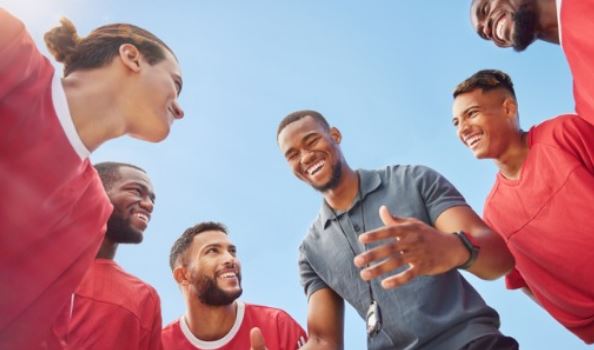
A sports trainer is a fitness professional with specialized expertise in tailoring training regimens to the unique physical demands and skill requirements of a particular sport. These trainers work closely with athletes to design and implement customized workout programs aimed at improving performance, enhancing skills, preventing injuries, and optimizing overall fitness in alignment with the specific movements, techniques, and demands of the targeted sport. This specialized training approach helps athletes maximize their potential and excel in their chosen athletic endeavors.
Duties and Responsibilities
The role of a sports trainer involves a variety of tasks aimed at optimizing an athlete's skills, physical conditioning, and overall preparation for their chosen sport. Here are the key responsibilities and actions that a sports trainer typically engages in:
- Assessment and Evaluation – conduct thorough assessments of an athlete's current fitness level, skills, strengths, weaknesses, and overall health; evaluate the specific requirements and demands of the athlete's chosen sport
- Designing Customized Training Programs – develop individualized training regimens that align with the athlete's goals, the demands of the sport, and the assessment results; tailor training programs to target the necessary muscle groups, movements, and skills relevant to the sport
- Skill Enhancement and Technique Refinement – incorporate drills and exercises that focus on improving the athlete's sport-specific skills and techniques; implement specialized training methods to enhance coordination, agility, speed, and other skills essential for the sport
- Strength and Conditioning – design strength training and conditioning exercises to improve the athlete's muscular strength, endurance, and overall physical fitness; integrate exercises that replicate movements and patterns relevant to the athlete's sport, optimizing their performance
- Injury Prevention and Rehabilitation – develop injury prevention strategies through appropriate warm-up routines, stretching, and strengthening exercises tailored to mitigate sport-specific injury risks; assist in rehabilitation programs if the athlete sustains an injury, focusing on a safe and effective return to play
- Nutritional Guidance – provide guidance on proper nutrition, hydration, and dietary habits that support the athlete's training, performance, and recovery needs; create meal plans and advise on appropriate nutrient intake for optimal athletic performance
- Monitoring Progress and Adjusting Programs – regularly track the athlete's progress and assess the effectiveness of the training program; modify the training regimen based on progress, performance feedback, and changes in the athlete's goals or circumstances
- Mental Preparation and Coaching – offer mental preparation techniques to help athletes develop focus, concentration, confidence, and resilience in competitive situations; act as a mentor and motivator, providing encouragement, guidance, and feedback to boost the athlete's morale and mental strength
- Education and Communication – educate athletes about proper training techniques, injury prevention, recovery strategies, and the importance of adherence to the training program; maintain clear and effective communication with athletes, coaches, and other members of the support team to ensure a cohesive approach to training and performance optimization
Types of Sports Trainers
Now that we have a sense of the general responsibilities of sports trainers, let’s look at some different types of these trainers, each specializing in specific sports or categories of athletic activities and using training methods tailored to the unique demands, movements, and requirements of the sports on which they focus:
- Strength and Conditioning Coaches – focus on improving an athlete's strength, power, agility, speed, and overall physical conditioning through targeted strength training programs; may work across a variety of sports to enhance athletes' general physical performance
- Endurance and Cardiovascular Trainers – specialize in improving an athlete's cardiovascular fitness and endurance, typically for sports that require sustained effort over longer durations, such as long-distance running, cycling, or swimming
- Skill Development Coaches – concentrate on enhancing an athlete's technical skills and techniques specific to a particular sport; may involve refining movements, coordination, and precision relevant to the sport, such as shooting in basketball or serving in tennis
- Position-Specific Coaches – focus on training athletes for specific positions within a sport; for example, in football, there are position-specific coaches for quarterbacks, wide receivers, offensive linemen, etc., who tailor training to the unique demands of their respective positions
- Team Sport Coaches – specialize in training athletes in team-based sports such as soccer, basketball, football, and hockey; these coaches focus on teamwork, strategy, coordination, and game-specific skills required to succeed as a team
- Rehabilitation and Injury Prevention Specialists – work on injury prevention strategies and rehabilitation exercises to ensure athletes recover from injuries and return to the sport safely; these specialists may have sports medicine or physical therapy training and/or credentials
- Youth Sport Trainers – specialize in working with young athletes, tailoring training programs that consider the unique physical and mental development needs of children and teenagers involved in sports
- Special Populations Trainers – focus on athletes with specific needs, such as adaptive sports trainers for athletes with disabilities or elderly sports trainers specializing in fitness programs for older adults involved in sports
- Nutrition and Dietetics Specialists – offer guidance on proper nutrition, hydration, and dietary habits to optimize an athlete's performance, recovery, and overall health; may also address weight management and body composition
Workplace of a Sports Trainer
Sports trainers can work for a variety of organizations and entities that involve athletes and sports teams. Here is an overview of their most common employers:
- Professional Sports Teams – Major and minor league teams across various sports, such as football, basketball, baseball, soccer, hockey, etc., often have a team of sports trainers to work with their athletes.
- Colleges and Universities – Athletic programs in colleges and universities employ sports trainers to support student-athletes across a range of sports, ensuring they are adequately trained and conditioned for competition.
- High Schools – High school athletic programs often employ sports trainers to work with student-athletes, providing training, injury prevention, and rehabilitation services.
- Private Sports Training Facilities – Private sports training centers or facilities hire sports trainers to work with athletes seeking specialized training in specific sports or skill areas.
- Fitness Centers and Gyms – Fitness centers that focus on sports performance may employ sports trainers to work with clients looking to improve their performance in a particular sport or activity.
- Rehabilitation and Physical Therapy Clinics – Some rehabilitation and physical therapy clinics employ sports trainers to assist with athletes' rehabilitation after injuries, focusing on sport-specific recovery and strengthening exercises.
- Sports Medicine Clinics – Sports medicine clinics may have sports trainers as part of their team to offer specialized training and rehabilitation services to athletes.
- Nonprofit Sports Organizations – Nonprofit organizations involved in promoting sports and physical activity may employ sports trainers to conduct training programs for athletes in the community.
- Private Clients and Athletes – Some sports trainers operate independently and work with individual athletes or clients on a private basis, offering specialized training and guidance.
- Research Institutions and Academia – Some trainers may work in research institutions or academic settings, conducting research related to sports science and training methodologies while also providing training services to athletes.
- Corporate Wellness Programs – Companies may hire sports trainers to lead corporate wellness programs or offer fitness and sports training to their employees.
The workplace of a sports trainer can vary depending on the specific role, the type of organization they work for, and the athletes or clients they are training. Typical settings are equipped with specialized sports equipment and include gyms, sports complexes and venues, outdoor and indoor stadiums, sports fields dedicated to specific sports, and clients’ homes.
How to become a Sports Trainer
Becoming a sports trainer involves a combination of education, practical experience, certifications, and a passion for sports and fitness. Here’s a general outline of the pathway to the career:
High School Diploma or Equivalent
A high school diploma or equivalent is typically the minimum requirement to start sports training education. High school provides a foundation in basic communication and math and organizational skills, and it lays the groundwork for further learning.
Bachelor's Degree
Obtain a bachelor's degree in a relevant field such as exercise physiology, personal training, kinesiology, or physiology. A degree in nutrition science or another healthcare discipline is an alternative route to a career in sports training.
Coursework Relevant to Sports and Exercise
Within the bachelor's program, coursework should include subjects such as exercise physiology, biomechanics, sports nutrition, strength and conditioning, injury prevention, sports psychology, and sports management. These courses provide a fundamental understanding of training principles and athlete care.
Internships and Practical Experience
Gaining practical experience through internships, practicums, or hands-on training opportunities is crucial. These experiences allow you to apply theoretical knowledge in real-world settings and understand the dynamics of working with athletes.
Specialization in a Sport or Area
Focus on a specific sport or area of expertise (soccer, basketball, endurance sports, etc.). Learn about the biomechanics, training methodologies, and specific conditioning required for that sport.
Certifications and Continuing Education
While not formal educational requirements, obtaining industry-recognized certifications related to personal training, strength and conditioning, or sport-specific training is highly recommended. Many employers prefer or require trainers to hold relevant certifications to ensure competence and proficiency. Continuous learning through workshops, seminars, and conferences is also essential to stay updated with the latest advancements in the field.
These are some well known and respected certifications available to sports trainers:
- Certified Strength and Conditioning Specialist (CSCS) – Offered by the National Strength and Conditioning Association (NSCA), the CSCS certification is one of the most recognized in the sports and fitness field. It is designed for professionals working with athletes and focuses on performance enhancement, injury prevention, and sports-specific training.
- Certified Personal Trainer (CPT) Specializing in Strength and Conditioning – Various organizations, such as the National Academy of Sports Medicine (NASM) and the American Council on Exercise (ACE), offer personal trainer certifications. These certifications cover general fitness and can be a good starting point.
- Certified Collegiate Strength and Conditioning Coach (SCCC) – Offered by the Collegiate Strength and Conditioning Coaches Association (CSCCa), this certification is aimed at those working in college and university settings. It emphasizes program design, coaching techniques, and athlete development.
- Certified Sports Performance Coach (SPC) – Offered by USA Weightlifting (USAW), this certification focuses on Olympic weightlifting techniques and training. It is particularly valuable for trainers working with athletes seeking to improve explosive strength and power.
- Performance Enhancement Specialist (PES) – Offered by the National Academy of Sports Medicine (NASM), the PES certification focuses on improving athletic performance through training, injury prevention, and biomechanics.
- Functional Movement Screen (FMS) Certification – The FMS certification, offered by Functional Movement Systems, focuses on assessing and improving movement patterns to prevent injuries and optimize performance.
- Precision Nutrition Level 1 Certification (PN1) – While not specific to sports training, nutrition is a key component of fitness. This certification, offered by Precision Nutrition, provides knowledge about nutrition coaching and dietary strategies to support training programs.
- Certified Sports Nutritionist (CISSN) – Offered by the International Society of Sports Nutrition (ISSN), the CISSN certification focuses on sports nutrition and its applications to optimize an athlete's performance, recovery, and body composition.
- High-Intensity Interval Training (HIIT) Specialist – HIIT specialists create high-intensity interval training programs designed to improve an athlete's cardiovascular fitness, endurance, and metabolic conditioning.
- Certified Sports Performance Coach (CSPC) – Offered by the National Sports Performance Association (NSPA), the CSPC certification covers sports psychology, exercise physiology, nutrition, and training methods to enhance sports performance.
- Certified Corrective Exercise Specialist (CES) – Offered by the National Exercise Trainers Association (NETA), the CES certification focuses on exercise programs for individuals with various medical conditions, including post-rehabilitation clients.
- United States Track and Field (USATF) Level 1 Coach Certification – This certification focuses on coaching track and field sports, including sprints, jumps, throws, distance running, and racewalking. It covers coaching techniques, event-specific training, and sports science principles.
- Certified Speed and Agility Coach (CSAC) – Offered by the National Sports Performance Association (NSPA), the CSAC certification focuses on developing speed, agility, and quickness for athletes in various sports.
It is important to note that each certification provider has its own prerequisites, study materials, and examination processes.
Also providing career support to sports trainers are the American College of Sports Medicine (ACSM), the International Sports Sciences Association (ISSA), and the International Youth Conditioning Association (IYCA).
Master's Degree (Optional)
Pursuing a master's degree in a relevant field is optional but can provide a competitive edge in the job market. Advanced degrees deepen your knowledge and expertise, making you more attractive to potential employers, particularly those seeking to fill more senior positions.
Networking and Relationship Building
Network with professionals in the sports and fitness industry. Attend industry events, workshops, and seminars to connect with potential employers, trainers, and athletes. Networking can open up opportunities for job placements and collaborations.
Client Base Development
If working independently as a private practitioner, build a client base by marketing your services, showcasing your expertise, and establishing a positive reputation within the community. Offer trial sessions or workshops to attract clients.
Skills
A sports trainer needs a combination of medical knowledge, physical conditioning expertise, and interpersonal communication skills to manage athlete safety, performance, and recovery.
Hard Skills (Technical & Clinical)
- Injury Prevention & Management: Knowledge of protocols like RICER, STOP, and TOTAPS, plus emergency care (CPR and DRABCD).
- Anatomy & Biomechanics: Deep understanding of human physiology, body mechanics, and how injuries occur.
- Rehabilitation & Conditioning: Ability to design safe return-to-play programs, strength training routines, and therapeutic exercises.
- Concussion & Crisis Assessment: Quick evaluation of head injuries and acute trauma on the field.
- Equipment & Technology: Proficiency in fitting protective gear, using injury transport tools, and tracking progress with fitness software. [
Soft Skills (Interpersonal & Behavioral)
- Communication: Clear verbal delivery to instruct athletes and written skills to log reports or share updates with coaches and doctors.
- Active Listening: Paying attention to a client’s physical limits, pain levels, and personal fitness goals.
- Empathy & Patience: Supporting athletes through the emotional and physical frustration of long-term recovery.
- Calm Under Pressure: Making split-second decisions during high-stress injuries or fast-paced sporting events.
- Time Management: Structuring training schedules, warm-ups, and rehabilitation sessions efficiently.








User's Comments
No comments there.