


Stories you may like
Forensic Pathologist
Forensic pathologists are both medical professionals and scientists, applying scientific methodologies to the examination of deceased individuals in order to provide insights into the circumstances surrounding their deaths. Forensic pathologists primarily work in forensic pathology laboratories, medical examiner offices, or coroner's offices, where they conduct post-mortem examinations (autopsies) to determine the cause and manner of death. Their work involves examining bodies, analyzing medical histories, and conducting laboratory tests to uncover evidence that may shed light on the circumstances surrounding a death.
In addition to conducting autopsies, forensic pathologists are often called upon to testify as expert witnesses in legal proceedings, providing insights into their findings and helping to establish the medical facts surrounding a death. They collaborate closely with law enforcement agencies, forensic scientists, and other professionals involved in criminal investigations.
The work of a forensic pathologist is essential in cases of homicide, accidental deaths, and suspicious fatalities, contributing crucial information to the legal system and aiding in the pursuit of justice. The role requires a comprehensive understanding of medical science, pathology, and a commitment to upholding the principles of forensic medicine in the interest of public safety and the administration of justice.
Duties and Responsibilities
The duties and responsibilities of a forensic pathologist may include:
- Conducting Autopsies: Forensic pathologists are trained to perform autopsies, which involve a thorough examination of the body to identify any injuries or evidence of disease that may have contributed to the person's death. They may also collect samples of bodily fluids or tissues for further testing and analysis.
- Analyzing Evidence: Forensic pathologists are trained to analyze physical evidence, including medical records, toxicology reports, and other laboratory data, to help determine the cause and manner of death. They may also work with other forensic experts, such as forensic toxicologists or DNA analysts, to analyze evidence related to a person's death.
- Writing Reports: Forensic pathologists are required to write detailed reports on their findings, including the cause and manner of death. These reports may be used as evidence in legal proceedings or criminal investigations.
- Testifying in Court: Forensic pathologists may be called upon to testify in court as expert witnesses, providing their professional opinion on the cause and manner of death. They may also be asked to interpret and explain complex medical or scientific concepts to a judge or jury.
- Consulting with Law Enforcement: Forensic pathologists work closely with law enforcement officials, providing their expertise and guidance on cases involving suspicious deaths. They may also collaborate with medical examiners, coroners, and other healthcare professionals to gather and interpret evidence related to a person's death.
A forensic pathologist is a medical doctor who investigates unexpected, suspicious, unnatural and/or violent deaths. They usually do this by performing autopsies (a medical exam of a body after death). Their work involves both medical and legal matters.
Pathology is the branch of medicine that involves the laboratory examination of samples of body tissues for diagnostic or forensic purposes. “Forensic” means “related to scientific methods of solving crimes.” But not all deaths that forensic pathologists investigate are criminal.
Forensic pathologists have specialized training in the following areas:
- Toxicology: The branch of science involving the nature, effects and detection of poisons. Examples of poisonings include carbon monoxide, venomous snake or insect bites, and substances like opioids and alcohol.
- Ballistics and ballistics wounds: The study of the motion and effects of projectile units, such as bullets.
- Trace evidence: The material(s) left behind when two objects or two people interact, such as fibers, bodily fluids, gunshot residue, hair and fingerprints.
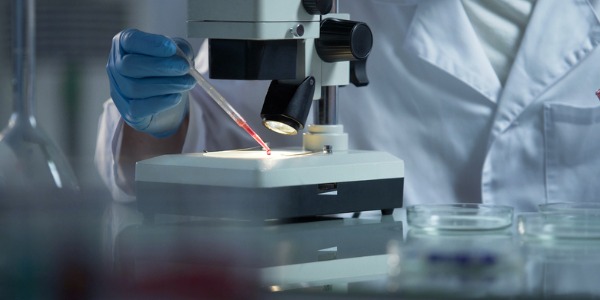
- Serology: The study of blood and other bodily fluids. Forensic pathologists may look at these fluids under a microscope or perform tests on the samples with machines, such as analyzers for blood tests.
- DNA technology: The study and manipulation of genetic material (DNA). Forensic pathologists may compare evidence DNA to a suspect’s DNA or use DNA to confirm the identity of the body, for example.
What do forensic pathologists do?
The main role of a forensic pathologist is to determine the mechanism, time and manner of death (that is, homicide, suicide, accidental, natural or undetermined) in cases in which a person dies unexpectedly or violently.
To do this, a forensic pathologist:
- Confirms the identification of a body or gathers information that helps determine identification.
- Studies the medical history of the deceased person.
- Evaluates crime scene evidence in relation to the death (if applicable).
- Performs an autopsy to uncover evidence of injury or disease. They carefully report this evidence, as it may be necessary for a future trial on the death.
- Collects and analyzes trace evidence from the body.
After they’ve finished their investigation, the forensic pathologist prepares a written report explaining the mechanism, time and manner of death. They may also testify to these findings in court as an expert witness.
Forensic pathologists may also be involved in examining cases of living patients who have experienced sexual assault or physical abuse.
Where do forensic pathologists work?
Most forensic pathologists work for a city or county government in the medical examiner’s or coroner’s offices. Others work in hospitals, medical schools or in a private practice that provides autopsy services under contract to attorneys, families and others.
Forensic pathologists spend most of their time in a morgue performing autopsies or in a lab examining tissue samples and running tests. Occasionally, forensic pathologists may have to go to a death scene to work with police investigators.
Types of Forensic Pathologists
In the field of forensic pathology, professionals may specialize in various areas based on their expertise and focus within the broader discipline. Here are some types of forensic pathologists, each specializing in specific aspects of forensic medicine:
- Medical Examiner: Medical examiners are forensic pathologists responsible for investigating sudden, unexpected, and suspicious deaths. They work in medical examiner's offices and are often involved in determining the cause and manner of death, particularly in cases requiring legal investigation.
- Coroner: Coroners are elected or appointed officials responsible for investigating deaths within a specific jurisdiction. While not all coroners are forensic pathologists, some are physicians with forensic pathology training, and they work closely with medical examiners to determine the cause of death.
- Forensic Anthropologist: Forensic anthropologists specialize in the analysis of skeletal remains to determine the identity, age, sex, and potential cause of death. They may work alongside forensic pathologists in cases involving decomposed or skeletal remains.
- Forensic Odontologist: Forensic odontologists focus on the examination of dental evidence, such as teeth and bite marks, to assist in identifying individuals and providing information related to the circumstances of death.
- Forensic Toxicologist: Forensic toxicologists specialize in analyzing biological samples to identify and quantify drugs, chemicals, and toxins. They play a crucial role in cases where poisoning or substance abuse is suspected as a cause of death.
- Neuropathologist: Neuropathologists specialize in the examination of the nervous system, including the brain and spinal cord. They may be involved in cases where neurological factors contribute to the cause of death.
- Pediatric Forensic Pathologist: Pediatric forensic pathologists focus on investigating deaths involving children and infants. They have specialized knowledge in pediatric medicine and pathology, addressing unique considerations in cases of child fatalities.
- Digital Forensic Pathologist: With advancements in technology, some forensic pathologists specialize in digital forensics, involving the analysis of electronic evidence such as computer data, digital images, and information from electronic devices.
- Forensic Pathology Consultant: Forensic pathology consultants may work independently or with law enforcement agencies to provide expert opinions and consultation services in specific cases.
What is the workplace of a Forensic Pathologist like?
The workplace of a forensic pathologist is typically dynamic and varied, reflecting the nature of their role in investigating sudden, unexpected, or suspicious deaths. Forensic pathologists are commonly employed in medical examiner's offices, coroner's offices, or forensic pathology laboratories. These facilities are equipped with state-of-the-art autopsy suites and forensic laboratories where pathologists conduct post-mortem examinations to determine the cause and manner of death. The environment is clinical, with specialized tools and equipment for the meticulous examination of bodies, including autopsy tables, dissection instruments, and advanced imaging technology.
Forensic pathologists collaborate closely with a multidisciplinary team, including forensic scientists, investigators, law enforcement personnel, and other experts. They often participate in crime scene investigations to gather critical information and coordinate with other professionals involved in the forensic process. The nature of the work can be emotionally challenging, requiring a high level of professionalism and a commitment to upholding the principles of forensic medicine. Additionally, forensic pathologists may be required to testify as expert witnesses in legal proceedings, presenting their findings and conclusions to support the investigation or prosecution of criminal cases.
In addition to government agencies, some forensic pathologists may work in academic institutions, teaching and conducting research in forensic pathology. Others may choose to enter private practice or work as forensic pathology consultants, offering their expertise on a case-by-case basis.









User's Comments
Farhanjani jani Reply
Keep every accessory organized with storage solutions designed for collectors who value efficiency, cleanliness, and professional organization. https://www.coeros.com/collections/sex-doll-storage/
Farhan kenwood Reply
Compare premium real dildos with realistic textures, ergonomic designs, and body-safe materials built for everyday durability. real dildos