



Stories you may like
Feature Writer
A feature writer is a journalist who creates in-depth stories that go beyond basic news reporting. These articles often focus on people, events, or issues with a human-interest angle and are written in a more creative and descriptive style. Instead of just presenting the facts, feature writers use storytelling techniques to draw readers in and help them connect emotionally with the topic.
Feature writers can cover a wide range of subjects, including culture, health, lifestyle, travel, or profiles of individuals. They often include background details, interviews, and personal observations to give the story more depth. Their goal is to inform and engage readers while providing a fuller understanding of the topic being covered.
Duties and Responsibilities
The duties and responsibilities of a feature writer involve researching, writing, and crafting engaging stories that go beyond surface-level reporting. Common tasks include:
- Researching Topics: Feature writers gather detailed information on their subjects through interviews, background reading, and observation to ensure accuracy and depth.
- Conducting Interviews: Speaking with sources—such as experts, everyday people, or public figures—is essential for collecting firsthand insights and quotes that add credibility and emotion to the story.
- Writing and Editing: They write well-structured, descriptive articles using a creative and engaging style, then revise and edit for clarity, tone, and accuracy.
- Collaborating with Editors: Feature writers work closely with editors to shape the story's angle, length, and format to match publication standards and audience expectations.
- Meeting Deadlines: Even though feature stories may allow for more time than breaking news, writers still need to manage their schedules and meet set deadlines for submission.
Types of Feature Writers
Feature writers can specialize in various types of stories depending on their interests and the publication’s focus. Here are some common types:
- Human Interest Feature Writer: Focuses on emotional or inspiring stories about people and their experiences, often highlighting personal struggles, achievements, or unique life situations.
- Profile Feature Writer: Writes in-depth pieces about individuals, such as artists, leaders, or everyday people, exploring their background, personality, and impact.
- Travel Feature Writer: Covers destinations, cultures, and travel experiences, often blending firsthand adventure with practical information for readers.
- Lifestyle Feature Writer: Explores trends and topics related to health, fashion, food, relationships, or daily living in a relatable and engaging way.
- Cultural Feature Writer: Writes about art, film, music, literature, and other cultural subjects, often analyzing their significance and influence in society.
Workplace of a Feature Writer
The workplace of a feature writer can vary depending on the type of publication they work for and whether they are employed full-time or freelance. Many feature writers work in office settings at newspapers, magazines, or online media outlets. These environments often involve collaboration with editors, fellow writers, and other staff to plan stories and meet publishing deadlines.
Some feature writers work remotely or from home, especially those who are freelance. They manage their own schedules, pitch ideas to editors, and complete assignments independently. This setup offers flexibility but also requires strong self-discipline and time management skills. Freelance writers may also travel to conduct interviews or gather firsthand experiences for their stories.
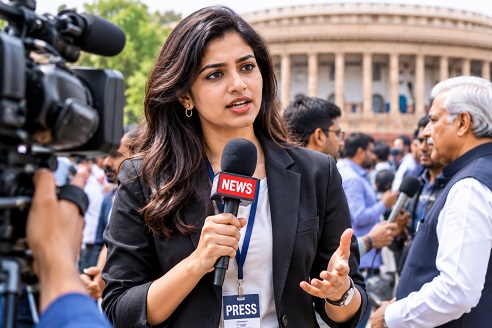
Whether in an office or working independently, feature writers often spend time conducting interviews in person, over the phone, or via video call. They may visit locations relevant to their stories to observe details and capture the atmosphere. The job involves a mix of desk work—writing, researching, and editing—and active fieldwork to bring their stories to life.
How to become a Feature Writer
Becoming a feature writer involves developing strong writing skills, building experience, and understanding how to craft compelling, in-depth stories. Here are the general steps to pursue this career:
- Earn a Relevant Degree: Many feature writers start with a Bachelor’s Degree in Journalism, Communications, English, or a related field. These programs teach writing, research, and reporting fundamentals.
- Consider a Master’s Degree: While not required, a Master’s Degree in Journalism or a specialized writing program can offer advanced training, access to industry professionals, and greater career opportunities, especially for competitive or high-profile positions.
- Build Writing Experience: Writing for school newspapers, blogs, or local publications is a great way to gain experience. Focus on creating well-researched and engaging articles that show your storytelling ability.
- Create a Portfolio: Assemble a collection of your best work to show editors and potential employers. Your portfolio should highlight your writing range and ability to cover different topics.
- Pitch and Publish Articles: Start submitting article ideas to magazines, websites, and newspapers. Even small or unpaid pieces can help build your credibility and visibility.
- Network and Keep Learning: Connect with other writers, attend workshops, and stay updated on industry trends. Continuing to refine your craft and expand your contacts can open more opportunities.
Skills Needed for a Feature Writer
To become a successful Feature Writer, the following skills are essential:
1. Excellent Writing Skills
- Ability to write clear, engaging, and meaningful articles.
- Knowledge of different writing styles and formats.
- Ability to organize ideas into well-structured paragraphs.
- Writing informative introductions and memorable conclusions.
- Presenting complex topics in simple language.
2. Storytelling Skills
- Ability to develop interesting stories from real-life events and experiences.
- Creating engaging narratives that connect emotionally with readers.
- Using descriptive language to make stories more attractive.
- Presenting personal experiences and human-interest stories effectively.
- Maintaining a natural flow throughout an article.
3. Research and Information-Gathering Skills
- Conducting detailed research before writing an article.
- Collecting information from books, newspapers, journals, interviews, and reliable websites.
- Understanding the background and context of different subjects.
- Identifying trustworthy sources of information.
- Gathering relevant facts, statistics, and examples to support articles.
4. Interviewing Skills
- Preparing meaningful questions before conducting interviews.
- Communicating confidently with experts, professionals, and ordinary people.
- Listening carefully to interview responses.
- Collecting accurate quotations and personal experiences.
- Building relationships with interviewees to obtain useful information.
5. Creativity and Original Thinking
- Developing fresh and interesting article ideas.
- Finding unique angles for commonly discussed topics.
- Presenting ordinary events from different perspectives.
- Creating attractive headlines and engaging introductions.
- Producing original content that captures readers' attention.
6. Language and Grammar Skills
- Having strong knowledge of grammar, spelling, and punctuation.
- Using appropriate vocabulary and sentence structures.
- Maintaining consistency in writing style and tone.
- Avoiding unnecessary repetition and complicated expressions.
- Editing written content to improve readability.
7. Communication Skills
- Expressing ideas clearly and confidently.
- Communicating effectively with editors, journalists, and sources.
- Explaining complicated information in an understandable manner.
- Maintaining professional relationships with interviewees.
- Accepting suggestions and feedback from editorial teams.
8. Critical Thinking and Analytical Skills
- Examining information from different viewpoints.
- Identifying important details and relevant facts.
- Understanding social, cultural, economic, and political issues.
- Evaluating the reliability of information.
- Developing balanced and meaningful articles.
9. Observation Skills
- Paying attention to people, places, events, and everyday activities.
- Identifying interesting details that can become article topics.
- Understanding human behaviour and social experiences.
- Observing changes in society, culture, and lifestyle.
- Collecting real-life details to make articles more authentic.
10. Fact-Checking and Accuracy
- Verifying facts before publishing articles.
- Checking names, dates, statistics, and quotations.
- Comparing information from multiple reliable sources.
- Avoiding misleading or unverified statements.
- Following ethical journalism and responsible reporting practices.
11. Time Management and Organization
- Planning article topics and writing schedules.
- Managing multiple writing assignments.
- Completing research and interviews within deadlines.
- Organizing notes, documents, and reference materials.
- Prioritizing important assignments without compromising quality.
12. Adaptability and Versatility
- Writing about different subjects, including health, education, travel, business, technology, and entertainment.
- Adjusting writing styles according to the target audience.
- Understanding the requirements of newspapers, magazines, and digital publications.
- Learning about new trends and developments.
- Adapting to changes in media and publishing industries.
13. Digital and Technical Skills
- Using Microsoft Word and Google Docs for writing and editing.
- Understanding content management systems (CMS).
- Using online research tools and digital databases.
- Learning basic Search Engine Optimization (SEO).
- Understanding digital publishing and social media platforms.
- Using photography and multimedia tools when required.
14. Emotional Intelligence and Empathy
- Understanding people's feelings, experiences, and perspectives.
- Handling sensitive topics with care and responsibility.
- Respecting different cultures, backgrounds, and opinions.
- Building trust with people during interviews.
- Presenting personal stories respectfully without exploiting individuals.
15. Headline and Content Development Skills
- Creating attractive and informative headlines.
- Writing compelling introductions that encourage readers to continue.
- Selecting suitable topics for the target audience.
- Organizing articles with meaningful headings and subheadings.
- Maintaining reader interest from beginning to end.
16. Patience and Persistence
- Spending sufficient time researching complex subjects.
- Revising articles several times to improve quality.
- Handling rejected article ideas and editorial feedback positively.
- Continuing research when information is difficult to obtain.
- Maintaining consistency and dedication in writing.
Salary of a Feature Writer
The salary of a Feature Writer depends on experience, writing ability, educational qualifications, publication platform, and location. Feature writers working for leading newspapers, magazines, publishing houses, and digital media companies may earn higher salaries.
1. Salary in India
- Entry-Level Feature Writer: ₹15,000 – ₹25,000 per month
- Junior Feature Writer: ₹20,000 – ₹35,000 per month
- Mid-Level Feature Writer: ₹35,000 – ₹50,000 per month
- Senior Feature Writer: ₹50,000 – ₹80,000 per month
- Chief Feature Writer / Editorial Specialist: ₹80,000 – ₹1,20,000+ per month
2. Salary in Other Countries
- USA: $40,000 – $75,000 per year
- UK: £24,000 – £40,000 per year
- Canada: CAD 40,000 – CAD 65,000 per year
- Australia: AUD 55,000 – AUD 80,000 per year
- UAE: AED 36,000 – AED 84,000 per year
- Germany: €30,000 – €50,000 per year
- Singapore: SGD 30,000 – SGD 55,000 per year
3. Freelance Feature Writer Earnings
Freelance feature writers are generally paid according to the length, complexity, research requirements, and publication of an article.
- Beginner: ₹500 – ₹1,500 per article
- Intermediate: ₹1,500 – ₹5,000 per article
- Experienced: ₹5,000 – ₹15,000+ per article
4. Factors Affecting a Feature Writer's Salary
- Work Experience: Experienced writers generally earn higher salaries.
- Writing Quality: Strong storytelling and research skills improve earning potential.
- Employer: Established newspapers and international publications may offer better compensation.
- Specialization: Expertise in business, technology, health, travel, or lifestyle writing can influence earnings.
- Location: Salaries vary depending on the country and city.
- Freelance Portfolio: A strong portfolio and established readership can help writers secure better-paying assignments.







User's Comments
No comments there.