

Stories you may like
Orchestral Conductor
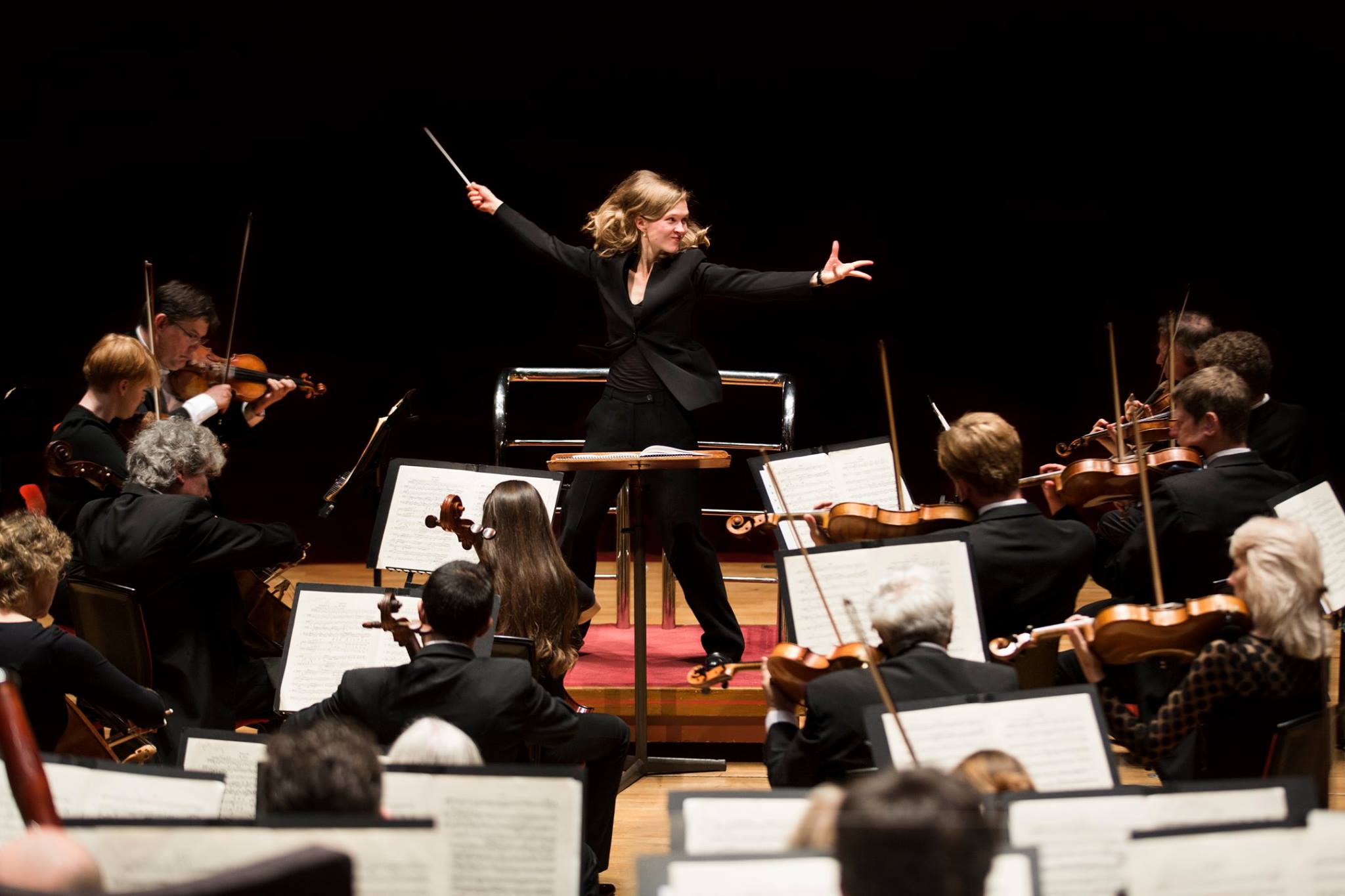
An orchestral conductor leads a group of musicians so a piece of music sounds smooth, coordinated, and emotionally powerful for the audience. They study the score carefully and guide the tempo, energy, and expression, helping all the individual players perform together like one instrument. By combining artistic vision with clear musical direction, the conductor ensures the performance is both accurate and moving.
Conductors work in professional symphony orchestras, opera companies, ballet productions, film or game recordings, community orchestras, and schools or universities. They often spend time in concert halls, opera houses, recording studios, or rehearsal spaces. To succeed, a conductor needs strong musical knowledge, score-reading and listening skills, clear physical communication, leadership, preparation, and the ability to collaborate with many musicians toward a shared artistic goal.
What does an Orchestral Conductor do?
Duties and Responsibilities
The responsibilities of an orchestral conductor bring together musical leadership, preparation, and collaboration so that an ensemble can perform at a high level.
- Score Study and Preparation: Conductors spend time studying scores, listening to recordings, and researching composers so they understand every part of the music before rehearsals and performances.
- Leading Rehearsals: They guide rehearsals using clear gestures, a baton, and spoken directions to fix issues, shape the sound, and help the orchestra work efficiently.
- Directing Performances: During live shows, conductors set the tempo, give cues, and keep all sections coordinated so the performance is smooth and expressive.
- Collaborating with Musicians and Creative Partners: Conductors regularly communicate with orchestra members, soloists, composers, and artistic staff to solve problems and keep everyone aligned.
- Using Tools and Technology: They use printed or digital scores, batons, metronomes, notation software, and project management tools to organize music, mark changes, and track schedules.
- Managing Schedules and Deadlines: Conductors plan carefully to meet rehearsal and performance timelines while respecting venue rules, contracts, and union requirements.
- Programming and Professional Growth: They help plan concert programs, coordinate with guest artists, and continue learning through concerts, workshops, and study to stay current in the field.
Types of Orchestral Conductors
There are several main types of orchestral conductors, each focusing on a particular setting or style of ensemble leadership.
- Music Director: A music director is the lead conductor who oversees the artistic direction of an orchestra or similar ensemble. This role combines conducting with long term planning, including repertoire choices, hiring decisions, and community or educational projects.
- Principal Conductor: A principal conductor is the main conductor regularly in charge of performances for an orchestra. This position usually carries responsibility for a large part of the season’s concerts while working closely with guest conductors and artistic staff.
- Guest Conductor: A guest Conductor is invited to lead an orchestra for a limited number of rehearsals and performances. This type of conductor brings fresh ideas and different interpretations to various ensembles without holding a permanent post.
- Associate or Assistant Conductor: An associate or assistant conductor supports the main conductor and often leads youth concerts, outreach programs, or some subscription performances. This role provides valuable experience, including covering rehearsals or stepping in when the principal conductor is unavailable.
- Opera Conductor: An opera conductor specializes in leading performances that combine orchestra, singers, and stage action in the opera house. This work focuses on coordinating the pit orchestra with the singers on stage and following the timing of staging and lighting cues.
- Session Conductor: A session conductor leads studio orchestras for film, television, or game recording sessions. This type of work emphasizes precision, timing to picture, and efficient use of studio time so that tight recording schedules are met.
What is the workplace of an Orchestral Conductor like?
An orchestral conductor usually works in rehearsal spaces, concert halls, theaters, and recording studios where the full ensemble can fit and hear clearly. Rehearsals happen in rooms with good acoustics, chairs and music stands arranged by section, and a podium at the front for the conductor with score and baton. Performances move to concert halls or opera houses, which may feel formal to audiences but serve as everyday workplaces for musicians. Away from the stage, conductors often spend time in offices or home workspaces studying scores, planning concerts, and handling messages.
Some parts of the job must be done in person, like leading rehearsals and concerts, but many planning tasks can be flexible or remote. Conductors may review digital scores, listen to recordings, and hold planning meetings via email or video calls. They also coordinate with management, agents, and guest artists using shared calendars, and use notation software to mark parts and organize music libraries.
Daily work focuses on rehearsals, score study, and constant communication with the orchestra and staff. In rehearsal, the conductor gives instructions, listens closely, and works with musicians to shape musical details, creating a fast-moving and focused environment. Collaboration is ongoing, as the conductor balances input from soloists, section leaders, and principal players while guiding the ensemble toward a unified performance. Between rehearsals, they update plans and prepare for the next session so rehearsal time is used efficiently.
How to become an Orchestral Conductor
Entering the career of an orchestral conductor starts with strong musical training and builds through education, hands on experience, and networking in the field.
- Build Basic Musical Skills: An aspiring conductor begins by learning to play an instrument such as piano or violin and studying music theory. These skills form the foundation needed to read scores, understand music deeply, and communicate with musicians.
- Earn a Relevant Bachelor’s Degree: They often pursue a Bachelor's Degree in Music or Music Theory and Composition with conducting courses when available. This education teaches core musical knowledge and gives early chances to work with ensembles.
- Gain Conducting Experience in School: During college, students typically volunteer to conduct school bands, choirs, or small orchestras and attend rehearsals of professional groups. These opportunities help develop podium skills and learn how ensembles work together.
- Pursue a Relevant Master's Degree: Some aspiring orchestral conductors complete a Master's degree in [Music] focused on orchestral or choral conducting, often with mentorship and podium time. Advanced study sharpens technique, score analysis, and leadership for professional work.
- Attend Masterclasses and Workshops: Many join masterclasses and workshops led by experienced conductors to get feedback and podium time with orchestras. These short programs provide targeted training and connections in the conducting world.
- Enter Conducting Competitions: Students may apply to international conducting competitions to test skills against peers and gain visibility. Prizes from these events often lead to performance invitations and career advancement.
- Seek Assistant or Fellowship Positions: They seek out assistant conductor roles, fellowships, or youth orchestra posts for real world experience. These positions offer regular rehearsals, mentorship, and steps toward larger ensembles.
- Network and Build a Reputation: They attend concerts, connect with musicians and directors, and start guest conducting small groups. Strong relationships and a growing track record open doors to music director or principal roles.
Certifications
Several educational institutions and music programs offer certificates in conducting that help build skills for orchestral work. These programs focus on practical training and are recognized in academic and professional music circles.
- Certificate in Orchestral Conducting: Concordia College, located in Moorhead, Minnesota, offers this certificate for music majors who want to study orchestral conducting techniques and score preparation. It benefits conductors by providing podium time with real ensembles and strong preparation for graduate programs or entry level roles.
- Orchestral Conducting Certificate: Utah Tech University provides this certificate that covers score analysis, rehearsal leadership, and expressive conducting for orchestras. It helps conductors gain hands on skills to lead rehearsals and performances effectively.
- University of North Carolina at Greensboro – Conducting Post Baccalaureate Certificate: UNCG offers a post baccalaureate conducting certificate with an instrumental track that can include advanced instrumental conducting and related graduate level coursework. This program is designed for students who already hold a music degree and want focused conducting study without a full master’s program.
- Ohio University – Graduate Conducting Certificate: Ohio University provides a Graduate Conducting Certificate with band, choral, and orchestral options for students enrolled in graduate music programs. The curriculum emphasizes manual technique, rehearsal skills, score study, repertoire, and error detection, and is intended to enhance employability or preparation for further doctoral study.
- Messiah University – Certificate of Advanced Graduate Studies in Orchestral Conducting: Messiah University in Pennsylvania offers graduate study in orchestral conducting that includes a Certificate of Advanced Graduate Studies alongside its online Master of Music in Conducting. The program is accredited by the National Association of Schools of Music and focuses on orchestral literature, pedagogy, and applied conducting for working educators and conductors.
- TECH Global University (USA) – Postgraduate Certificate, Orchestral Conducting: This online certificate program overs conducting technique, score reading, rehearsal planning, and leadership of vocal and instrumental ensembles. The program is marketed as a way to deepen skills in orchestral conducting and current practices and is delivered in an online format.








User's Comments
No comments there.