


Stories you may like
General Assignment Reporter
A general assignment reporter gathers and delivers the news that keeps a community informed about the world around it. These reporters act as versatile storytellers who move from one topic to another depending on what is happening each day. Their main job is to provide accurate, timely information to the public, making sure citizens stay connected to local events and broader developments.
Reporters typically work for news organizations such as local television stations, newspapers, radio outlets, and digital news websites. While much of the work happens in a newsroom, a large part takes place in the field, at the scene of breaking news, community events, or other important stories. Success in this role requires strong reporting skills, curiosity, and the ability to work quickly under tight deadlines. Clear communication is essential, as reporters interview people from all walks of life and turn sometimes complex information into stories that the public can easily understand.
What does a General Assignment Reporter do?
Duties and Responsibilities
The job of a general assignment reporter involves a mix of independent investigation and teamwork to bring important stories to the community.
- Information Gathering: Reporters attend local events and interview a wide range of people to get the facts for their stories. This process ensures that every report is based on real experiences and eyewitness accounts rather than just hearsay.
- Content Creation: Reporters use tools like WordPress or Google Docs to write and organize their news articles. These tools allow them to format their work correctly and collaborate with editors who provide feedback on their drafts.
- Multimedia Production: Many reporters use high-quality cameras or mobile apps like Adobe Premiere Rush to capture and edit video clips from the field. Providing visual elements helps the audience better understand the news and makes the storytelling more engaging.
- Deadline Management: Reporters must follow strict daily schedules so that their stories are ready for morning broadcasts or evening print editions. Meeting these time-sensitive requirements is essential for keeping the public informed about breaking news as it happens.
- Fact Verification: Before publishing, reporters cross-reference their notes with official records or trusted databases like LexisNexis to confirm accuracy. This step is a critical part of maintaining the news organization's reputation for being trustworthy.
- Professional Development: Success in this career involves staying updated with industry trends by attending workshops from groups like the Society of Professional Journalists. Learning about new digital storytelling techniques helps reporters keep their skills sharp in a changing media world.
Types of General Assignment Reporters
General assignment reporters cover a wide range of stories, but they can specialize in certain areas or approaches depending on their skills and the needs of their news organization.
- Breaking News Reporter: Focuses on urgent, time-sensitive events like accidents, natural disasters, or major announcements. They work quickly to gather facts and deliver accurate updates as the story develops.
- Feature Reporter: Covers human interest stories, lifestyle pieces, or cultural events. Their work emphasizes storytelling and in-depth reporting rather than immediate news.
- Investigative Reporter: Digs deeply into complex issues, uncovering hidden information or wrongdoing. They rely on research, public records, and interviews to produce thorough, evidence-based stories.
- Multimedia Reporter: Creates content across multiple platforms, including video, audio, and digital formats. They combine traditional reporting skills with technical skills to engage audiences online and on-air.
- Community Reporter: Focuses on local events, schools, neighborhoods, and issues affecting the community. Their reporting highlights stories that might not make national headlines but matter to local audiences.
- Enterprise Reporter: Develops original, long-term stories that require significant research and reporting. They often pitch story ideas and work independently to produce in-depth coverage beyond daily assignments.
What is the workplace of a General Assignment Reporter like?
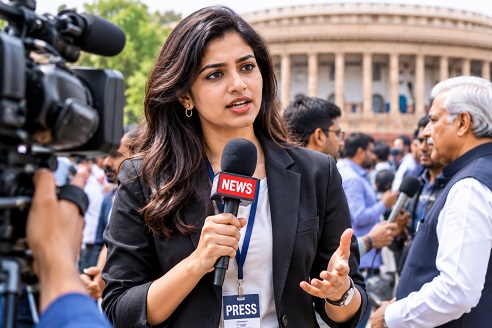
A general assignment reporter often splits time between a busy newsroom and various locations around the community. The home base is usually an open newsroom filled with desks, computer monitors, and large television screens showing live news feeds. You’ll hear people talking on phones, typing on keyboards, and moving quickly to meet deadlines. When important news breaks, reporters head out to places like city halls, local parks, or the scene of an unexpected event to gather facts and firsthand accounts.
Many news organizations now offer flexible options that let reporters file stories from home or other remote locations. They rely on tools like Slack or Microsoft Teams to stay in touch with editors and teammates throughout the day. Portable technology is essential. Most reporters carry a laptop and smartphone everywhere, using apps to record interviews, take photos, or upload videos directly from the field.
The daily routine is fast-paced and full of variety, since the news can change by the hour. Reporters often start the day in meetings with editors and producers to decide which stories are most important for the public. Collaboration is a big part of the job. They frequently work with photographers, researchers, and fellow writers to make sure stories are accurate and engaging. Even with constant deadlines and pressure, the environment is often energetic and supportive, with everyone working together to tell meaningful stories.
How to become a General Assignment Reporter
Entering the world of journalism requires a combination of formal training and practical experience to build a strong foundation for storytelling.
- Complete High School: Aspiring reporters should focus on classes like English, history, and government to develop strong writing and critical thinking skills. This academic background provides the necessary knowledge to understand complex community issues and write about them clearly.
- Earn a College Degree: Most news organizations require a Bachelor's Degree in Journalism, Broadcast Journalism, Mass Communication and Media Studies, English or a related discipline to ensure applicants understand media ethics and professional writing standards. These programs teach the technical side of the job, such as how to conduct research and use the Associated Press style for news articles.
- Join Student Media: Working for a high school or college newspaper, radio station, or television studio allows for immediate practice in a real news environment. This experience is important because it helps build a portfolio of published work that shows abilities to future employers.
- Develop Technical Skills: Learning how to use digital cameras, video editing software, and social media platforms is essential in the multi-platform news world. These skills are important because modern reporters often have to film and post their own stories to different websites or apps.
- Secure an Internship: Spending a summer or semester working at a local news outlet provides a look at how professional journalists handle daily deadlines and breaking news. This practical step is important for making professional contacts and gaining a competitive edge when applying for a first job.
- Obtain Professional Certifications: Many reporters choose to earn certifications in specialized areas like investigative reporting or digital media to show they have mastered specific industry standards. These credentials demonstrate a commitment to lifelong learning and help a reporter stand out in the job market.
- Apply for Entry-Level Roles: New graduates often start their careers as news assistants or junior reporters at smaller community newspapers or local stations. Starting in these roles leads to the confidence and experience needed to eventually move to larger news markets and more senior positions.
Certifications
Earning specialized certifications allows reporters to master new technologies and prove their commitment to high professional standards. These credentials help journalists keep their skills fresh as the media industry evolves and grows.
- Poynter Institute Certificates in Journalism: The Poynter Institute has long been recognized as the gold standard for professional development of journalists. It offers training and certification in Broadcast & Visual Journalism, Business & Work, Ethics, Fact-Checking & Media Literacy, Leadership, Reporting & Editing, and Writing.
- Poynter ACES Certificates in Editing: These certificates are awarded through a partnership between the Poynter Institute and American Copy Editors Society (ACES). Communicators at any stage of their professional development can benefit from one or all of three of the editing certificate programs: Introductory, Intermediate, and Advanced. There are no prerequisites for any of the certificates; learners can choose any or all of the learning paths to level up their editing skills. Each certificate level is made up of a series of six to seven courses and a final assessment.
- Google News Initiative Training Certificate: The Google News Initiative provides digital tools and resources that can help journalists find, verify, and tell engaging stories; experiment with new ways to visualize stories using new content formats, data, and more; and explore digital tools that help verify the authenticity and accuracy of online images, videos, and reports.
- Investigative Reporters & Editors (IRE): The IRE provides training, resources, and a community of support to investigative journalists; promotes high professional standards; and protects the rights of investigative journalists. It offers events, fellowships, scholarships, conferences, bootcamps; and workshops covering investigative reporting basics, such as interview strategies, public records navigation and database and document analysis.
- National Institute for Computer-Assisted Reporting (NICAR): This is a collaboration between IRE and the University of Missouri’s School of Journalism. For more than 30 years, NICAR has made valuable government datasets available to journalists, done custom analysis work for newsrooms large and small, held annual conferences that helped create and continue to support the active NICAR community, trained journalists around the country and overseas in the art of acquiring, cleaning, and analyzing data, provided resources for using data effectively and responsibly, and trained Missouri journalism students to handle data and do analysis.






User's Comments
No comments there.