


Stories you may like
Restaurant Cook
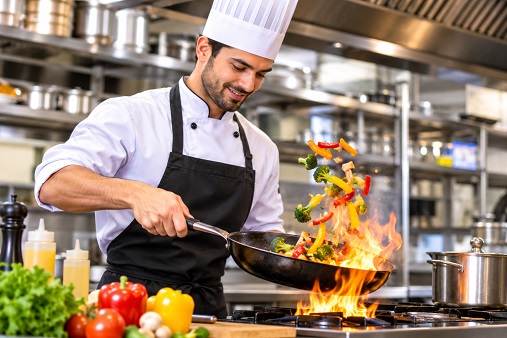
A restaurant cook prepares and cooks food in a restaurant or other dining establishment. They follow recipes, handle ingredients, and use kitchen equipment to make meals for customers. Their work can include chopping vegetables, cooking meat, baking, frying, and assembling dishes, depending on the type of restaurant. Cooks need to make sure the food tastes good, is cooked safely, and is presented nicely.
In addition to cooking, restaurant cooks often help keep the kitchen clean and organized. They may check inventory, store ingredients properly, and make sure kitchen tools are sanitized. Cooks usually work as part of a team, communicating with other kitchen staff and servers to ensure orders are prepared on time. This job requires attention to detail, the ability to work quickly under pressure, and a basic understanding of food safety and hygiene.
Duties and Responsibilities
Restaurant cooks have a range of duties and responsibilities aimed at ensuring the smooth operation of the kitchen and the timely preparation of high-quality dishes. Some of these duties include:
- Food Preparation: Restaurant cooks are responsible for preparing ingredients, including washing, cutting, and chopping vegetables, portioning meats and seafood, and measuring out spices and seasonings according to recipes.
- Cooking: Restaurant cooks execute cooking techniques such as grilling, sautéing, frying, roasting, baking, and steaming to prepare a variety of menu items, including appetizers, entrees, side dishes, and desserts. They must ensure that dishes are cooked to the appropriate temperature, texture, and doneness level while adhering to food safety and sanitation standards.
- Menu Execution: Restaurant cooks work closely with the head chef or kitchen manager to execute the menu and maintain consistency in taste, portion sizes, and presentation of dishes. They follow recipes and plating guidelines to ensure that each dish meets the restaurant's standards and exceeds customer expectations.
- Kitchen Organization: Restaurant cooks help maintain a clean, organized, and efficient kitchen environment by following proper storage procedures, rotating stock, and cleaning equipment, utensils, and workstations. They may also assist with inventory management, restocking ingredients, and ordering supplies as needed to support kitchen operations.
- Collaboration: Restaurant cooks collaborate with other kitchen staff, including sous chefs, line cooks, prep cooks, and dishwashers, to coordinate cooking times, communicate orders, and ensure smooth workflow during peak dining hours. They must work well under pressure and effectively communicate with team members to minimize errors and maximize efficiency.
- Quality Control: Restaurant cooks are responsible for inspecting food items for freshness, quality, and adherence to recipe specifications before serving them to customers. They may taste dishes for seasoning adjustments and visually inspect plates for presentation standards before they are sent out to the dining area.
Types of Restaurant Cooks
Within the culinary industry, there are various types of restaurant cooks, each specializing in different areas of food preparation and culinary techniques. Here are some common types of restaurant cooks:
- Culinary Chef: Culinary chefs oversee kitchen operations, create menus, and lead a team of kitchen staff to deliver high-quality dining experiences. Culinary chefs use their expertise in culinary techniques, flavor profiles, and food presentation to delight diners and ensure that each dish meets the restaurant's standards of excellence.
- Pastry Chef: Pastry chefs specialize in preparing desserts, pastries, and baked goods for the restaurant's menu. They have advanced skills in baking, pastry making, and dessert decoration, and may create a variety of sweet treats such as cakes, pies, tarts, cookies, and chocolates. Pastry chefs work closely with the culinary team to coordinate dessert offerings and ensure that sweet endings are a highlight of the dining experience.
- Prep Cook: Prep cooks focus on preparing ingredients and prepping food items before service begins. They perform tasks such as washing, peeling, and chopping vegetables, portioning meats and seafood, marinating proteins, making sauces and dressings, and assembling ingredients for menu items. Prep cooks play a vital role in ensuring that the kitchen is well-stocked and organized for service, allowing line cooks to focus on cooking during peak hours.
- Line Cook: Line cooks work on the "hot line" in the kitchen, responsible for preparing and cooking dishes to order during service. They work under pressure to ensure that orders are prepared accurately and efficiently, following recipes and plating guidelines provided by the chef or kitchen manager. Line cooks may specialize in specific stations, such as grill, sauté, fry, or expo, depending on the restaurant's menu and kitchen setup.
- Sous Chef: Sous chefs are second in command in the kitchen, assisting the head chef or executive chef with menu planning, recipe development, and kitchen management. They supervise kitchen staff, oversee food preparation, and ensure that dishes are prepared to the highest standards of quality and consistency. Sous chefs may also step in to fill in for line cooks or oversee specific stations during busy periods.
- Grill Cook: Grill cooks, also known as grill chefs or grillmasters, specialize in cooking meats, seafood, and vegetables on a grill or barbecue. They have expertise in grilling techniques, such as searing, smoking, and charbroiling, to achieve optimal flavor and texture. Grill cooks may be responsible for preparing grilled entrees, burgers, steaks, kebabs, and other grilled specialties for the restaurant's menu.
- Saute Cook: Saute cooks, also known as sauciers or saute chefs, specialize in cooking dishes in a sauté pan or skillet over high heat. They use techniques such as sautéing, stir-frying, and pan-searing to cook proteins, vegetables, and pasta dishes to order. Saute cooks are skilled at building flavors, deglazing pans, and finishing dishes with sauces and garnishes.
Workplace of a Restaurant Cook
The workplace of a restaurant cook is usually a busy, lively kitchen, the heart of the restaurant. This is where cooks spend most of their time preparing and cooking food, following recipes and customer orders. Kitchens come in all shapes and sizes, and the equipment and setup may vary, but everything is designed to help the team work efficiently and get meals out quickly.
Cooks rarely work alone. They team up with sous chefs, line cooks, prep cooks, and dishwashers, forming a close-knit group that keeps the kitchen running smoothly. Good communication is key: cooks coordinate cooking times, share tools, and help each other during the rush. Even though it can get hectic, kitchens often have a strong sense of camaraderie, with everyone pulling together to get the job done.
Working in a kitchen can be fast-paced and physically demanding. Cooks need to move quickly, stay focused, and follow strict food safety and sanitation rules. At the same time, it’s a place to get creative—experimenting with flavors, perfecting presentation, and showing off culinary skills. For many, the kitchen is both challenging and rewarding, full of energy, teamwork, and the chance to make great food that people love.
How to become a Restaurant Cook
To become a restaurant cook, you can follow these general steps:
- Gain Basic Culinary Skills: Start by learning basic culinary skills through self-study, cooking classes, or entry-level culinary programs. Familiarize yourself with cooking techniques, knife skills, food safety practices, and kitchen equipment commonly used in restaurant kitchens.
- Get Entry-Level Experience: Look for entry-level positions such as kitchen assistant, prep cook, or dishwasher in restaurants, catering companies, or food service establishments. These roles provide opportunities to gain hands-on experience in a professional kitchen environment and learn from experienced cooks and chefs.
- Pursue Formal Culinary Training: Consider enrolling in a culinary arts program, community college culinary program, or vocational training program to further develop your culinary skills and knowledge. Culinary education programs offer structured coursework, hands-on training, and industry-relevant curriculum taught by experienced chefs.
- Seek Apprenticeships or Internships: Apply for apprenticeship programs or internships offered by restaurants, hotels, or culinary organizations to gain practical experience and exposure to different kitchen environments. Apprenticeships typically involve working under the supervision of a mentor chef while receiving on-the-job training and guidance.
- Build Your Culinary Repertoire: Expand your culinary repertoire by experimenting with different ingredients, cuisines, and cooking techniques in your own kitchen. Practice cooking recipes from cookbooks, online resources, or cooking shows to develop your culinary creativity and confidence.
- Develop Professional Skills: Hone your professional skills such as time management, teamwork, communication, and attention to detail, which are essential for success in a restaurant kitchen. Demonstrate your reliability, work ethic, and willingness to learn as you gain experience and progress in your culinary career.
- Apply for Cook Positions: Once you feel confident in your culinary skills and experience, start applying for cook positions in restaurants or food service establishments. Look for job openings that match your skill level and culinary interests, and tailor your resume and cover letter to highlight your relevant experience and qualifications.
- Prepare for Interviews: Be prepared to showcase your culinary skills and passion for cooking during job interviews. Practice discussing your culinary background, experiences, and career goals, and be ready to answer questions about your cooking style, favorite dishes to prepare, and ability to work in a fast-paced kitchen environment.
Certifications
Obtaining certain culinary certifications can enhance your credentials, validate your skills, and demonstrate your commitment to excellence in the culinary field. Here are some certifications relevant to restaurant cooks:
- ServSafe Food Handler Certification: The ServSafe Food Handler Certification is a widely recognized food safety certification program offered by the National Restaurant Association. It covers essential food safety topics such as proper food handling, sanitation, hygiene, and preventing foodborne illnesses. Many employers in the restaurant industry require or prefer candidates to have this certification.
- ACF Certified Culinarian (CC): The American Culinary Federation (ACF) offers the Certified Culinarian (CC) certification for entry-level culinary professionals, including cooks, commis chefs, and prep cooks. This certification validates foundational culinary skills and knowledge in cooking techniques, knife skills, food safety, and kitchen operations.
- ACF Certified Sous Chef (CSC): The ACF Certified Sous Chef (CSC) certification is designed for experienced cooks who aspire to advance to supervisory or leadership roles in the kitchen. It demonstrates competency in culinary techniques, menu planning, cost control, kitchen management, and supervising kitchen staff.
- ProChef Level 1 Certification: The Culinary Institute of America (CIA) offers the ProChef Level 1 Certification program, which is designed for entry-level and mid-level culinary professionals, including line cooks and station chefs. This certification covers fundamental culinary skills, cooking techniques, flavor development, and professional kitchen practices.
- Culinary Skills Development Program (CSDP): The Culinary Institute of America (CIA) also offers the Culinary Skills Development Program (CSDP), which provides comprehensive training in basic culinary skills and techniques for aspiring cooks and culinary professionals. While not a certification, completing the CSDP program can enhance your culinary skills and prepare you for a career as a restaurant cook.
Skills Needed for a Restaurant Cook
A Restaurant Cook is responsible for preparing, cooking, and presenting food according to restaurant recipes and quality standards. They must have strong cooking abilities, knowledge of food safety, creativity, and the ability to work efficiently in a busy kitchen.
1. Essential Cooking Skills
- Food Preparation: Ability to wash, peel, chop, slice, and measure ingredients accurately.
- Cooking Techniques: Knowledge of grilling, frying, boiling, steaming, roasting, baking, and sautéing.
- Recipe Knowledge: Ability to follow recipes and prepare dishes consistently.
- Food Presentation: Skill in arranging and garnishing dishes attractively.
- Ingredient Selection: Knowledge of fresh vegetables, meat, seafood, spices, and other ingredients.
2. Food Safety and Hygiene Skills
- Kitchen Hygiene: Maintaining a clean and organized cooking environment.
- Food Handling: Handling raw and cooked ingredients safely.
- Temperature Control: Maintaining appropriate cooking, storage, and refrigeration temperatures.
- Food Safety Standards: Understanding food safety regulations and preventing cross-contamination.
- Sanitation: Cleaning kitchen equipment, utensils, and workstations properly.
3. Time Management Skills
- Preparing meals within specified time limits.
- Managing multiple food orders simultaneously.
- Prioritizing tasks during busy restaurant hours.
- Ensuring dishes are served on time.
4. Communication Skills
- Communicating clearly with chefs, kitchen assistants, and restaurant staff.
- Understanding customer orders and special food requests.
- Following instructions from head chefs and kitchen supervisors.
- Coordinating with serving staff to ensure smooth food delivery.
5. Teamwork and Collaboration
- Working effectively with other kitchen employees.
- Supporting colleagues during busy service periods.
- Sharing responsibilities and maintaining kitchen coordination.
- Cooperating with chefs to maintain food quality.
6. Creativity and Innovation
- Developing new dishes and food combinations.
- Experimenting with ingredients, flavours, and cooking methods.
- Improving food presentation.
- Adapting recipes to meet customer preferences.
7. Knowledge of Kitchen Equipment
- Operating ovens, grills, fryers, stoves, and mixers.
- Using knives and other kitchen tools safely.
- Maintaining kitchen equipment properly.
- Identifying equipment problems and reporting faults.
8. Multitasking Skills
- Preparing several dishes at the same time.
- Monitoring cooking processes while preparing other ingredients.
- Managing multiple orders without compromising quality.
- Maintaining an organized workflow.
9. Physical Stamina
- Standing for extended periods.
- Working in hot and fast-paced kitchen environments.
- Lifting and carrying kitchen supplies when required.
- Maintaining energy and concentration throughout shifts.
10. Problem-Solving Skills
- Handling unexpected ingredient shortages.
- Adjusting recipes when necessary.
- Managing cooking mistakes and correcting them quickly.
- Finding solutions during busy kitchen operations.
11. Basic Nutrition Knowledge
- Understanding food groups and nutritional values.
- Preparing balanced and nutritious meals.
- Recognizing common food allergies and dietary restrictions.
- Preparing vegetarian, vegan, and special-diet dishes.
12. Attention to Detail
- Measuring ingredients accurately.
- Maintaining consistent taste and food quality.
- Checking portion sizes and presentation.
- Following restaurant standards for every dish.
Salary of a Restaurant Cook
The salary of a Restaurant Cook depends on experience, cooking skills, restaurant type, location, and specialization. Cooks working in luxury hotels, fine-dining restaurants, and international restaurant chains may earn higher salaries.
1. Salary in India
- Entry-Level Restaurant Cook: ₹12,000 – ₹18,000 per month
- Experienced Restaurant Cook: ₹18,000 – ₹30,000 per month
- Senior Restaurant Cook: ₹30,000 – ₹45,000 per month
- Head Cook / Kitchen Supervisor: ₹35,000 – ₹60,000+ per month
2. Salary in Other Countries
- USA: $28,000 – $45,000 per year
- UK: £22,000 – £30,000 per year
- Canada: CAD 30,000 – CAD 45,000 per year
- Australia: AUD 50,000 – AUD 65,000 per year
- UAE: AED 18,000 – AED 36,000 per year
- Germany: €24,000 – €34,000 per year
- Singapore: SGD 20,000 – SGD 32,000 per year
3. Factors Affecting Salary
- Work Experience: Experienced cooks generally earn more than beginners.
- Cooking Specialization: Expertise in continental, Chinese, Italian, or other cuisines can improve earning potential.
- Restaurant Reputation: Luxury hotels and premium restaurants may offer higher salaries.
- Location: Salaries vary depending on the city and country.
- Professional Training: Culinary arts qualifications and food safety certifications can improve employment opportunities.









User's Comments
No comments there.