

Stories you may like
Political Journalist
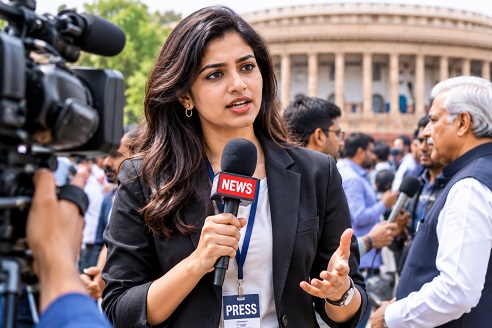
A political journalist reports on government, politics, and public affairs. Their job is to gather information about political events, elections, laws, and the actions of public officials, then present this information clearly to the public through articles, TV segments, or online content. They may attend press conferences, interview politicians, analyze policies, and write stories that help people understand what’s happening in the political world.
Political journalists work for newspapers, magazines, TV networks, or digital news platforms. They often work under tight deadlines and must verify facts carefully to make sure their reporting is accurate and fair. Whether covering local government meetings or national political debates, their goal is to inform citizens and help them stay engaged with important issues that affect their lives.
Duties and Responsibilities
The duties and responsibilities of a political journalist can vary depending on their employer and the level of politics they cover, but generally include:
- Researching Political Topics: Political journalists gather background information about politicians, government policies, legislation, and current events to provide accurate and in-depth reporting.
- Conducting Interviews: They interview politicians, experts, and other key figures to get direct quotes, insights, and firsthand information for their stories.
- Writing and Editing Articles: Journalists write news stories, features, or opinion pieces that explain complex political topics in a way that is clear and informative for the public.
- Attending Press Conferences and Events: They often attend political events, press briefings, and public meetings to observe and report on developments as they happen.
- Fact-Checking and Verifying Information: Political journalists must carefully verify all facts and sources to ensure their reporting is trustworthy and unbiased.
Types of Political Journalists
There are several types of political journalists, each focusing on different aspects of politics and government:
- Political Correspondents: These journalists cover general political news, including elections, legislative updates, and government activities at local, national, or international levels.
- Investigative Political Journalists: They focus on uncovering hidden or complex political stories, often involving corruption, misuse of power, or financial misconduct, through in-depth research and interviews.
- Opinion Columnists: These writers share personal perspectives on political issues, often using analysis and argument to comment on current events, policies, or political figures.
- Broadcast Political Journalists: Working in television or radio, these journalists report political news in live or recorded segments, often appearing on camera or narrating scripted stories.
- Political Analysts: Though sometimes considered a separate role, analysts often work alongside journalists to provide deeper context, data interpretation, and predictions about political trends.
Workplace of a Political Journalist
The workplace of a political journalist can vary widely, depending on the type of media outlet they work for and the scope of their coverage. Many spend time in newsrooms, where they research, write, and edit their stories. These offices are often fast-paced, especially when covering breaking political news or responding to unexpected developments in government. Journalists also rely on phones, email, and digital tools to communicate with sources and track down information.
Outside the newsroom, political journalists frequently travel to where the news is happening. This can include covering political rallies, press conferences, legislative sessions, or court proceedings. Those covering national or international politics may work from major cities like Washington, D.C., or travel with political candidates during election campaigns. The job can involve long hours, including nights and weekends, particularly during busy political seasons.
Political journalists often interact with a wide range of people, from public officials and press secretaries to fellow reporters and editors. The work environment requires strong communication skills, the ability to stay calm under pressure, and a commitment to accuracy. Whether reporting from a quiet office or a loud political event, the goal remains the same: to inform the public about important political developments in a clear and fair way.
How to become a Political Journalist
- Earn a Relevant Degree: Start with a Bachelor’s Degree in Journalism, Political Science, Communications, or a related field. These programs teach essential skills like writing, research, and media ethics.
- Build a Portfolio: Begin writing articles, especially about political topics, for school newspapers, blogs, or local publications. A solid portfolio showcases your ability to report clearly and accurately.
- Gain Journalism Experience: Look for internships or entry-level roles at news outlets, where you can learn from experienced journalists and become familiar with newsroom practices and deadlines.
- Develop Political Knowledge: Stay informed about political systems, history, current events, and public policy. A strong grasp of political issues helps you ask better questions and write more insightful stories.
- Consider a Master’s Degree: While not required, a Master’s Degree in Journalism or Political Communication can provide advanced training, improve research and writing skills, and help with career advancement or specialization.
- Network and Stay Active: Attend media events, join professional journalism organizations, and stay connected with editors and reporters. Building relationships in the industry can open doors to job opportunities.
Skills Needed for a Political Journalist
A Political Journalist needs a combination of research, communication, writing, analytical, and investigative skills to report political events, government policies, elections, and public affairs. They must understand political systems, follow current affairs, interview political leaders, and present accurate and unbiased information to the public. Strong ethics, critical thinking, and the ability to work under pressure are essential for success in this profession.
1. Strong Writing Skills
- Write clear, accurate, and engaging political news articles.
- Prepare reports about elections, government decisions, and political developments.
- Explain complex political issues in simple language.
- Develop compelling headlines and news stories.
2. Research Skills
- Gather information from reliable sources, government reports, and official documents.
- Research political parties, leaders, policies, and election campaigns.
- Verify facts before publishing news.
- Understand the historical background of political events.
3. Communication Skills
- Communicate effectively with politicians, government officials, and the public.
- Ask clear and relevant questions during interviews.
- Present political information confidently.
- Build professional relationships with news sources.
4. Critical Thinking Skills
- Analyze political developments from different perspectives.
- Evaluate government policies and political decisions.
- Identify misleading statements and misinformation.
- Understand the possible impact of political events on society.
5. Interviewing Skills
- Conduct interviews with political leaders, experts, and public representatives.
- Prepare meaningful questions about political issues.
- Handle difficult interviews professionally.
- Listen carefully and identify important information.
6. Knowledge of Politics and Government
- Understand political systems, constitutions, and democratic institutions.
- Know the responsibilities of government departments and elected representatives.
- Follow national and international political developments.
- Understand election procedures and legislative processes.
7. Investigative Journalism Skills
- Investigate political controversies and public-interest issues.
- Collect evidence from documents, interviews, and credible sources.
- Identify corruption, misuse of power, and administrative failures.
- Protect confidential sources when necessary.
8. Fact-Checking Skills
- Verify political statements, statistics, and public announcements.
- Cross-check information using multiple reliable sources.
- Identify fake news, manipulated images, and misleading claims.
- Avoid publishing unverified information.
9. Objectivity and Fairness
- Report political events without personal bias.
- Present different political viewpoints fairly.
- Avoid spreading personal opinions as factual news.
- Maintain professional independence while reporting sensitive issues.
10. Digital Journalism Skills
- Use digital platforms to publish political news.
- Understand social media trends and online reporting techniques.
- Work with content management systems and digital publishing tools.
- Use multimedia tools to prepare videos, podcasts, and online reports.
11. Adaptability and Quick Decision-Making
- Respond quickly to breaking political news.
- Adjust reporting plans when unexpected events occur.
- Work effectively during elections, protests, and political crises.
- Meet tight editorial deadlines.
12. Networking Skills
- Build connections with politicians, journalists, analysts, and government officials.
- Develop reliable sources for political information.
- Maintain professional relationships with media organizations.
- Attend political meetings, press conferences, and public events.
13. Public Speaking and Presentation Skills
- Present political news confidently on television, radio, or digital platforms.
- Explain political developments clearly during live discussions.
- Communicate effectively with audiences.
- Maintain confidence while reporting breaking news.
14. Time Management Skills
- Manage multiple news assignments and reporting responsibilities.
- Complete articles and reports within deadlines.
- Prioritize important political developments.
- Organize interviews, research, and field reporting efficiently.
15. Ethical and Legal Awareness
- Follow journalistic ethics and professional standards.
- Respect privacy and protect confidential information.
- Understand defamation laws and media regulations.
- Avoid spreading hate speech, misinformation, or unverified allegations.
Salary of a Political Journalist
The salary of a Political Journalist depends on educational qualifications, work experience, reporting skills, media organization, location, and professional reputation. Political Journalists can work for newspapers, television channels, digital news platforms, magazines, and international media organizations.
1. Political Journalist Salary in India
- Entry-Level Political Journalist: ₹15,000–₹25,000 per month.
- Mid-Level Political Journalist: ₹25,000–₹45,000 per month.
- Experienced Political Journalist: ₹45,000–₹75,000 per month.
- Senior Political Journalist: ₹75,000–₹1,20,000+ per month.
- Political Editor / Senior Editor: ₹1,00,000–₹2,00,000+ per month.
2. Salary in Other Countries
- United States: $40,000–$85,000 per year.
- United Kingdom: £25,000–£50,000 per year.
- Canada: CAD 40,000–75,000 per year.
- Australia: AUD 55,000–90,000 per year.
- Germany: €35,000–€60,000 per year.
- United Arab Emirates: AED 60,000–120,000 per year.
- New Zealand: NZD 50,000–80,000 per year.
3. Factors Affecting Political Journalist Salary
- Work Experience: Experienced journalists generally earn higher salaries.
- Educational Qualification: A degree in journalism, mass communication, or political science can improve career opportunities.
- Media Organization: Large national and international media organizations may offer higher salaries.
- Specialization: Political correspondents, investigative reporters, and senior political editors may receive different pay.
- Location: Salaries vary depending on the country, city, and media industry.








User's Comments
No comments there.