


Stories you may like
Photographer
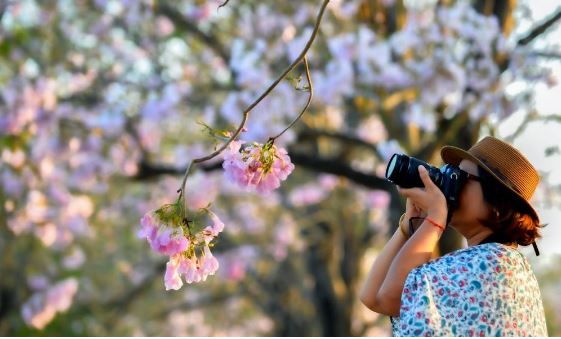
A photographer captures and creates images using a camera. Photography is both a science and an art, requiring technical skill and artistic vision. Photographers use their knowledge of light, composition, and perspective to create images that convey emotions, tell stories, or simply capture moments in time. They may work in a variety of settings, such as studios, events, nature, or commercial environments.
Photographers use a range of equipment and techniques to create their images. They may use traditional film cameras or modern digital cameras, as well as a variety of lenses and lighting equipment. They may also use post-processing software to edit and enhance their images. Photographers may specialize in a particular type of photography, such as portrait, landscape, fashion, or documentary, and may work independently or as part of a team. With the rise of social media and the increasing demand for visual content, the role of the photographer has become even more important in capturing and sharing images that inspire, inform, and connect people around the world.
Duties and Responsibilities
The duties and responsibilities of a photographer can vary depending on their specialization and the specific context of their work, but some common responsibilities include:
- Capturing Images: The primary responsibility of a photographer is to capture high-quality images that meet the needs and expectations of their clients or employers. This involves selecting appropriate camera settings, framing shots, and utilizing composition techniques to create visually appealing photographs.
- Preparing for Shoots: Photographers often spend time preparing for photo shoots by scouting locations, coordinating logistics, and planning shot lists. They may also prepare equipment, such as cameras, lenses, lighting, and props, to ensure they have everything they need to capture the desired images.
- Directing Subjects: In portrait, fashion, or commercial photography, photographers may be responsible for directing subjects and guiding them through poses and expressions to achieve the desired look and feel for the images. This involves providing clear instructions and feedback to help subjects feel comfortable and confident in front of the camera.
- Editing and Retouching: After capturing images, photographers typically edit and retouch their photos to enhance colors, adjust exposure, and remove imperfections. This may involve using editing software such as Adobe Photoshop or Lightroom to fine-tune images and ensure they meet the desired aesthetic standards.
- Managing Workflow: Photographers are often responsible for managing the workflow of their projects, which may include organizing and cataloging images, delivering final products to clients, and maintaining archives of digital files for future reference.
- Marketing and Promotion: Freelance photographers or those running their own photography businesses are responsible for marketing and promoting their services to attract clients and generate business. This may involve creating a portfolio of work, building a website, networking with potential clients, and utilizing social media and other marketing channels to showcase their work and attract new clients.
- Continuing Education: To stay current with industry trends and technologies, photographers often engage in continuing education and professional development activities. This may include attending workshops, conferences, or seminars, participating in online courses, and networking with other professionals in the field.
Types of Photographers
Photography is a diverse field, with a wide range of photographers specializing in different areas of the industry. Each specialization requires a unique set of skills, equipment, and techniques. Here are some of the most common types of photographers:
- Commercial Photographers: A commercial photographer specializes in creating high-quality images for commercial purposes, such as advertisements, marketing campaigns, and promotional materials. They work closely with clients to capture products, services, or concepts in visually compelling ways, often employing advanced techniques and creative skills to meet the specific needs of businesses and brands.
- Event Photographers: An event photographer is skilled in capturing candid moments and key highlights during various events, such as weddings, corporate gatherings, concerts, or conferences. They use their expertise in photography, lighting, and composition to document the atmosphere, emotions, and important moments, providing clients with lasting memories of their special occasions.
- Fine Art Photographers: A fine art photographer is an artist who uses photography as a medium to create expressive and visually captivating artworks. They focus on conveying emotions, concepts, or abstract ideas through carefully composed and creatively manipulated photographs, often pushing the boundaries of traditional photography to produce unique and thought-provoking pieces of art.
- Landscape Photographers: A landscape photographer specializes in capturing the natural beauty of landscapes, including mountains, forests, oceans, and other scenic vistas. They skillfully use composition, lighting, and timing to create breathtaking photographs that showcase the magnificence of nature, often conveying a sense of serenity and awe to the viewers.
- Portrait Photographers: A portrait photographer is specialized in capturing individuals, groups, or families in visually appealing and expressive photographs. They use their artistic skills, knowledge of lighting, and expertise in posing to create portraits that capture the unique personality and essence of their subjects.
- Sports Photographers: A sports photographer is dedicated to capturing dynamic and impactful images of sporting events, athletes, and sports-related activities. They excel in freezing crucial moments in sports, showcasing athletes' intensity, emotion, and the essence of the game, contributing significantly to sports journalism and visual storytelling.
- Stock Photographer: A stock photographer captures images that are licensed for use in advertising, media, websites, and publications. Their work is often sold through stock photography platforms, making it accessible to businesses, designers, and content creators.
- Wildlife Photographers: A wildlife photographer captures compelling images of animals, birds, and natural habitats in their natural environment. Armed with patience, expertise, and often high-quality equipment, these photographers document the beauty and behavior of wildlife, raising awareness about conservation and the delicate balance of nature through their stunning visual narratives.
Workplace of a Photographer
The workplace of a photographer can vary greatly depending on their specialization and the nature of their work. Many photographers operate in a dynamic and ever-changing environment, often moving between different locations and settings to capture images that meet their clients' needs and expectations. One common workplace for photographers is on location, where they may shoot portraits, events, landscapes, or commercial projects in outdoor or indoor settings. This could involve traveling to various destinations, scouting locations, and adapting to different lighting conditions and environmental factors to achieve the desired results.
Additionally, photographers may also work in studio settings, where they have more control over lighting, backgrounds, and other elements of the shoot. In a studio environment, photographers can set up equipment, props, and backdrops to create specific looks and styles for their images. This controlled environment allows for precise adjustments and experimentation with lighting techniques, posing, and composition to achieve the desired aesthetic for the photoshoot.
Furthermore, photographers who specialize in specific niches such as fashion, product, food, or architectural photography may have unique workplace environments tailored to their respective fields. For example, fashion photographers may work on location for editorial shoots or in studio settings for commercial campaigns, while architectural photographers may spend time photographing buildings and structures in urban or rural environments.
How to become a Photographer
Becoming a photographer involves a combination of education, practical experience, artistic talent, and entrepreneurial skills. Here's a guide to help you pursue a career as a photographer:
- Develop Your Photography Skills: Start by gaining a deep understanding of photography techniques, composition, lighting, and equipment. Practice regularly and experiment with different genres of photography to discover your interests and strengths.
- Obtain a Formal Education (Optional): While not mandatory, pursuing formal education in photography, such as a degree or diploma from a photography school or art institute, can provide you with structured learning, access to mentors, and opportunities to build a portfolio. Many community colleges and universities offer photography programs.
- Build Your Portfolio: Create a diverse and impressive portfolio showcasing your best work. Include a variety of styles and subjects to demonstrate your skills and versatility as a photographer. A strong portfolio is essential when applying for jobs or attracting clients.
- Invest in Quality Equipment: Invest in a professional-grade camera, lenses, lighting equipment, and editing software. Quality equipment is crucial for capturing high-resolution images and achieving professional results. Stay updated with the latest advancements in photography technology.
- Gain Practical Experience: Assist experienced photographers, intern, or work as a second shooter to gain practical experience. Real-world experience will expose you to different photography styles, client interactions, and industry practices. It's also an opportunity to build connections in the photography community.
- Specialize and Network: Consider specializing in a specific genre of photography such as portrait, wedding, fashion, commercial, or nature photography. Networking with other photographers, attending photography events, and joining professional associations like the Professional Photographers of America (PPA) can help you learn from others and gain exposure in the industry.
- Develop a Business Plan: If you intend to work as a freelance photographer or start your photography business, develop a business plan outlining your services, target audience, pricing, and marketing strategies. Register your business, obtain necessary licenses, and set up a professional website to showcase your portfolio and attract clients.
- Market Your Services: Market your photography services through social media, online platforms, local advertising, and collaborations. Building an online presence through a website and social media platforms like Instagram and Facebook is essential for reaching potential clients and showcasing your work.
- Provide Excellent Customer Service: Client satisfaction and positive word-of-mouth are vital in the photography industry. Provide exceptional customer service, deliver high-quality work, and meet deadlines. Happy clients are more likely to recommend your services to others.
- Continuous Learning and Improvement: Stay updated with photography trends, techniques, and software. Attend workshops, online courses, and photography seminars to enhance your skills. Continuous learning is essential for staying competitive in the evolving field of photography.
Certifications
There are various voluntary certifications and memberships offered by professional organizations that can enhance your credibility, provide networking opportunities, and demonstrate your commitment to professionalism and continuous learning. Here are a few certifications and organizations that photographers can consider:
- Professional Photographers of America (PPA): PPA offers the Certified Professional Photographer (CPP) certification, which is one of the leading certifications in the photography industry. To earn the CPP designation, photographers must pass a rigorous exam demonstrating their technical expertise and artistic skills. PPA also provides numerous educational resources and networking opportunities for photographers.
- Adobe Certified Expert (ACE): Adobe offers certification programs for its software products, including Photoshop and Lightroom. Becoming an Adobe Certified Expert showcases your proficiency in using these essential tools for photo editing and manipulation.
- National Association of Professional Child Photographers (NAPCP): NAPCP provides a membership for child photographers and offers a directory for parents looking for professional child photographers. While not a certification in the traditional sense, being a member can enhance your visibility within this niche market.
- Google Street View Trusted Photographer: For photographers interested in virtual tours and commercial photography, becoming a Google Street View Trusted Photographer allows you to create 360-degree virtual tours for businesses. Google provides training and certification for photographers to create and publish these tours on Google Maps.
- Wedding and Portrait Photographers International (WPPI): WPPI offers membership for wedding and portrait photographers, providing access to educational resources, industry news, and networking opportunities. While they do not provide a specific certification, WPPI membership can enhance your professional connections in the wedding and portrait photography community.
- Certification from Photography Schools: Many photography schools and institutions offer certifications or diplomas upon completing specific photography courses or programs. While these might not be widely recognized as industry standards, they can still demonstrate your commitment to education and skill development.
Skills needed for Photographer
A successful Photographer needs a combination of technical expertise, creativity, and interpersonal skills. Key skills include:
- Photography Techniques – Master camera settings, exposure, composition, and lighting.
- Creativity and Artistic Vision – Capture unique, visually compelling images that tell a story.
- Composition Skills – Apply framing, perspective, balance, and visual design principles effectively.
- Lighting Knowledge – Use natural and artificial lighting to create the desired mood and quality.
- Photo Editing – Proficiency with editing software such as Adobe Photoshop, Lightroom, or Capture One.
- Camera and Equipment Handling – Operate and maintain cameras, lenses, tripods, flashes, and other photography gear.
- Attention to Detail – Notice small elements that affect image quality, including focus, color, and background.
- Communication Skills – Understand client requirements and direct subjects effectively during shoots.
- Time Management – Meet deadlines while managing multiple photography sessions and editing projects.
- Patience – Wait for the perfect moment, especially in wildlife, sports, and nature photography.
- Problem-Solving Skills – Adapt quickly to changing weather, lighting conditions, or unexpected challenges.
- Customer Service – Build strong relationships with clients and deliver a positive experience.
- Business and Marketing Skills – Promote photography services, manage finances, and attract new clients.
- Adaptability – Work in diverse environments, from studios to outdoor locations and live events.
- Storytelling Ability – Create images that communicate emotions, ideas, or narratives.
- Technical Knowledge – Understand image formats, color management, printing, and digital workflows.
- Networking Skills – Build professional connections with clients, agencies, and creative professionals.
- Physical Stamina – Handle long shoots, travel, and carry heavy photography equipment when required.
- Continuous Learning – Stay updated with new camera technology, editing techniques, and photography trends.
Salary
The salary of a Photographer varies depending on experience, specialization, location, and whether they work as a freelancer or for an employer.
- Entry-level Photographer: $30,000–$45,000 per year
- Mid-level Photographer: $45,000–$70,000 per year
- Senior Photographer: $70,000–$100,000 per year
- Specialized/Commercial Photographer: $90,000–$150,000+ per year
Photographers specializing in areas such as fashion, advertising, commercial, sports, wedding, or wildlife photography may earn significantly more. Freelance photographers' incomes can vary widely based on their client base, reputation, location, and the number of projects they complete each year.







User's Comments
No comments there.