


Stories you may like
Furniture Designer
A furniture designer creates furniture that is both useful and visually appealing. They focus on how the furniture looks, feels, and works, making sure it is comfortable, durable, and attractive. Furniture designers choose materials like wood, metal, or fabric to make their designs and think about how people will use the items in everyday life.
Furniture designers also consider how their designs can be made. They work with manufacturers to make sure the designs can be produced easily and meet quality standards. They design furniture for differen
Duties and Responsibilities
The duties and responsibilities of a furniture designer can vary depending on their work setting and design focus, but here are some common tasks they may be responsible for:
- Research and Concept Development: Furniture designers explore current trends, customer preferences, and material innovations to develop ideas for new furniture pieces. They gather inspiration from art, architecture, and everyday life to create functional and attractive designs.
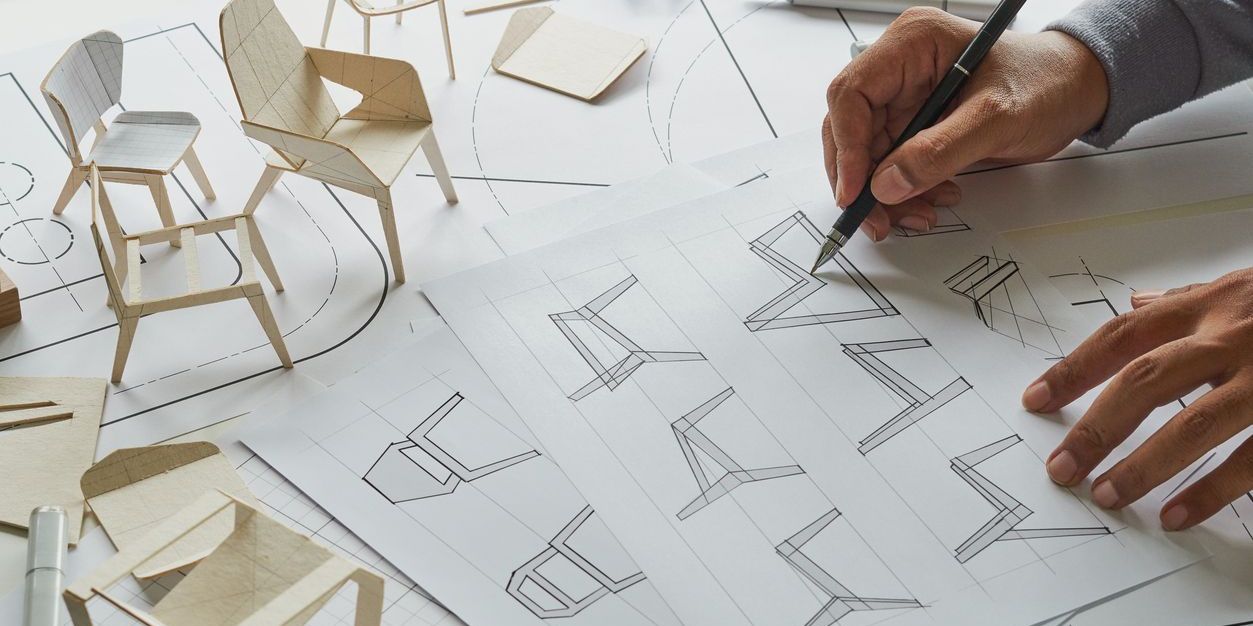
- Sketching and Modeling: They create detailed sketches, technical drawings, or 3D models of their furniture designs. This helps visualize how the piece will look and function before it is built.
- Material Selection: Furniture designers choose suitable materials like wood, metal, plastic, or fabric based on durability, style, and budget. They consider how each material affects the final product's appearance and usability.
- Prototype Creation: Many designers create prototypes or samples of their designs to test structure, comfort, and appearance. This stage helps identify any changes needed before full production.
- Collaboration and Production: Designers work closely with manufacturers, engineers, and craftspeople to ensure the design can be produced efficiently and meets safety and quality standards.
- Market Awareness: They stay up to date on design trends, sustainability practices, and consumer demands to keep their furniture designs relevant and appealing.
- Client Communication: Some furniture designers work directly with clients or interior designers to create custom pieces, adapting their designs to meet specific needs or spaces.
Types of Furniture Designers
There are several types of furniture designers, each specializing in different areas based on the function, setting, or style of furniture they create:
- Residential Furniture Designer: Focuses on creating furniture for homes, such as sofas, beds, dining tables, and storage units. Their work emphasizes comfort, aesthetics, and how well the pieces fit into everyday living spaces.
- Commercial Furniture Designer: Designs furniture for public or business environments like offices, hotels, restaurants, and hospitals. These pieces must be durable, functional, and often customizable to fit large-scale or specialized needs.
- Custom Furniture Designer: Works directly with clients to design one-of-a-kind pieces tailored to specific tastes, spaces, or functions. This type of designer often focuses on craftsmanship and high-end materials.
- Sustainable Furniture Designer: Specializes in creating environmentally friendly furniture using sustainable materials and production methods. They consider the entire lifecycle of the product, from sourcing to recycling.
- Outdoor Furniture Designer: Designs furniture that can withstand weather and outdoor conditions, such as patio chairs, garden benches, or poolside loungers. These pieces must be durable, water-resistant, and often lightweight.
- Ergonomic Furniture Designer: Focuses on creating furniture that supports comfort and health, especially for workplaces or people with special physical needs. Office chairs, desks, and supportive seating are common products in this category.
What is the workplace of a Furniture Designer like?
The workplace of a furniture designer can vary depending on their role and the type of company they work for. Many furniture designers spend time in design studios, where they sketch ideas, work on computer-aided design (CAD) software, and plan out the details of each piece. These studios are creative spaces that allow designers to focus on the visual and functional aspects of their work. Some designers may work independently or as part of a design team in a larger company.
In addition to studio work, furniture designers often visit manufacturing sites or workshops. This is where they can see how their designs are built and work closely with builders, engineers, or craftspeople. Being involved in the production process helps ensure that the furniture is made to their standards and functions as planned. They may also need to test materials, adjust designs, and solve problems that come up during production.
Some furniture designers also meet with clients, interior designers, or retailers to discuss new ideas or custom projects. This part of the job might take place in showrooms, offices, or even the client’s home or business. Whether working on custom pieces or designing for mass production, furniture designers need to balance creative work with practical collaboration to bring their ideas to life.
How to become a Furniture Designer
Becoming a furniture designer involves a mix of education, creativity, and hands-on experience. Here's a guide to help you pursue a career in this field:
- Educational Background: Start by earning a Bachelor’s Degree in Furniture Design, Industrial Design, Interior Design, or a related field. These programs teach design principles, drawing, 3D modeling, and material usage, along with technical skills such as CAD (computer-aided design) software. Some designers go on to pursue a Master’s Degree in Furniture Design or a related area to specialize further, expand their portfolio, or qualify for teaching and leadership roles.
- Gain Experience: While in school, build a strong portfolio of your designs and take advantage of internships or apprenticeships with furniture companies or design studios. This real-world experience helps you understand the design and production process and can lead to job opportunities after graduation.
- Develop Skills and Stay Current: Continue to improve your design, communication, and project management skills. Staying updated on trends in furniture, materials, and sustainability practices is also important. Some designers choose to take additional courses or attend workshops to specialize in areas like custom furniture or eco-friendly design. Building strong connections in the design community can also open doors to new projects and collaborations.
Certifications
While certifications are not always required to become a furniture designer, they can enhance your skills, credibility, and job prospects—especially if you want to specialize or stand out in the industry. Here are some relevant options:
- Certified Interior Designer (CID): Offered in some regions, this certification can be useful if your furniture design work overlaps with interior design projects. It shows that you meet professional standards in design, safety, and space planning.
- LEED Accreditation: If you're interested in sustainable furniture design, becoming a LEED (Leadership in Energy and Environmental Design) Accredited Professional can demonstrate your knowledge of green building practices and eco-friendly materials.
- AutoCAD or SketchUp Certification: Proficiency in design software is important in this field. Earning certifications in programs like AutoCAD, SketchUp, or Rhino shows employers or clients that you’re skilled in digital modeling and drafting.
- Furniture Society Membership or Workshops: While not formal certifications, joining organizations like The Furniture Society can connect you with professional development opportunities, advanced training, and a network of peers in the field.
- Entry-Level / Fresher: ₹1.5 to ₹4 Lakhs per year
- Mid-Level (3-8 years): ₹4.5 to ₹10 Lakhs per year
- Senior Level (10+ years): ₹12 Lakhs to ₹20+ Lakhs per year
- Modular Furniture Designer: ₹3 to ₹5 Lakhs per year
- Furniture Production Manager: ₹8 to ₹15 Lakhs per year
- Senior Furniture Designer: ₹4 to ₹10 Lakhs per year










User's Comments
No comments there.