


Stories you may like
Cardiovascular Technologist
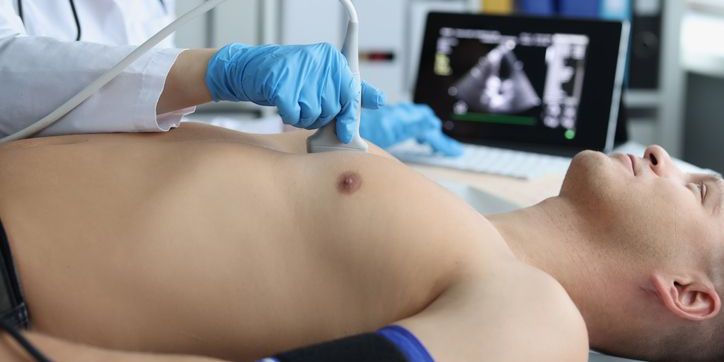
A cardiovascular technologist is responsible for conducting diagnostic tests and procedures related to the cardiovascular system. These technologists assist physicians in diagnosing and treating cardiovascular conditions. They typically operate advanced medical equipment, such as ultrasound machines and electrocardiogram (ECG) devices, to capture images and data that help in evaluating the heart and blood vessels.
Cardiovascular technologists perform echocardiograms, stress tests, and vascular testing to assess blood flow and identify potential issues within the cardiovascular system. They work closely with cardiologists and other medical professionals to analyze and interpret the test results, providing critical information for accurate diagnosis and treatment planning. The role of a cardiovascular technologist requires a strong understanding of cardiovascular anatomy and physiology, as well as proficiency in using specialized medical equipment to ensure precise and reliable diagnostic information.
Duties and Responsibilities
Cardiovascular technologists have diverse duties and responsibilities that revolve around performing diagnostic tests and procedures to assess the health of the cardiovascular system. Some key responsibilities include:
- Conducting Diagnostic Tests: Cardiovascular technologists are skilled in operating various medical equipment, such as ultrasound machines, electrocardiogram (ECG) devices, and stress testing equipment. They use these tools to perform diagnostic tests like echocardiograms, which capture images of the heart's structure and function.
- Patient Preparation: Before conducting tests, cardiovascular technologists ensure that patients are properly prepared. This may involve explaining procedures, obtaining medical histories, and addressing any concerns or questions the patients may have.
- Monitoring and Recording: During diagnostic procedures, technologists monitor patients' vital signs and record relevant data. This includes capturing and documenting images, measurements, and other information that will aid physicians in diagnosing cardiovascular conditions.
- Collaboration with Healthcare Professionals: Cardiovascular technologists work closely with cardiologists, physicians, and other healthcare professionals. They communicate effectively to discuss patient cases, provide additional information, and ensure a comprehensive understanding of test results.
- Quality Assurance: Technologists are responsible for maintaining the accuracy and quality of diagnostic tests. This includes performing routine equipment maintenance, calibrations, and adhering to established protocols and guidelines to ensure reliable results.
- Patient Education: Cardiovascular technologists often educate patients about the diagnostic procedures, helping them understand what to expect and addressing any concerns. This contributes to a positive patient experience and cooperation during tests.
- Data Analysis and Reporting: After conducting tests, technologists analyze the collected data and generate detailed reports for physicians. Clear and accurate documentation is essential for the proper diagnosis and development of treatment plans.
Types of Cardiovascular Technologists
Cardiovascular technologists specialize in various areas within the field, each focusing on specific diagnostic procedures related to the cardiovascular system. Here are some common types of cardiovascular technologists:
- Cardiac Sonographers (Echocardiographers): These technologists specialize in performing echocardiograms, which use ultrasound technology to create images of the heart's chambers, valves, and blood vessels. They play a crucial role in assessing heart function and identifying abnormalities.
- Vascular Technologists: Vascular technologists focus on the blood vessels outside the heart, including arteries and veins. They perform non-invasive tests such as vascular ultrasound to evaluate blood flow, detect blockages, and identify vascular conditions.
- Electrocardiogram (ECG) Technologists: ECG technologists specialize in recording and interpreting electrocardiograms, which measure the electrical activity of the heart. They play a key role in diagnosing various heart conditions, including arrhythmias and heart attacks.
- Invasive Cardiovascular Technologists: Also known as cardiovascular invasive specialists or cath lab technologists, these professionals assist cardiologists during invasive procedures such as cardiac catheterizations. They help insert catheters, guide wires, and other instruments to diagnose and treat cardiovascular diseases.
- Cardiographic Technologists: These technologists perform a range of cardiovascular tests, including stress tests and Holter monitoring. They monitor patients during exercise or stress to assess the heart's response, helping in the diagnosis of heart conditions.
- Nuclear Medicine Technologists: Nuclear medicine technologists within cardiology focus on using radioactive materials to create images of the heart and assess its function. This may involve procedures like myocardial perfusion imaging to evaluate blood flow to the heart muscle.
- Pediatric Cardiovascular Technologists: Specializing in pediatric cardiology, these technologists work with children to perform diagnostic tests related to heart conditions. They require specialized skills in dealing with pediatric patients and adapting diagnostic techniques to their unique needs.
- Cardiac MRI Technologists: These technologists operate magnetic resonance imaging (MRI) machines to create detailed images of the heart's structure and function. Cardiac MRI is particularly useful for assessing cardiac anatomy and identifying certain cardiovascular conditions.
What is the workplace of a Cardiovascular Technologist like?
Cardiovascular technologists work in a variety of healthcare settings, providing essential diagnostic services related to the cardiovascular system. The workplace environment for these professionals is typically found in hospitals, clinics, imaging centers, and cardiovascular laboratories. The nature of their work involves close collaboration with other healthcare professionals, particularly cardiologists, and a commitment to patient care.
In hospitals, cardiovascular technologists often work in cardiac catheterization labs, echocardiography labs, and stress testing units. These environments are equipped with advanced medical technology, including ultrasound machines, electrocardiogram (ECG) devices, and other diagnostic equipment. The fast-paced nature of a hospital setting requires cardiovascular technologists to efficiently perform diagnostic procedures, work with diverse patient populations, and adapt to urgent situations, such as assisting in emergency cardiac interventions.
Cardiovascular technologists employed in outpatient clinics or imaging centers may have a slightly different work atmosphere. These settings often offer a more controlled and scheduled environment, allowing technologists to focus on conducting a variety of diagnostic tests, including echocardiograms, vascular ultrasounds, and stress tests. The pace may be somewhat less hectic than in a hospital, providing technologists with the opportunity to build relationships with patients and ensure a comfortable and reassuring experience during procedures.
The work of cardiovascular technologists involves both direct patient interaction and behind-the-scenes tasks. Patient communication and education are essential aspects of the job, as technologists explain procedures, address concerns, and ensure that individuals are prepared for diagnostic tests. Additionally, cardiovascular technologists collaborate with physicians and other healthcare professionals to analyze test results, contribute to accurate diagnoses, and formulate treatment plans for patients with cardiovascular conditions.
How to become a Cardiovascular Technologist
Becoming a cardiovascular technologist involves a combination of education, clinical training, and certification. Here is a guide on how to pursue a career in this field:
- Educational Requirements: Obtain a high school diploma or equivalent. Focus on courses in biology, anatomy, mathematics, and physics to build a strong foundation for further studies. Enroll in an accredited cardiovascular technology program. These programs are often available at community colleges, technical schools, or universities. Look for programs accredited by organizations like the Commission on Accreditation of Allied Health Education Programs (CAAHEP) or the Joint Review Committee on Education in Cardiovascular Technology (JRC-CVT).
- Choose a Specialization (Optional): Cardiovascular technology programs may offer specializations such as echocardiography, vascular technology, or invasive cardiology. Consider your interests and career goals when selecting a specialization.
- Complete Educational Requirements: Successfully complete the required coursework and clinical training as part of the cardiovascular technology program. This includes classroom instruction, laboratory work, and hands-on experience in clinical settings.
- Gain Clinical Experience: Participate in clinical rotations or internships as part of your program. This practical experience allows you to apply theoretical knowledge in real healthcare settings and develop the necessary skills for the profession.
- Earn a Degree: Depending on the program, you may earn a certificate or an Associate Degree in Cardiovascular Technology upon successful completion. Some individuals may choose to pursue a bachelor's degree for additional career opportunities or advancement.
- Optional Certification: While certification is not always required, obtaining a professional credential can enhance your career prospects. The Cardiovascular Credentialing International (CCI) and the American Registry for Diagnostic Medical Sonography (ARDMS) offer certifications for cardiovascular technologists. Eligibility criteria typically include completing an accredited program and passing an examination.
- Job Search and Licensure: Look for job opportunities in hospitals, clinics, imaging centers, and other healthcare facilities. Some states may require licensure or have specific regulations for cardiovascular technologists, so be sure to check and fulfill any licensing requirements.
Certifications
Certifications are valuable credentials for cardiovascular technologists, as they demonstrate a commitment to professionalism and competency in the field. Here are some prominent certifications for cardiovascular technologists:
- Registered Cardiovascular Invasive Specialist (RCIS): Offered by the Cardiovascular Credentialing International (CCI), the RCIS certification is designed for cardiovascular technologists specializing in invasive procedures, particularly those working in cardiac catheterization labs.
- Registered Vascular Technologist (RVT): The RVT certification, also provided by CCI, is for vascular technologists. This credential is suitable for professionals who focus on non-invasive vascular testing, including ultrasound examinations of blood vessels.
- Registered Cardiac Sonographer (RCS): Another certification from CCI, the RCS is specifically for cardiac sonographers or echocardiographers. It validates expertise in performing and interpreting echocardiograms.
- Registered Congenital Cardiac Sonographer (RCCS): Also administered by CCI, the RCCS certification is for cardiac sonographers specializing in congenital heart defects. This credential is particularly relevant for those working with pediatric patients or in congenital heart centers.
- Registered Phlebology Sonographer (RPhS): The RPhS certification, offered by the American Registry for Diagnostic Medical Sonography (ARDMS), is for sonographers who focus on venous testing, including the assessment of venous insufficiency and deep vein thrombosis.
- Registered Physician in Vascular Interpretation (RPVI): ARDMS offers the RPVI certification for professionals involved in the interpretation of vascular studies. This certification is often pursued by vascular technologists and physicians with a focus on vascular medicine.










User's Comments
No comments there.