


Stories you may like
Veterinary Assistant
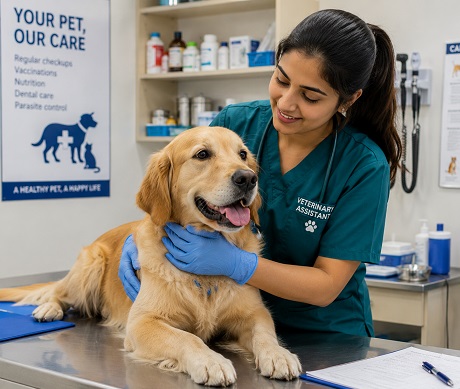
A veterinary assistant is a vital member of the veterinary healthcare team, providing support and assistance to veterinarians and veterinary technicians. They are responsible for various tasks involved in animal care and clinic operations.
Veterinary assistants assist with handling and restraining animals, preparing equipment and supplies for procedures, and maintaining clean and organized treatment areas. They may also administer medications, perform basic laboratory tests, and assist with diagnostic procedures. Additionally, veterinary assistants interact with pet owners, scheduling appointments, providing information about animal care, and ensuring a positive experience for both the animals and their owners. Their role is crucial in maintaining the overall functioning of the veterinary clinic or hospital and contributing to the well-being of the animals under their care.
Veterinary assistants provide comfort and safety to animals, assist with procedures and treatments, communicate with clients, and help maintain a clean and organized environment. Their dedication and assistance allow the veterinary team to focus on diagnosing, treating, and providing medical care to animals, ultimately contributing to the health, welfare, and recovery of the animals under their care.
Duties and Responsibilities
Here are some duties and responsibilities commonly performed by veterinary assistants:
- Animal Handling: Veterinary assistants are responsible for safely and gently handling animals during examinations, treatments, and procedures. They may assist with restraining animals, ensuring their comfort and safety while minimizing stress and discomfort.
- Clinic Maintenance: Veterinary assistants help maintain a clean and sanitary clinic environment. This includes cleaning and disinfecting exam rooms, cages, kennels, and other areas. They also assist with laundry, waste disposal, and general upkeep of the facility.
- Patient Care: Veterinary assistants provide basic care for animals under the supervision of a veterinarian or veterinary technician. They may assist with feeding, walking, and providing medication to animals. They also observe and report any changes in behavior, appetite, or overall condition.
- Assisting in Procedures: Veterinary assistants assist during various procedures, such as vaccinations, wound dressings, and sample collection. They prepare equipment and supplies, assist with anesthesia monitoring, and ensure the proper handling and labeling of samples.
- Client Communication: Veterinary assistants interact with pet owners, answering basic questions about pet care, scheduling appointments, and providing general information about veterinary services. They may also assist with billing, record-keeping, and other administrative tasks.
- Laboratory and Pharmacy Support: Veterinary assistants may assist with basic laboratory tests, such as running blood work or preparing samples for analysis. They also help maintain inventory and stock supplies in the pharmacy, ensuring medications and supplies are readily available.
- Emergency Assistance: In emergency situations, veterinary assistants play a crucial role in providing immediate assistance. This can include helping to stabilize animals, preparing emergency equipment, and assisting with transportation to the veterinary clinic.
- Animal Restraint and X-ray Assistance: Veterinary assistants are trained in proper animal restraint techniques, assisting veterinarians or technicians during radiography (x-ray) procedures. They help position animals for imaging and ensure their safety during the process.
- Client Education: Veterinary assistants provide basic information to pet owners about preventive care, nutrition, and general health. They may explain post-operative care instructions or assist with the distribution of educational materials.
Types of Veterinary Assistants
There are various types of veterinary assistants based on their specialization or the specific area of veterinary medicine they work in. Here are some common types of veterinary assistants:
- Small Animal Veterinary Assistant: These assistants primarily work in veterinary clinics or hospitals that focus on treating and caring for small companion animals, such as dogs, cats, and rabbits. They assist with routine examinations, vaccinations, sample collection, and general patient care.
- Large Animal Veterinary Assistant: Large animal veterinary assistants work with veterinarians who specialize in treating and caring for large animals, such as horses, cows, pigs, and sheep. They assist with handling and restraining large animals during examinations, surgeries, and treatments. They may also help with farm visits, assist in reproductive procedures, and provide general care for livestock.
- Exotic Animal Veterinary Assistant: Exotic animal veterinary assistants work in clinics or wildlife rehabilitation centers that specialize in exotic and non-traditional pets, such as reptiles, birds, and small mammals. They assist veterinarians in handling and caring for these unique species, including performing husbandry tasks, assisting in diagnostic procedures, and providing specialized care.
- Laboratory Animal Veterinary Assistant: Laboratory animal veterinary assistants work in research institutions or facilities that conduct animal studies. They provide care for laboratory animals, maintain animal housing facilities, and assist with procedures and experiments as directed by the research team. They follow strict protocols to ensure the well-being and humane treatment of the animals involved in research.
- Emergency and Critical Care Veterinary Assistant: These assistants work in veterinary emergency clinics or critical care units. They provide support during emergency situations, help stabilize patients, assist with triage, monitor vital signs, and provide immediate care under the guidance of a veterinarian or veterinary technician.
- Veterinary Surgical Assistant: Veterinary surgical assistants work closely with veterinarians during surgical procedures. They prepare the surgical suite, sterilize equipment, assist in patient preparation, monitor anesthesia, and provide assistance during surgery. They are responsible for maintaining a sterile environment and ensuring the smooth flow of surgical procedures.
- Shelter or Rescue Veterinary Assistant: Veterinary assistants working in animal shelters or rescue organizations provide care for animals that are awaiting adoption or in need of medical attention. They assist with vaccinations, microchipping, spaying/neutering procedures, and overall animal welfare. They may also assist with behavioral assessments, rehabilitation, and finding suitable homes for the animals.
Workplace of a Veterinary Assistant
The workplace of a veterinary assistant can vary depending on the type of veterinary facility they work in. Veterinary assistants can be employed in veterinary clinics, animal hospitals, animal shelters, research institutions, or even mobile veterinary units. These environments are typically fast-paced and dynamic, filled with a variety of animal patients and their owners seeking veterinary care.
In a veterinary clinic or hospital, veterinary assistants work closely with the veterinary team in examination rooms, treatment areas, and surgical suites. They assist in restraining and handling animals during examinations and procedures, prepare equipment and supplies, and provide support to veterinarians and veterinary technicians during treatments and surgeries. They also help with patient admission and discharge, providing guidance and instructions to pet owners regarding post-care instructions or medication administration.
In animal shelters, veterinary assistants are responsible for providing care to animals awaiting adoption. They assist with vaccinations, feeding, cleaning, and socialization efforts to ensure the animals' well-being during their stay at the shelter. They may also assist with basic medical procedures, such as spaying/neutering and administering medications.
Research institutions employ veterinary assistants in laboratory settings, where they may participate in animal studies or experiments. They work closely with researchers, assisting in the care and handling of animals involved in research projects. They help maintain proper housing conditions, provide husbandry support, and collect samples for laboratory testing.
Regardless of the specific workplace, veterinary assistants can expect a hands-on and animal-focused environment. They work closely with animals, providing comfort and care while following established protocols and safety measures. The workplace may involve a combination of administrative tasks, animal handling, patient monitoring, and collaboration with the veterinary team to ensure the highest level of care for animals in need.
How to become a Veterinary Assistant
Becoming a veterinary assistant typically does not require extensive formal education, but having a high school diploma or equivalent is generally preferred. Here is a detailed overview of the steps to become a veterinary assistant:
- Research the Role: Start by learning about the duties and responsibilities of veterinary assistants. Gain an understanding of the skills and qualities required for the role, as well as the potential work environments and career prospects.
- Gain Relevant Experience: Look for opportunities to gain experience working with animals. Volunteer at animal shelters, clinics, or veterinary offices to learn about animal care, handling, and basic veterinary procedures. This experience will provide valuable insights into the field and help you determine if it's the right career path for you.
- Pursue Veterinary Assistant Programs: Although not always mandatory, completing a veterinary assistant program can enhance your knowledge and improve your job prospects. Look for accredited programs offered by community colleges, vocational schools, or online platforms. These programs typically cover topics such as animal anatomy, medical terminology, veterinary procedures, and office administration.
- Consider Certification: While certification is not always required, obtaining a certification as a veterinary assistant can demonstrate your dedication and commitment to the profession (see below).
- Apply for Entry-Level Positions: Begin applying for veterinary assistant positions once you have completed your education or gained sufficient experience. Look for job openings in veterinary clinics, animal hospitals, research facilities, or animal shelters. Tailor your resume to highlight your relevant experience, skills, and any certifications you have obtained.
- On-the-Job Training: Once hired, you will likely receive on-the-job training from experienced veterinary professionals. This training will familiarize you with clinic protocols, animal handling techniques, record keeping, and other essential aspects of the job. Take advantage of this training period to learn as much as possible and ask questions.
- Continuous Learning and Professional Development: As a veterinary assistant, it's important to stay updated on advancements in the field. Attend workshops, seminars, and conferences to expand your knowledge and skills. Consider pursuing further education or certification opportunities, such as becoming a certified veterinary assistant (CVA) through NAVTA, to enhance your professional growth.
Certifications
In the United States, there are several certifications available for veterinary assistants that can help enhance their credentials and demonstrate their knowledge and skills. Some of the certifications recognized in the veterinary field include:
- Approved Veterinary Assistant (AVA): Offered by the National Association of Veterinary Technicians in America (NAVTA), the AVA certification is widely recognized and demonstrates proficiency in essential knowledge and skills for veterinary assistants. To be eligible for the AVA certification, candidates must complete an approved veterinary assistant program and pass the AVA examination.
- Certified Veterinary Assistant (CVA): The Certified Veterinary Assistant program is administered by the Texas Veterinary Medical Association (TVMA). This certification requires candidates to complete a veterinary assistant training program and pass the CVA examination. The CVA certification provides recognition for individuals who have attained a high level of competence in veterinary assisting.
- Veterinary Assistant Certification (VAC): Offered by the Animal Behavior College, the VAC program provides comprehensive training for veterinary assistants. It covers topics such as animal anatomy, medical terminology, clinical procedures, and client communication. Graduates of the VAC program can take the certification examination to earn the VAC credential.
- State-Specific Certifications: Some states may have their own certification programs for veterinary assistants. These certifications may have specific requirements and regulations unique to the state. It's important to research the requirements of your specific state to determine if any state-specific certifications are available.
Skills Needed for a Veterinary Assistant
Technical Skills
- Animal Handling: Safely restraining and handling dogs, cats, and other animals during examinations and procedures.
- Basic Animal Care: Feeding, bathing, exercising, and monitoring animals under veterinary supervision.
- Patient Monitoring: Observing vital signs, behavior, appetite, breathing, and general health.
- Medical Assistance: Preparing animals, equipment, and treatment areas for veterinary examinations and procedures.
- Medication Support: Preparing and administering medications when permitted and under appropriate veterinary supervision.
- First Aid: Knowledge of basic first aid and emergency procedures for animals.
- Laboratory Skills: Collecting and handling samples such as blood, urine, and feces and preparing them for testing.
- Surgical Assistance: Preparing surgical areas, sterilizing equipment, and assisting the veterinary team during procedures.
- Animal Hygiene: Maintaining clean kennels, cages, examination rooms, and equipment.
- Record Keeping: Maintaining accurate patient records, treatment notes, vaccination information, and appointment details.
Soft Skills
- Compassion and Empathy: Showing patience and kindness toward animals and their owners.
- Communication Skills: Clearly communicating with veterinarians, veterinary nurses, coworkers, and pet owners.
- Attention to Detail: Carefully observing animals and following treatment instructions.
- Patience: Remaining calm when handling frightened, injured, or aggressive animals.
- Teamwork: Working effectively with veterinarians and other veterinary staff.
- Problem-Solving: Responding appropriately to unexpected changes in an animal's condition.
- Time Management: Managing multiple animals, appointments, and tasks efficiently.
- Emotional Resilience: Handling stressful situations, emergencies, and difficult outcomes professionally.
Additional Skills
- Computer Skills: Using veterinary practice-management software and maintaining digital records.
- Customer Service: Helping pet owners understand appointments, basic care instructions, and clinic procedures.
- Safety Awareness: Following infection-control, animal-handling, chemical-safety, and workplace-safety procedures.
- Knowledge of Animal Behavior: Recognizing signs of fear, stress, aggression, pain, and discomfort.
- Basic Nutrition Knowledge: Understanding general nutritional needs of different animals and following veterinary recommendations.
Veterinary Assistant Salary
A veterinary assistant's salary varies depending on country, experience, qualifications, workplace, location, and type of veterinary clinic.
India
- Entry-level: ₹10,000 – ₹18,000 per month
- Experienced: ₹18,000 – ₹30,000 per month
- Senior Veterinary Assistant: ₹30,000 – ₹45,000+ per month
- Specialized/Experienced Professionals: ₹40,000 – ₹60,000+ per month
Salary in Other Countries
- USA: $30,000 – $45,000+ per year
- UK: £20,000 – £28,000+ per year
- Canada: CAD 30,000 – CAD 45,000+ per year
- Australia: AUD 45,000 – AUD 60,000+ per year
- UAE: AED 30,000 – AED 60,000+ per year
- Singapore: SGD 24,000 – SGD 40,000+ per year











User's Comments
No comments there.