


Stories you may like
Electrical Technician
An electrical technician installs, maintains, and repairs electrical systems and equipment. These professionals work hands-on with electrical components used in homes, businesses, factories, or power plants, ensuring that everything is functioning properly and safely. They are skilled in troubleshooting issues with wiring, electrical panels, and machinery, and may also perform routine inspections and tests to prevent future problems.
Electrical technicians focus on the practical, technical aspects of electrical work, such as wiring buildings, setting up electrical systems, and replacing faulty components. They use a variety of tools and testing equipment to identify problems and make repairs. Safety is a key part of their role, as they follow industry standards and regulations to avoid hazards when working with electricity.
Duties and Responsibilities
Electrical technicians are responsible for installing, maintaining, and repairing electrical systems in a variety of settings. Here are some key duties and responsibilities:
- Install Electrical Systems: Electrical technicians install wiring, outlets, and electrical panels for residential, commercial, and industrial buildings. They follow blueprints and technical diagrams to ensure proper installation.
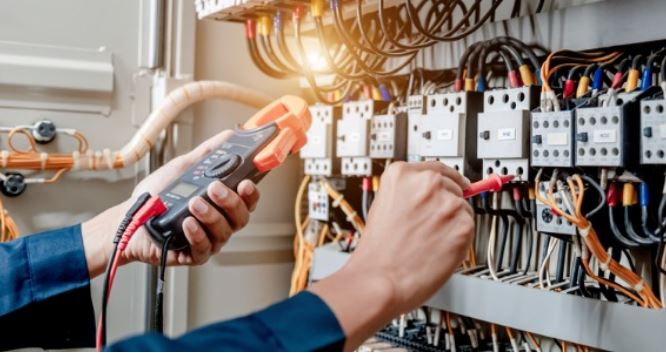
- Inspect and Test Electrical Systems: Technicians perform routine inspections and testing of electrical systems to identify potential problems. They use specialized equipment, like multimeters and circuit testers, to check for faults or safety hazards.
- Troubleshoot Electrical Issues: When electrical systems malfunction, electrical technicians diagnose the problem and determine the best solution. This may involve repairing or replacing faulty components, such as switches, breakers, or wiring.
- Maintain Equipment: Technicians are responsible for the ongoing maintenance of electrical equipment and systems, ensuring they function smoothly and efficiently. This includes performing regular checks and preventive maintenance.
- Ensure Compliance with Codes and Standards: Electrical technicians ensure that all installations and repairs meet local building codes and electrical safety standards. They are familiar with safety procedures and regulations to ensure safe working conditions.
- Document Work and Provide Reports: Electrical technicians keep detailed records of their work, including repairs, inspections, and maintenance activities. They may also provide reports to supervisors or clients about the status of electrical systems.
Types of Electrical Technicians
There are several types of electrical technicians, each specializing in different aspects of electrical systems and equipment. Here are some common types:
- Residential Electrical Technician: These technicians specialize in installing and repairing electrical systems in residential homes. Their tasks involve wiring, installing electrical outlets, and ensuring the electrical systems in homes are up to code.
- Commercial Electrical Technician: These technicians focus on the electrical systems in commercial buildings such as office spaces, schools, and stores. They install, maintain, and troubleshoot electrical systems, ensuring that everything works safely and efficiently in larger buildings.
- Industrial Electrical Technician: These professionals work in factories and manufacturing facilities. They are responsible for installing, maintaining, and repairing electrical equipment and systems that power machinery and production lines.
- Electrical Maintenance Technician: These technicians work on the regular maintenance of electrical systems across a variety of settings, from factories to office buildings. They troubleshoot problems, replace outdated parts, and ensure that electrical systems function smoothly.
- Control Systems Technician: Specializing in control systems that manage electrical devices in automated environments, these technicians install and maintain equipment used in factories and other industrial settings. They often work with sensors, controllers, and relays.
- Instrumentation Technician: These technicians work with instruments that monitor and control electrical systems. They calibrate and maintain various instruments in industries such as manufacturing, oil, and gas to ensure accuracy in readings and proper system function.
Workplace of an Electrical Technician
The workplace of an electrical technician can vary depending on the type of work they are doing. They might be found in industrial plants, construction sites, commercial buildings, or residential properties. In these environments, they may work indoors or outdoors, sometimes in confined spaces, such as crawl spaces or attics, depending on the job. Electrical technicians need to be prepared to work in various conditions, such as dealing with hazardous environments or working at heights when repairing or installing systems.
In addition to being on-site, electrical technicians often work with blueprints or technical manuals to understand the systems they are installing or repairing. They also use specialized tools and diagnostic equipment to troubleshoot electrical problems and ensure the systems are functioning correctly. While some electrical technicians work independently, others may work as part of a team, collaborating with other technicians or contractors to complete large-scale projects.
Safety is a top priority for electrical technicians due to the risk of electrical hazards. As such, their workspaces are often equipped with protective gear, including gloves, goggles, and safety footwear. Worksites may also be subject to strict safety protocols to ensure that technicians are working in a safe environment, especially when handling high-voltage systems.
How to become an Electrical Technician
To become an electrical technician, you typically need to follow these steps:
- Obtain a High School Diploma: Start by completing high school or obtaining a GED. It is helpful to take courses in math, physics, and computer science as they provide a solid foundation for electrical work.
- Complete a Postsecondary Program: Enroll in a formal training program, such as a Certificate or Associate Degree in Electrical Technology. These programs, often offered at technical schools or community colleges, teach essential skills such as circuit theory, wiring, and electrical systems.
- Gain Hands-On Experience: Many programs include internships or hands-on training in the field, allowing you to gain practical experience under the guidance of experienced professionals. This helps to develop your skills and familiarize you with real-world electrical systems.
- Consider Certification: While certification is not always required, obtaining certifications such as those from recognized organizations like the National Institute for Certification in Engineering Technologies (NICET) can improve your job prospects and demonstrate your expertise to employers.
- Seek Employment: After completing your education and training, you can begin seeking employment as an electrical technician. Many technicians start in entry-level positions and gain experience over time to advance in the field.
Skills Needed For Electrical Technician
An electrical technician needs a mix of technical expertise, practical ability, and workplace skills. Here are some key skills:
Technical Skills
- Reading and interpreting electrical diagrams and blueprints
- Installing, maintaining, and repairing electrical systems
- Wiring and cable termination
- Troubleshooting electrical faults
- Testing electrical equipment using multimeters, clamp meters, and insulation testers
- Knowledge of electrical circuits, motors, transformers, and control systems
- Understanding of PLCs (Programmable Logic Controllers) and automation systems
- Preventive and corrective maintenance
- Knowledge of electrical codes, standards, and regulations
- Basic computer skills for diagnostics and documentation
Safety Skills
- Electrical safety procedures and lockout/tagout (LOTO)
- Hazard identification and risk assessment
- Safe use of personal protective equipment (PPE)
- Fire prevention and emergency response
- First aid and CPR (an advantage)
Practical Skills
- Use of hand and power tools
- Soldering and cable jointing
- Equipment installation and calibration
- Mechanical aptitude
- Attention to detail
Soft Skills
- Problem-solving and analytical thinking
- Communication skills
- Teamwork and collaboration
- Time management
- Adaptability and willingness to learn
- Customer service skills (for field technicians)
Additional Skills (Preferred by Employers)
- HVAC electrical systems knowledge
- Renewable energy systems (solar and wind)
- Variable Frequency Drives (VFDs)
- Industrial automation and instrumentation
- Microsoft Office and maintenance management software (CMMS)
Electrical Technician Salary
Salary varies by country, experience, industry, and specialization.
India
- Entry-level: ₹15,000–₹25,000 per month
- 1–3 years’ experience: ₹20,000–₹35,000 per month
- 3–7 years’ experience: ₹30,000–₹50,000 per month
- Senior/Industrial Electrical Technician: ₹40,000–₹70,000+ per month
- Highly skilled specialists: ₹60,000–₹1,00,000+ per month
Factors That Increase Salary
- Industrial automation and PLC skills
- Electrical maintenance experience
- VFD and motor-control expertise
- Knowledge of solar/renewable-energy systems
- Strong troubleshooting skills
- Safety certifications
- Experience in manufacturing, power, oil & gas, or large industrial facilities











User's Comments
No comments there.