


Stories you may like
AI Instructional Designer
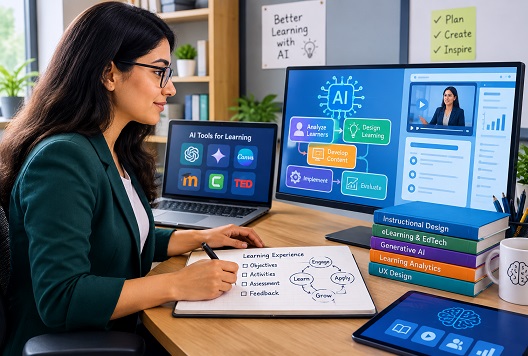
An AI instructional designer creates learning materials, courses, and training programs that help people understand and use artificial intelligence technologies. They combine knowledge of education, learning theory, and AI to develop content for students, employees, or organizations. This might include online courses, interactive tutorials, workshops, videos, and assessments that teach topics such as machine learning, generative AI, prompt engineering, or responsible AI use.
AI instructional designers work in schools, universities, training companies, corporations, and technology organizations. Their goal is to make complex AI concepts easy to understand and engaging for different audiences. Important qualities for this role include strong communication skills, creativity, attention to detail, and an interest in both technology and education. They also need the ability to organize information clearly and design learning experiences that help people build practical AI skills.
Duties and Responsibilities
An AI instructional designer has a range of duties and responsibilities focused on creating effective learning experiences that help people understand and use artificial intelligence technologies.
- Curriculum Development: Design and develop courses, training programs, and learning pathways related to AI topics such as machine learning, generative AI, prompt engineering, data analytics, and responsible AI. Ensure content is organized, engaging, and aligned with learning objectives.
- Instructional Content Creation: Create educational materials including lesson plans, presentations, videos, e-learning modules, assessments, job aids, and interactive activities. Adapt content for different audiences, from beginners to advanced learners.
- Learning Experience Design: Apply instructional design principles and learning theories to create effective and engaging training experiences. Structure content in ways that improve understanding, retention, and practical application of AI concepts.
- Collaboration with Subject Matter Experts: Work closely with AI specialists, engineers, educators, and business stakeholders to ensure training materials are accurate, current, and relevant to industry needs.
- Assessment and Evaluation: Develop quizzes, tests, projects, and other assessment tools to measure learner progress and understanding. Analyze feedback and performance data to improve training programs and learning outcomes.
- Training Technology Integration: Use learning management systems (LMS), e-learning authoring tools, and AI-powered educational technologies to deliver and manage training programs. Stay current with emerging AI tools and incorporate them into learning experiences when appropriate.
Types of AI Instructional Designers
There are several types of AI instructional designers, each specializing in different learning environments, audiences, and AI applications.
- Corporate AI Instructional Designer: Develops training programs that help employees understand and use AI tools, automation systems, and AI-powered business applications in the workplace.
- Higher Education AI Instructional Designer: Creates AI-related courses, online learning materials, and curriculum resources for colleges, universities, and academic institutions.
- E-Learning AI Instructional Designer: Designs digital learning experiences such as self-paced online courses, interactive tutorials, virtual labs, and multimedia training programs focused on AI topics.
- Generative AI Learning Designer: Specializes in creating training content for generative AI technologies, including prompt engineering, large language models, AI assistants, and content generation tools.
- Technical AI Training Designer: Develops advanced educational materials for technical audiences such as software developers, data scientists, machine learning engineers, and IT professionals.
- AI Adoption and Change Management Designer: Creates training programs that help organizations successfully implement AI technologies by teaching employees how to use new tools, workflows, and AI-driven processes.
Workplace of an AI Instructional Designer
The workplace of an AI instructional designer is typically a combination of office-based and remote work environments where they use computers and digital learning tools to create educational content. They spend much of their time designing courses, developing training materials, researching AI technologies, and using learning management systems and e-learning platforms. Many work for educational institutions, technology companies, corporate training departments, consulting firms, or online learning organizations.
AI instructional designers often collaborate with a variety of professionals, including AI specialists, software developers, educators, subject matter experts, project managers, and business leaders. Regular meetings and discussions help ensure that learning materials are accurate, engaging, and aligned with organizational goals. Strong communication and teamwork skills are important because projects often involve input from multiple stakeholders.
The work is usually project-based and involves balancing creativity with technical accuracy. AI instructional designers may spend time developing course content, creating assessments, testing learning experiences, analyzing learner feedback, and updating materials as AI technologies evolve. The role offers opportunities for continuous learning, as new AI tools, applications, and best practices regularly emerge.
How to become an AI Instructional Designer
Becoming an AI instructional designer requires a combination of education, instructional design expertise, technology skills, and an understanding of artificial intelligence. Here’s a guide on how to pursue a career as an AI instructional designer:
- Earn a Relevant Degree: Start by obtaining a Bachelor's Degree in Instructional Technology, Curriculum and Instruction, Education, Communications, Computer Science, or a related field. Some employers may prefer candidates with advanced degrees in education, instructional technology, or learning design.
- Learn Instructional Design Principles: Develop a strong understanding of learning theories, curriculum development, course design, assessment creation, and adult learning principles. Become familiar with instructional design models such as ADDIE and other learning frameworks.
- Build AI Knowledge and Skills: Learn the fundamentals of artificial intelligence, including machine learning, generative AI, prompt engineering, and responsible AI practices. Understanding how AI technologies work will help you create accurate and effective learning materials.
- Gain Experience with Learning Technologies: Become proficient with learning management systems (LMS), e-learning authoring tools, multimedia content creation software, and AI-powered educational technologies. Experience with platforms such as Articulate 360, Adobe Captivate, and modern AI tools can be valuable.
- Create a Portfolio of Learning Projects: Build a portfolio showcasing courses, training programs, e-learning modules, and AI-related educational content you have designed. Employers often look for practical examples that demonstrate both instructional design and technology skills.
- Stay Current with AI and Learning Trends: Artificial intelligence and educational technology continue to evolve rapidly. Regularly participate in professional development, industry conferences, online courses, and certification programs to keep your knowledge and skills up to date.
Certifications
Certifications can help AI instructional designers demonstrate expertise in instructional design, learning technologies, project management, and artificial intelligence. Here are some widely recognized and legitimate certifications relevant to this career:
- Certified Professional in Talent Development (CPTD): Offered by the Association for Talent Development (ATD), this certification validates expertise in instructional design, training delivery, learning technologies, and talent development.
- Certified Instructional Designer/Developer (CIDD): Offered by the International Board of Standards for Training, Performance and Instruction (IBSTPI), this certification demonstrates competency in instructional design and learning development practices.
- Microsoft Certified: Azure AI Engineer Associate: Validates the ability to design and implement AI solutions, making it valuable for instructional designers who create training programs focused on artificial intelligence technologies.
- Google Cloud Professional Machine Learning Engineer: Demonstrates knowledge of machine learning systems and AI technologies, helping instructional designers develop accurate and relevant AI learning content.
- Project Management Professional (PMP): Offered by the Project Management Institute (PMI), this globally recognized certification helps instructional designers manage complex learning and training projects effectively.
Skills Needed for an AI Instructional Designer
An AI Instructional Designer combines instructional design, education, and artificial intelligence to create effective digital learning experiences. Important skills include:
- Instructional Design – Ability to design structured, engaging, and learner-focused courses using models such as ADDIE and SAM.
- AI Tools and Technologies – Knowledge of generative AI tools, AI assistants, content-generation platforms, and AI-powered learning applications.
- Prompt Engineering – Ability to write clear and effective prompts to generate lesson plans, activities, assessments, examples, and learning materials.
- Learning Management Systems (LMS) – Familiarity with platforms such as Moodle, Canvas, Blackboard, and other LMS environments.
- Content Development – Strong skills in creating instructional videos, presentations, interactive lessons, quizzes, simulations, and digital learning materials.
- Educational Technology – Understanding of e-learning tools, authoring software, multimedia technologies, and emerging learning technologies.
- Assessment Design – Ability to develop quizzes, assignments, competency-based assessments, and other methods for measuring learning outcomes.
- Data Analysis – Ability to interpret learner performance, engagement, completion rates, and other learning analytics to improve courses.
- User Experience (UX) Design – Understanding how to create intuitive, accessible, and engaging learning interfaces.
- Communication Skills – Strong written and verbal communication for working with teachers, subject-matter experts, developers, and organizational teams.
- Critical Thinking – Ability to evaluate AI-generated content for accuracy, relevance, bias, and educational value.
- AI Ethics and Responsible AI – Knowledge of privacy, copyright, bias, transparency, and responsible use of AI in education.
- Research Skills – Ability to research educational theories, subject areas, learner needs, and new AI technologies.
- Creativity – Ability to use AI and multimedia creatively to develop engaging and personalized learning experiences.
- Project Management – Ability to plan, organize, and deliver instructional projects within deadlines and budgets.
Salary of an AI Instructional Designer
The salary of an AI Instructional Designer varies based on experience, location, organization, technical skills, and expertise in AI and e-learning technologies.
- Entry-level: ₹3 lakh–₹6 lakh per year
- Mid-level (3–7 years): ₹6 lakh–₹12 lakh per year
- Senior-level (7+ years): ₹12 lakh–₹20 lakh+ per year
- Specialized AI/L&D roles: ₹15 lakh–₹25 lakh+ per year in some organizations
In the United States, AI-focused instructional design roles can commonly range from about $60,000 to $120,000+ per year, with senior specialists and managers potentially earning more.
Skills in generative AI, prompt engineering, learning analytics, LMS platforms, and AI-powered content development can improve earning potential.











User's Comments
No comments there.