


Stories you may like
Vegetable Chef
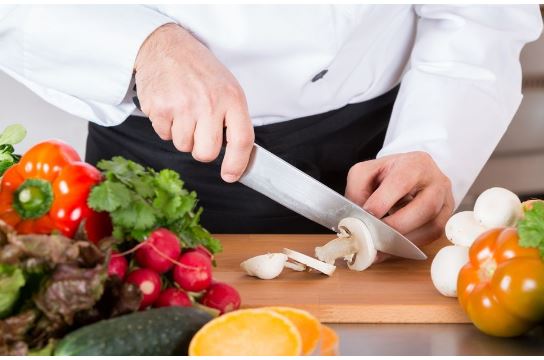
A vegetable chef is a culinary professional who focuses on creating delicious vegetable-based dishes and non-meat sides. You’ll usually find this role in larger or more traditional kitchens where different chefs specialize in different parts of the menu.
Vegetable chefs bring balance and creativity to the plate, especially as more diners look for plant-based and health-conscious choices. Their skills with fresh, seasonal ingredients and eye for beautiful presentation add a lot to the overall dining experience.
Duties and Responsibilities
The vegetable chef’s job goes beyond simply boiling or steaming vegetables. Here’s a look at what they do in a typical workday:
- Prepare and cook vegetables using a variety of techniques such as steaming, roasting, sautéing, blanching, and grilling.
- Create and plate vegetable-based side dishes that complement the main courses.
- Prepare vegetarian and vegan entrées, soups, legumes, grains, and egg-based dishes.
- Select, clean, and trim fresh produce, ensuring quality and freshness.
- Develop seasonal or daily vegetable menus in coordination with the executive or sous chef.
- Maintain proper food storage and handling for all produce and perishables.
- Monitor inventory levels of vegetables and dry goods, placing orders as needed.
- Ensure food safety and hygiene standards are met in preparation and cooking areas.
- Minimize waste through efficient use of ingredients and proper portioning.
- Collaborate with other kitchen stations to ensure smooth service and timely preparation.
- Train or supervise junior kitchen staff assigned to the vegetable section.
- Stay updated on culinary trends, especially in plant-based and health-conscious cuisine.
Different Types of Vegetable Chefs
In large or traditional French kitchens, there are different types of vegetable chefs, though in modern kitchens these roles are often combined and handled by one chef or shared among multiple cooks:
- Legumier – specializes exclusively in the preparation and cooking of vegetables; focuses on cleaning, cutting, and cooking fresh produce using various techniques to enhance flavor and texture
- Potager – responsible for making soups, stocks, consommés, and broths, often using advanced flavor layering techniques; frequently works closely with the legumier to create vegetable-based soups and purees
- Entremetier – a broader role that may encompass both the legumier and potager duties; in many modern kitchens, the entremetier is the sole vegetable chef responsible for all non-meat dishes, including vegetables, eggs, pasta, and grains
In addition to these primary roles, vegetable chefs may specialize further, especially in kitchens that emphasize plant-based cuisine or high-level culinary artistry. These specializations contribute unique value to restaurant menus or culinary teams:
- Vegetarian/Vegan Cuisine Specialist – focuses on creating entirely meat-free or animal-product-free dishes that are nutritionally balanced, flavorful, and innovative
- Farm-to-Table or Seasonal Produce Specialist – specializes in using fresh, local, and seasonal vegetables, often working closely with farmers or local markets to craft menus based on availability
- Grain and Legume Specialist – focuses on dishes featuring lentils, beans, quinoa, farro, and other plant-based proteins and grains
- Vegetable Carving and Presentation Artist – specializes in decorative preparation and plating of vegetables, often used in fine dining or banquet settings
- Health-Focused or Nutritional Chef – creates vegetable dishes tailored for specific dietary needs, such as low-sodium, diabetic-friendly, or anti-inflammatory diets
Workplace of a Vegetable Chef
Vegetable chefs can work for a wide range of food service establishments that prioritize high-quality or diverse menu offerings. These are among their most common employers:
- Fine Dining Restaurants – where dishes require detailed vegetable preparation, artistic plating, and seasonal menus
- Hotels and Resorts – especially those with multiple dining venues and banquet services
- Cruise ships and Luxury Liners – where diverse, global cuisine and specialized roles are common
- Catering Companies – particularly those that offer plant-based or gourmet menus for events
- Health and Wellness Centers – including spas, retreats, or hospitals that emphasize nutritious, plant-focused meals
- Vegetarian and Vegan Restaurants – where vegetable chefs are often central to the culinary team
- Private Households or Personal Chef Services – especially for clients with dietary restrictions or preferences for fresh, plant-based meals
- Educational Institutions and Corporate Cafeterias – especially those with a focus on health-conscious dining
Working as a vegetable chef means being part of a lively, fast-paced kitchen. Whether it’s in a fine dining restaurant, a hotel, or a catering business, the vegetable chef usually has their own station stocked with tools like cutting boards, pans, steamers, and ovens. Their workspace is often filled with fresh, colorful produce that needs to be cleaned, chopped, and cooked just right. It’s important to stay organized and pay close attention to detail, especially when things get busy during service.
In big kitchens that use the traditional brigade system, the vegetable chef often works alongside others—like the grill chef or saucier—to make sure everything comes together smoothly. In smaller or more flexible kitchens, the role can include preparing other items like grains, soups, or eggs too. It’s a fast-moving environment that calls for multitasking, creativity with seasonal ingredients, and a solid grasp of plant-based cooking. For chefs who love turning vegetables into beautiful and flavorful dishes, it’s a truly rewarding place to be.
How to become a Vegetable Chef
In addition to creativity and a passion for working with fresh, seasonal ingredients, the pathway to becoming a vegetable chef entails foundational culinary training complemented by progressive experience in commercial kitchens:
High School Diploma or Equivalent (GED)
This is the minimum requirement for most entry-level kitchen positions and culinary school admission.
Culinary Education (Recommended)
Many aspiring chefs enroll in a culinary arts program and, depending on the school, earn a diploma, certificate, or associate degree in the field. Foundational training covers essential cooking techniques, knife skills, kitchen safety, and food handling, and may include modules dedicated to nutrition and classical French cuisine. Programs often offer classes in vegetable and plant-based cooking.
Some institutions, like Rouxbe, the National Gourmet Institute, and the Institute of Culinary education, offer distinct diplomas in plant-based culinary arts.
Short-term courses in vegetarian or vegan cuisine, seasonal cooking, or farm-to-table practices can supplement your training and provide specialized knowledge.
While formal culinary training isn’t mandatory, it can improve your chances of advancement and help you stand out in competitive kitchens, especially those with a focus on plant-based cuisine or fine dining.
Obtain Entry-Level Kitchen Experience
Begin your career as a prep cook or line cook in a restaurant kitchen. This helps you develop knife skills, speed, and familiarity with vegetable-based cooking.
Specialize in the Vegetable Station (Entremetier)
As you gain experience, ask to work on or assist with the vegetable or side dish station. Learn from senior chefs how to prepare soups, grains, legumes, and a wide variety of vegetables using different methods.
Study Seasonal Produce and Plant-Based Cuisine
Learn about local and global vegetables, vegetarian/vegan recipes, and modern plating techniques. Staying current with food trends and sustainability practices adds value to your expertise.
Advance through Kitchen Ranks
With experience and proven skill, you can be promoted to a dedicated vegetable chef or entremetier position in larger kitchens. In smaller operations, you might take on the role as part of a broader position.
Consider Pursuing Certifications
Aspiring or working vegetable chefs can pursue culinary certifications that validate their skills and experience in professional kitchens, enhancing their credibility and improving their job prospects:
- Certified Sous Chef (CSC) – Offered by the American Culinary Federation (ACF), the largest and most recognized professional organization for chefs in the US, the CSC credential validates grilling among general cooking competencies.
- Certified Executive Chef (CEC) – Also offered by the ACF, the CEC designation demonstrates mastery of kitchen leadership and expertise in managing large kitchen teams and preparing high-quality dishes.
- Worldchefs Global Culinary Certifications – The Worldchefs certification program is a prestigious skills recognition framework designed for culinary professionals around the world. Created with leading employers, this framework provides validation of individuals’ culinary skills, knowledge, and experience against a global benchmark. Of the nine credentials offered by the organization, these are most relevant for vegetable chefs: Worldchefs Certified Commis Chef, Worldchefs Certified Chef de Partie, Worldchefs Certified Sous Chef, Worldchefs Certified Chef de Cuisine, Worldchefs Certified Executive Chef, Worldchefs Certified Master Chef.
- ServSafe Food Handler – Developed by the National Restaurant Association (NRA) and approved by the American National Standards Institute (ANSI) and the Conference for Food Protection, this ServSafe course/assessment does not have an official prerequisite. It may be completed by any individual seeking knowledge of basic safe food handling procedures.
- ServSafe Manager Certification – The ServSafe Manager exam focuses on food safety, sanitation, and hygiene standards. The credential is one of the most recognized in the restaurant industry. It ensures that candidates understand food safety regulations, which is critical for managing a restaurant’s kitchen and ensuring compliance with health codes.
- Allergen Awareness Certification – In the USA, food allergen awareness training is increasingly common, with some states requiring it for certain food service businesses and schools. Several organizations, like ServSafe, SafeCheck Learning, and Trust20, offer online allergen awareness courses and certifications. These courses often cover the basics of food allergies, how to prevent cross-contamination, and how to handle situations involving allergic reactions.
Professional Organizations
In addition to the certifying bodies referenced above in the Certifications section, the following organizations also support the chef community and the restaurant and foodservice industry at large:
- Plant-Based Foods Association (PBFA) – This organization supports businesses and professionals focused on plant-based foods, including chefs working in vegetarian or vegan culinary arts.
- International Association of Culinary Professionals (IACP) – This global network of culinary professionals, including chefs, food writers, and kitchen managers, provides access to professional development resources, conferences, and networking events.
- James Beard Foundation – This is an American non-profit culinary arts organization based in New York City. Named after James Beard, a food writer, teacher, and cookbook author, its programs include guest-chef dinners, scholarships for aspiring culinary students, educational conferences, and industry awards.
- Regional and Local Chef Societies – These organizations, based throughout the world, offer regional and local networking and educational opportunities, supporting both culinary professionals and students.
Skills Needed for a Vegetable Chef
A Vegetable Chef specializes in preparing vegetable-based dishes, salads, soups, side dishes, and plant-based meals. The role requires culinary knowledge, creativity, and good kitchen management skills.
Key Skills
- Vegetable Preparation – Ability to wash, peel, cut, chop, slice, dice, and prepare different vegetables correctly.
- Cooking Techniques – Knowledge of steaming, roasting, grilling, sautéing, frying, boiling, baking, and blanching.
- Knife Skills – Strong knife-handling skills for safe, precise, and efficient food preparation.
- Knowledge of Vegetables – Understanding the taste, texture, seasonality, nutritional value, and cooking requirements of different vegetables.
- Recipe Development – Ability to create attractive and flavorful vegetable dishes and plant-based recipes.
- Seasoning Skills – Knowing how to balance herbs, spices, sauces, salt, acidity, and other ingredients.
- Food Presentation – Ability to arrange and garnish vegetable dishes attractively.
- Creativity – Developing innovative dishes using different vegetables, herbs, grains, and plant-based ingredients.
- Food Safety and Hygiene – Following proper food handling, storage, sanitation, and kitchen safety practices.
- Time Management – Preparing multiple ingredients and dishes efficiently, especially during busy kitchen hours.
- Portion Control – Measuring ingredients and serving consistent portions while minimizing food waste.
- Kitchen Equipment Knowledge – Proper use of ovens, grills, mixers, food processors, steamers, and other kitchen equipment.
- Teamwork – Working effectively with chefs, kitchen assistants, servers, and other restaurant staff.
- Cost and Waste Management – Selecting ingredients carefully and reducing unnecessary vegetable and food waste.
- Communication Skills – Clearly understanding orders and communicating effectively with the kitchen team.
Vegetable Chef Salary
The salary of a Vegetable Chef depends on experience, culinary skills, workplace, location, and the type of restaurant or hotel.
Salary in India
- Entry-level: ₹1.8 lakh – ₹3 lakh per year
- Mid-level: ₹3 lakh – ₹5 lakh per year
- Experienced: ₹5 lakh – ₹8 lakh per year
- Senior/Specialist Chef: ₹8 lakh – ₹12 lakh+ per year
In luxury hotels, resorts, restaurants, and specialized vegetarian or plant-based kitchens, experienced chefs may earn higher salaries.
Monthly Salary
A Vegetable Chef in India may typically earn around ₹15,000 – ₹65,000+ per month, depending on experience and employer.











User's Comments
No comments there.