


Stories you may like
Songwriter
A songwriter creates songs by combining both music and lyrics to form a complete piece. They are responsible for crafting the melody (the tune) and the lyrics (the words) that make up a song. Songwriters work across a wide range of music genres, including pop, rock, country, jazz, and classical, and may write songs for themselves or for other artists. The process typically starts with an idea or emotion that the songwriter wants to express, which is then translated into music and lyrics.
Songwriters may work alone or collaborate with other musicians, producers, or lyricists. Some write songs specifically for other artists to perform, while others may perform their own compositions. The job requires creativity, musical skill, and a solid understanding of music theory, melody, and rhythm. Many songwriters find success in various industries such as music production, film, and advertising, where original songs are often in demand.
Duties and Responsibilities
The duties and responsibilities of a songwriter involve a combination of creative and technical tasks focused on writing music and lyrics. Here are some key responsibilities:
- Creating Music and Lyrics: A songwriter develops the melody (the musical tune) and writes lyrics that convey the desired emotion or message. This involves combining musical elements like rhythm, harmony, and melody with words that complement the composition.
- Collaborating with Others: Songwriters often collaborate with other musicians, producers, or lyricists to refine their ideas and create the final song. They may work closely with artists to ensure the song matches their style or vision.
- Revising and Editing: Songwriters frequently revise and refine their songs, adjusting the lyrics, melody, or structure until they achieve the desired result. This process might involve feedback from others in the industry, such as producers or band members.
- Demo Recording: Some songwriters record demos of their songs to present to potential performers, record labels, or producers. These demos help convey the song’s concept and feel before it is professionally produced.
- Adhering to Deadlines and Contracts: Songwriters often work under deadlines, especially when writing for specific projects like albums, films, or commercials. They also need to manage contracts, licensing agreements, and royalties if their songs are performed or recorded by others.
Types of Songwriters
There are several types of songwriters, each with different focuses and areas of expertise. Here are some common types:
- Lyricist: A lyricist specializes in writing the lyrics (words) of a song but does not necessarily compose the music. They work with composers or musicians to pair their words with melodies.
- Jingle Writer: Jingle writers specialize in creating short, catchy songs or jingles for advertisements, commercials, or brand promotions. They focus on crafting memorable tunes that promote products or services.
- Composer: A composer focuses mainly on creating the music or melody of a song, sometimes without writing the lyrics. They often work alongside lyricists or other collaborators to complete the song.
- Solo Songwriter: A solo songwriter writes both the music and lyrics for a song on their own. They typically create songs for themselves to perform or may write for other artists. These songwriters often have complete creative control over their work.
- Topline Writer: A topline writer focuses on creating the melody and lyrics for a song, often for electronic music, pop, or other genres. They typically work with producers or beatmakers to develop the "topline," which is the main vocal line of a track.
- Film/TV Songwriter: These songwriters create music specifically for movies, TV shows, or commercials. They write original songs that match the mood or themes of the visual content, often working closely with directors or producers.
- Staff Writer: Staff writers work for music publishing companies or record labels, writing songs on assignment for specific artists or projects. They are often expected to produce multiple songs within a set timeframe.
- Collaborative Songwriter: Collaborative songwriters work with other musicians, artists, or producers to co-write songs. They may contribute to both the music and lyrics or focus on one aspect of the songwriting process.
Workplace of a Songwriter
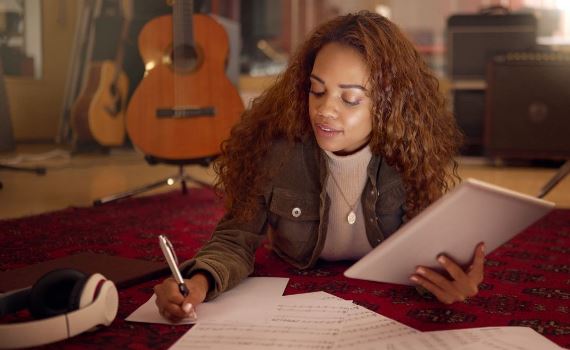
The workplace of a songwriter can vary depending on their personal preferences, the type of songwriting they do, and whether they work independently or in collaboration with others. Many songwriters work from home, setting up their own music studios with instruments, recording equipment, and software to compose and record their music. This environment allows for creativity and flexibility, giving songwriters the freedom to work at their own pace.
Songwriters who collaborate often work in professional studios or offices, sometimes meeting with other musicians, producers, or lyricists. These collaborative spaces are equipped with high-quality recording and production tools to help bring a song to life. Songwriters might also spend time in music production offices, working closely with record labels or agents to pitch songs to artists or handle the business side of their work, like licensing and royalties.
In addition to these spaces, songwriters may also travel for gigs, events, or songwriting retreats. They may attend workshops, music festivals, or industry conferences where they network with other professionals.
How to become a Songwriter
Becoming a songwriter requires a combination of musical talent, creativity, and dedication. Here are some steps to consider:
- Develop Your Musical Skills: Songwriters should learn how to play at least one instrument and gain a solid understanding of music theory. This helps in both composing melodies and understanding song structures. Many songwriters also study different genres and songwriting techniques to expand their creativity. Formal education, such as a Bachelor’s Degree in Music or a Bachelor’s Degree in Songwriting, can provide a strong foundation in music theory, composition, and performance. Some programs even offer specialized courses in songwriting, music production, and lyric writing.
- Build Your Songwriting Portfolio: Start writing original songs regularly to build a portfolio of your work. This can be done by composing music on your own or collaborating with other artists. Recording demos of your songs helps you showcase your abilities to potential clients, musicians, or producers. Workshops or short courses in songwriting can also help refine your skills and offer valuable feedback from experienced instructors.
- Network and Pitch Your Work: Attend music events, workshops, and songwriting groups to connect with other musicians and industry professionals. Networking is key to getting your songs heard by the right people. Once you have a collection of songs, pitch them to music publishers, record labels, or artists to find opportunities for exposure and royalties.
Skills Needed for a Songwriter
A Songwriter creates lyrics, melodies, and song concepts for music artists, films, albums, advertisements, and other media. Important skills include:
- Creative Writing – Ability to create original, meaningful, and engaging lyrics.
- Strong Command of Language – Good vocabulary, grammar, phrasing, and knowledge of poetic techniques.
- Understanding of Music – Basic knowledge of melody, harmony, rhythm, chords, and song structure.
- Poetry Skills – Ability to use rhyme, metaphor, imagery, symbolism, and wordplay effectively.
- Emotional Expression – Ability to communicate feelings, stories, and experiences through lyrics.
- Melody Creation – Skill in developing memorable and appropriate melodies.
- Rhythm and Timing – Understanding how words fit naturally with musical beats and rhythms.
- Storytelling – Ability to build characters, situations, narratives, and messages within songs.
- Listening Skills – Awareness of different musical genres, artists, songwriting styles, and current trends.
- Collaboration – Ability to work with singers, composers, producers, musicians, and music directors.
- Adaptability – Ability to write for different genres, audiences, themes, and musical projects.
- Revision Skills – Willingness to rewrite lyrics, modify melodies, and improve songs based on feedback.
- Performance Skills – Basic singing or instrumental ability can help communicate musical ideas to collaborators.
- Knowledge of Music Technology – Familiarity with digital audio workstations (DAWs), recording software, and songwriting tools is useful.
- Attention to Detail – Ability to maintain lyrical consistency, pronunciation, syllable patterns, and musical flow.
- Originality – Ability to develop a distinctive voice and avoid repetitive or overly familiar ideas.
- Persistence and Discipline – Regular writing practice and the ability to handle rejection and repeated revisions.
Salary of a Songwriter
A songwriter's salary varies widely based on experience, popularity, location, genre, and whether they work on a salaried, freelance, or royalty-based basis.
India
- Entry-level: ₹2–5 lakh per year
- Mid-level: ₹5–10 lakh per year
- Experienced: ₹10–25 lakh+ per year
- Established/popular songwriters: ₹25 lakh–₹1 crore+ per year in some cases
Songwriters may also earn through royalties, licensing, music publishing, film projects, streaming, and commissioned songwriting. Income can therefore fluctuate considerably from year to year.
International
- United States: around $40,000–$100,000+ per year for many professional roles, with successful songwriters potentially earning substantially more through royalties.
- United Kingdom: around £25,000–£60,000+ per year, depending on experience and work arrangements.
For freelance songwriters, payment may instead be negotiated per song, project, or contract, sometimes with additional royalty arrangements.











User's Comments
No comments there.