

Stories you may like
Youth Services Librarian
A youth services librarian specializes in providing library services and resources for children and young adults. This role is often found in public libraries, where youth services librarians help to foster a love of reading and learning among young library users. They curate collections of age-appropriate books, multimedia materials, and educational resources to cater to the diverse interests and developmental needs of children and teenagers.
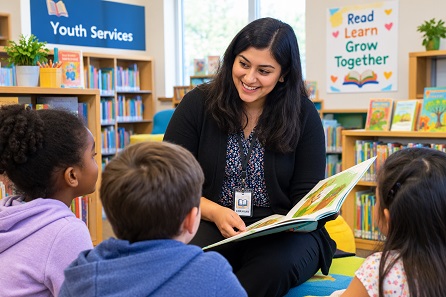
In addition to managing collections, youth services librarians design and implement a variety of programs and activities aimed at promoting literacy, creativity, and community engagement. They conduct storytimes, organize book clubs, and develop interactive workshops that encourage learning through play and exploration. Youth services librarians are adept at connecting with young patrons, providing reference assistance, and collaborating with schools and community organizations to enhance the library's impact on the educational and social development of children and teens.
Duties and Responsibilities
A youth services librarian has a diverse range of duties and responsibilities centered around providing library services and fostering a love of reading and learning among children and young adults. Here are key aspects of their role:
- Collection Development: Curate and maintain a diverse collection of children's and young adult books, multimedia materials, and educational resources that cater to various age groups and interests.
- Program Planning and Implementation: Design and execute engaging and age-appropriate programs and activities, such as storytimes, book clubs, craft sessions, and educational workshops, to promote literacy, creativity, and community engagement.
- Reference and Reader's Advisory: Provide reference services to young patrons, assisting them in locating and selecting books and resources for both leisure and educational purposes. Offer reader's advisory to guide children and teens in discovering materials suited to their interests and reading levels.
- Collaboration with Schools: Collaborate with local schools to support literacy initiatives, participate in outreach programs, and coordinate library services that align with school curricula. This may involve visits to schools or hosting school groups in the library.
- Technology Integration: Stay abreast of educational technologies and incorporate digital resources into youth programs. Provide guidance on digital literacy skills and promote the use of technology for educational purposes.
- Community Engagement: Actively engage with the community by organizing and participating in events that connect the library with families, caregivers, and community organizations. This may include involvement in local fairs, festivals, and other community activities.
- Summer Reading Programs: Organize and coordinate summer reading programs to encourage children and teens to continue reading during the summer break. This often involves setting reading goals, providing incentives, and hosting related events.
- Library Outreach: Conduct outreach to underserved populations, ensuring that library services reach all members of the community. This may involve collaborating with community organizations and attending local events.
- Information Literacy: Introduce and reinforce basic information literacy skills among young library users, teaching them how to navigate library resources, evaluate information, and use digital tools effectively.
- Advocacy for Youth Services: Advocate for the importance of youth services within the library and the broader community. Communicate the value of libraries in supporting children's literacy and lifelong learning.
- Professional Development: Stay informed about trends and developments in youth services librarianship through professional development opportunities, workshops, and participation in library conferences and associations.
Types of Youth Services Librarians
Youth services librarians often specialize in different areas to effectively serve the diverse needs and interests of children and young adults. Here are some common types of youth services librarians:
- Community Librarian: Engages with the community, including families, caregivers, and local organizations, to promote library services. They may organize community events, participate in fairs, and collaborate with community partners to reach underserved populations.
- Teen Librarian or Young Adult Librarian: Focuses on serving the informational and recreational needs of teenagers and young adults. They curate collections of young adult literature, organize teen book clubs, and develop programs that cater to the interests of adolescents.
- Early Literacy Librarian: Concentrates on promoting early literacy skills in young children, often working with parents and caregivers to facilitate early childhood development through library programs and resources.
- School Outreach Librarian: Collaborates with local schools to extend library services to students. This may involve organizing book talks, providing library orientations, and coordinating library activities that support school curricula.
- Digital Services Librarian for Youth: Specializes in managing and promoting digital resources and technology for children and young adults. They may oversee digital collections, organize coding workshops, and ensure the integration of technology into youth programs.
- Storytime Specialist: Focuses on creating and delivering engaging storytimes for different age groups. Storytime specialists often have expertise in early childhood development and use storytelling techniques to enhance language and literacy skills in young children.
- STEM or STEAM Librarian for Youth: Specializes in promoting science, technology, engineering, arts, and mathematics (STEM/STEAM) education for children and teens. They organize STEM-related programs, workshops, and activities to foster interest in these fields.
- Multicultural Services Librarian for Youth: Focuses on providing library services that celebrate and reflect the diversity of the community. They may curate collections representing various cultures, organize multicultural events, and collaborate with community groups.
- Special Needs Services Librarian for Youth: Specializes in providing library services and resources for children and teens with special needs. They may adapt programs and collections to accommodate diverse abilities and work closely with educators and support organizations.
- Bilingual or Multilingual Youth Librarian: Specializes in serving youth in communities where multiple languages are spoken. Bilingual youth librarians may offer programs, collections, and resources in multiple languages to ensure inclusivity.
Workplace of a Youth Services Librarian
The workplace of a youth services librarian is typically centered within the youth or children's department of a public library. This dynamic and vibrant space is specifically designed to cater to the needs and interests of children and young adults. The physical environment often features colorful and inviting decor, age-appropriate furnishings, and dedicated areas for storytelling, reading, and interactive activities. The goal is to create a welcoming and engaging atmosphere that encourages children and teens to explore the world of literature, learning, and creativity.
A significant portion of the youth services librarian's work takes place in public service areas, where they interact directly with young patrons and their caregivers. This involves providing reference assistance, offering reading recommendations, and facilitating library programs such as storytimes, book clubs, and educational workshops. The workplace is characterized by a lively and interactive energy, especially during scheduled programs and events that aim to foster a love of reading and promote essential literacy skills.
Additionally, youth services librarians may collaborate with local schools and community organizations, extending their reach beyond the library walls to ensure that library services effectively meet the needs of diverse youth populations.
How to become a Youth Services Librarian
Becoming a youth services librarian involves a combination of education, practical experience, and professional development. Here's a guide on how to pursue a career as a youth services librarian:
- Obtain a Bachelor's Degree: While there is no specific undergraduate major required, choosing a field related to library science, education, child development, or a related discipline can be beneficial.
- Earn a Master's Degree: Most youth services librarian positions require a Master's Degree in Library Science (MLS) or Library and Information Science (MLIS) from an American Library Association (ALA)-accredited program. Some programs may offer specializations in youth services.
- Gain Practical Experience: Seek internships or volunteer positions in libraries, especially those with a focus on youth services. This hands-on experience will provide valuable insights into working with children and young adults in a library setting.
- Build Relevant Skills: Youth services librarians need excellent communication skills to interact effectively with children, teens, and their caregivers. Gain experience in planning and implementing library programs, storytimes, and events for children and young adults.
- Obtain Professional Certification: While not always required, obtaining professional certification, such as the Public Library Professional Certification (PLPC) offered by the American Library Association, can enhance your credentials.
- Networking: Join professional organizations such as the American Library Association (ALA) and the Association for Library Service to Children (ALSC). Attend conferences, workshops, and networking events to connect with professionals in youth services librarianship.
- Apply for Entry-Level Positions: Look for entry-level positions in libraries, with a focus on youth services. These roles might include library assistant or associate positions, providing you with practical experience and exposure to the daily operations of a youth services department.
- Pursue Specializations: Consider specializing in a particular area within youth services, such as early literacy, teen services, or multicultural programming. Specializations can enhance your expertise and make you more competitive in the job market.
- Create a Portfolio: Develop a portfolio showcasing your relevant skills, experiences, and any programming or outreach initiatives you've led. This can be a valuable tool when applying for youth services librarian positions.
- Apply for Youth Services Librarian Positions: Once you have gained the necessary education and experience, actively search and apply for youth services librarian positions in public libraries or other institutions serving children and young adults.
- Prepare for Interviews: Be prepared to discuss your passion for working with youth, your programming ideas, and your understanding of the importance of libraries in the educational and cultural development of young people.
Helpful Resources
Youth services librarians can benefit from a variety of resources to support their professional development, stay informed about industry trends, and enhance their services for children and young adults. Here are some helpful resources:
- American Library Association (ALA): ALA provides a wealth of resources, including publications, conferences, and professional development opportunities. The Association for Library Service to Children (ALSC), a division of ALA, is specifically focused on services for children.
- Association for Library Service to Children (ALSC): ALSC offers resources, publications, and professional development opportunities for librarians serving children and young adults. They provide guidelines, book lists, and toolkits for various aspects of youth services.
- LibraryLinkNJ - Youth Services Section: LibraryLinkNJ offers resources and professional development opportunities for youth services librarians in New Jersey. While specific to New Jersey, many of their resources are applicable to librarians nationwide.
- Storytime Underground: A collaborative community that provides resources, ideas, and support for librarians who conduct storytimes for children. It includes a blog, forums, and a wealth of practical information.
- Booklist: Published by the American Library Association, Booklist offers reviews and recommendations for a wide range of books, including those suitable for youth collections.
- School Library Journal (SLJ): SLJ offers reviews, articles, and resources for librarians serving youth, including school librarians. It covers trends in children's and young adult literature.
- Programming Librarian: A resource from ALA that provides ideas, tools, and resources for planning and implementing library programs, including those for children and teens.
- Association for Library Service to Teens (YALSA): YALSA is a division of ALA focused on library services to teens. It offers resources, publications, and professional development opportunities for librarians serving young adults.
- Reading Rockets: A national multimedia project that offers research-based resources to help educators and parents support children's literacy development.
- Storyblocks: A project by Colorado Libraries for Early Literacy (CLEL), Storyblocks provides videos demonstrating early literacy skills and activities for children.
- Jbrary: Jbrary is a YouTube channel and website dedicated to promoting early literacy through songs, rhymes, and fingerplays. It's a valuable resource for storytime planning.
Skills Needed for a Youth Services Librarian
A Youth Services Librarian works with children and teenagers, helping them access books, educational resources, technology, and engaging library programs.
1. Communication Skills
- Communicating clearly with children, teenagers, parents, and teachers
- Listening to young people's needs and interests
- Explaining information in an age-appropriate way
2. Knowledge of Children's and Young Adult Literature
- Familiarity with children's books and young adult fiction
- Staying updated on new publications and popular reading trends
- Recommending age-appropriate books and resources
3. Program Development
- Planning reading clubs, storytelling sessions, workshops, and educational activities
- Organizing summer reading and holiday programs
- Creating activities that encourage creativity and learning
4. Child and Teen Engagement
- Building positive relationships with young library users
- Encouraging reluctant readers
- Creating an inclusive and welcoming environment
5. Information & Research Skills
- Helping young users find reliable information
- Teaching basic research and information-literacy skills
- Evaluating online sources and digital content
6. Technology Skills
- Using library management systems and digital databases
- Supporting children and teens with computers and educational technology
- Familiarity with e-books, audiobooks, and online learning resources
7. Creativity
- Designing engaging library displays and activities
- Developing interactive storytelling and educational programs
- Finding innovative ways to promote reading
8. Classroom & Teaching Skills
- Conducting library orientation sessions
- Teaching research, reading, and digital-literacy skills
- Collaborating with schools and educators
9. Organization Skills
- Managing children's and young adult collections
- Scheduling programs and events
- Maintaining records, budgets, and program materials
10. Teamwork & Collaboration
- Working with teachers, parents, community organizations, and other librarians
- Coordinating community events and educational initiatives
- Sharing resources and ideas with library staff
11. Cultural Awareness & Inclusivity
- Selecting resources representing diverse cultures and experiences
- Supporting children with different abilities and backgrounds
- Creating programs that are accessible and inclusive
12. Patience & Adaptability
- Remaining patient when working with different age groups
- Handling challenging situations professionally
- Adapting programs to changing interests, technologies, and community needs
13. Leadership Skills
- Taking responsibility for youth programs and initiatives
- Guiding volunteers or library assistants
- Managing events and community projects effectively.
Salary of a Youth Services Librarian
The salary of a Youth Services Librarian varies by country, experience, education, location, and type of library.
United States
As of 2026, reported U.S. salaries include:
- Average: about $58,758–$67,441 per year
- Typical range: approximately $46,500–$74,500 per year
- Hourly: around $28–$32 per hour
- Experienced/senior positions: can exceed $80,000 per year in some locations.
Actual job postings show considerable variation. For example, South Pasadena, California listed a Youth Services Librarian at $75,660–$91,956 annually, while a Forsyth County, North Carolina position listed $45,115–$51,870 annually.
Factors affecting salary
- Years of library experience
- MLIS/MLS or equivalent qualification
- Public vs. academic library
- Location and cost of living
- Library system size
- Youth programming and community-outreach responsibilities
- Supervisory responsibilities











User's Comments
No comments there.